
News
How Barbara Benjamin Met Robert Duvall?

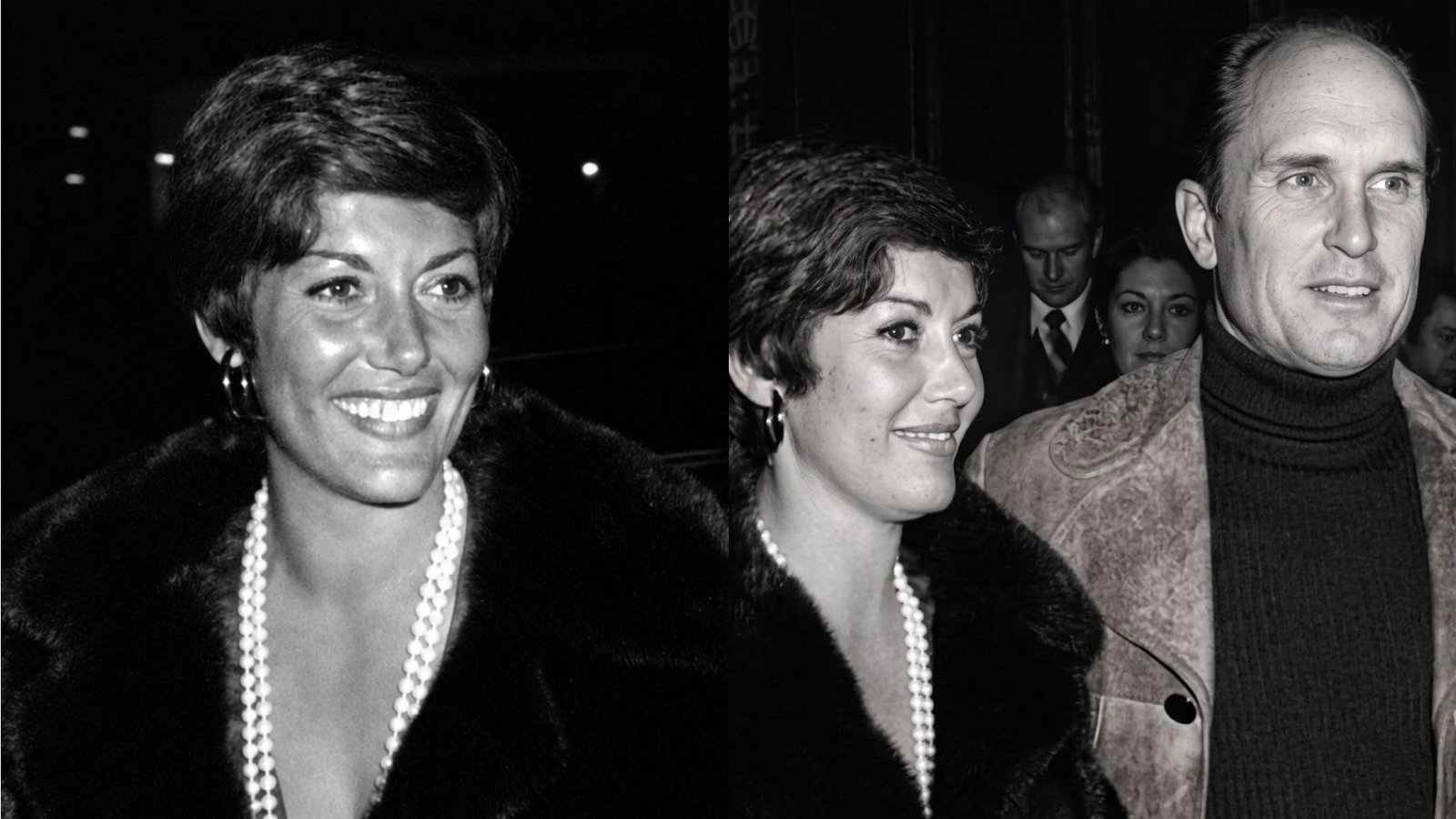
A film set brought two working actors together in 1962. Barbara met Robert Duvall during the making of To Kill a Mockingbird. He played Arthur “Boo” Radley in the film.
Duvall had only a short time on screen. Yet his quiet role made a deep mark. The film helped turn him into a known actor. It also became an important point in Barbara’s personal life.
She already knew the demands of show business. Her work as a model and dancer gave them common ground. Both had dealt with auditions, long days, and uncertain jobs.
Their first meeting was not a grand public event. No trusted account gives a full romantic story. The clear fact is that the film brought them together. Their bond grew after production ended.
Duvall was still building his career at the time. He had stage experience but little film fame. Barbara had more years of screen and modeling work behind her. Their lives soon began to move in the same direction.
Barbara Benjamin Marries Robert Duvall
The couple married in 1964, about two years after meeting. Their wedding did not become a major press event. Duvall had not yet reached the level of fame he later enjoyed.
Their marriage lasted for more than a decade. The pair remained husband and wife from 1964 to 1975. Those years covered a major rise in Duvall’s acting career.
Barbara knew the strain that came with film work. Actors could spend weeks away from home. They also faced long gaps between jobs. A stable family life could be hard to keep.
Duvall took roles in film and television during the 1960s. He appeared in The Twilight Zone and The Outer Limits. He also worked in films such as Bullitt and True Grit.
As his work grew, public attention followed. Barbara did not seek the same level of fame. She had her own past in entertainment, but she kept much of her married life private.
Barbara Benjamin Raised Two Daughters
Barbara had married David Horne before she met Duvall. That marriage began in 1955. The couple had two daughters, Nancy and Suzan.
The girls were part of Barbara’s life when she married again. Duvall became their stepfather. Reports state that he helped raise them during the marriage.
This family detail often gets lost in short profiles. The couple had no children together. Yet their home still included the daily work of raising two young people.
Barbara had to balance several parts of life. She was a mother, former model, and working performer. She also became the wife of an actor whose career kept growing.
Reliable reports give little detail about Nancy and Suzan. Their adult lives have stayed outside the public eye. That privacy should be respected.
Duvall also had no birth children in his later marriages. Barbara’s daughters were his closest known experience of family life with children. Their names remain part of the couple’s shared history.
Barbara Benjamin During Duvall’s Rise
The late 1960s brought larger roles for her husband. He worked beside some of Hollywood’s biggest names. His style was quiet, direct, and often intense.
Then came The Godfather in 1972. Duvall played Tom Hagen, the calm lawyer for the Corleone family. The role earned him an Academy Award nomination.
Barbara was married to him during that key period. She saw his career move from supporting work to global fame. Their private home life, though, stayed mostly out of magazines.
Duvall followed the film with The Conversation in 1974. He also appeared in The Godfather Part II that year. His name had become tied to serious American cinema.
Yet fame can change the pace of a marriage. Travel, press calls, and film shoots take time. The couple faced those demands for several years.
No sound public record gives one clear cause for their split. It would be unfair to invent one. Their marriage ended in 1975 after about eleven years.
Divorce Opened a Quieter New Chapter
The divorce did not lead to a loud public fight. There are no well-known reports of bitter court claims. Both former partners moved on with their lives.
Duvall continued acting and later married three more times. His next marriage was to actress Gail Youngs. He later wed dancer Sharon Brophy and then Luciana Pedraza.
Barbara took a far less public path. She stepped away from the fame around her former husband. Her life no longer appeared often in entertainment news.
That choice helped protect her family. It also makes her later years harder to trace. Public silence does not mean that nothing happened. It only means she did not sell each change as a story.
Her early credits remained part of film history. She had worked with major stars and on a top television show. Still, she did not spend later life chasing old fame.
The gap between their public lives became wide. Duvall stayed before cameras for many years. His former wife chose work and causes that drew a smaller spotlight.
Barbara Benjamin Finds Love Again
She later married Frederick Marcus. After that marriage, she became known as Barbara Benjamin Marcus. Some records also list her simply as Barbara Marcus.
Little verified information exists about their wedding. Public reports do not give a firm date. They also share few facts about Marcus or his work.
The lack of detail fits her later life. She kept her home and family matters away from the press. Her earlier link to Hollywood did not control every choice she made.
Reports connect her later years with Key West. The Florida island has long drawn artists and writers. Its small streets and relaxed pace differ greatly from Hollywood.
She also spent time in New York, where she had begun. That city remained tied to her work and social interests. Her later book focused on people from its gay and drag communities.
No verified figure exists for her personal net worth. Old film roles and modeling jobs do not show her full finances. Any exact claim would be guesswork, so none should be treated as fact.
Barbara Benjamin Writes Inside Out
Her later work showed a clear social interest. She became a supporter of gay rights. That cause gained more public notice during her years in New York.
Barbara spent time with drag performers and learned their stories. She did not treat them as strange figures. She focused on their work, fears, humor, and daily lives.
She later published Inside Out, a book based on that world. Records differ on whether it first appeared in 2008 or 2010. The work is often listed under her married name.
The book marked a sharp change from her early image. The young pageant winner had once helped sell a polished ideal. Decades later, she used her voice to show lives that society often pushed aside.
This work also gave her a role beyond celebrity marriage. She became a writer and an ally. Her interest felt personal, not built for film publicity.
And that may be the most human part of her story. She changed with the times. She listened to people outside her own past and helped share their lives.
Final Thoughts
Barbara Benjamin died on September 18, 2019, at age 83. Public sources disagree about whether she died in New York or Los Angeles. No clear and trusted report gives a cause of death.
Her life held more than one public identity. She was a model during New York’s 1950s fashion age. She danced on television and worked on a major movie.
Marriage later placed her beside one of America’s best actors. Yet she had earned screen credits before that relationship began. She also remained a mother throughout those changing years.
Her later work showed another side. She supported gay rights and wrote about drag performers. That choice had little to do with old Hollywood fame.
Many details of her life remain private. That can feel odd in an age of constant updates. But her record still holds clear moments, from a 1953 crown to a book written many decades later.
Who was Barbara Benjamin?
She was an American model, dancer, announcer, actress, and writer. Many people know her as Robert Duvall’s first wife. She also worked on The Jackie Gleason Show and appeared in several films.
How did she meet Robert Duvall?
The pair met during the making of To Kill a Mockingbird in 1962. Duvall played Boo Radley in the film. They formed a relationship after meeting on the production and married in 1964.
Did she and Robert Duvall have children?
They had no children together. She had two daughters, Nancy and Suzan, from her first marriage to David Horne. Duvall helped raise both girls while he was married to their mother.
Why did Barbara Benjamin and Robert Duvall divorce?
No reliable public source gives one clear reason for their divorce. Their marriage ended in 1975 after about eleven years. Both later remarried and followed separate paths.
When did Barbara Benjamin die?
She died on September 18, 2019, at age 83. Published records disagree about her place of death. A confirmed cause of death has not been widely released.

Trevor Wakefield grew up close to one of the most loved names in Boston baseball. His father, Tim Wakefield, spent 17 seasons with the Boston Red Sox. Fans knew Tim for his rare knuckleball. They also loved his calm nature and his care for people. Trevor saw a side of him that fans did not see each day. To Trevor, the famous pitcher was first a father.
Trevor has kept most of his own life private. He has not tried to turn his family name into fame. Yet he has stood before the public at a few key times. His most moving appearance came at Fenway Park in April 2024. He and his sister, Brianna Wakefield, helped honor their parents and the Red Sox team that won the 2004 World Series.
His story is not a common star story. It is about family, loss, love, and service. It is also about carrying a famous name with care. This biography looks at the facts that are public. It covers his early family life, his bond with the Red Sox, the loss of his parents, and the quiet way he helps keep their values alive.
Who Is Trevor Wakefield?
Trevor Wakefield is the son of former baseball pitcher Tim Wakefield and his wife, Stacy Wakefield. He was born in 2004. He is the older of their two children. His younger sister, Brianna, was born in 2005. The family spent much of its life tied to both Massachusetts and Florida.
Trevor became known to many baseball fans because of his father. Still, he has not built a public career around that link. News stories tend to mention him during events that honor Tim and Stacy. He rarely speaks in the press. He also keeps his daily life away from wide public view.
That choice helps explain why only a small set of facts about him is known. It is fair to tell his story through those facts. It is not fair to fill the gaps with guesses. What the public can see is a young man who values family, privacy, and service. His actions at Fenway have shown all three.
Growing Up in the Wakefield Family
Tim and Stacy married on November 9, 2002. Trevor arrived in 2004, while his father was still an active player. This placed his early years inside a busy baseball life. The Red Sox played long seasons and took many road trips. Tim still made family a clear part of his life.
The year of Trevor’s birth also became one of the greatest years in Red Sox history. Boston won the 2004 World Series and ended an 86 year wait for a title. Trevor was too young to recall that run. Even so, the win became part of his family story from the start.
His home life had links to fame, but his parents guarded it. They shared very little about their children’s normal days. That limit gave Trevor and Brianna room to grow without constant news coverage. It also showed that Tim and Stacy placed their roles as parents above the public wish to know more.
The Rare Pitch That Made His Father Famous
Tim Wakefield did not begin pro baseball as a pitcher. The Pittsburgh Pirates picked him as a first baseman in the 1988 draft. A scout later told him that his path as a hitter looked short. Tim then turned to the knuckleball and built a new path.
The pitch moves with little spin. It can dip, float, or turn in ways that are hard to guess. Catchers can struggle with it as much as hitters do. Tim learned to trust that strange motion. His choice saved his career and made him stand out for years.
For Trevor, the knuckleball was more than a sports fact. It was part of his father’s life lesson. Tim faced a closed door, changed his plan, and kept working. He did not let one hard view decide his future. That simple lesson has value far beyond a baseball field.
Tim Wakefield’s Long Red Sox Career
Tim joined Boston in 1995 after his time with Pittsburgh ended. He soon became a steady part of the club. He stayed with the Red Sox through the 2011 season. His 17 years with one team made him a known face to more than one group of Boston fans.
He won 200 games during his major league career. He earned 186 of those wins with Boston. He also set a Red Sox mark for innings pitched. These numbers show skill, but they also show trust. A team does not keep giving the ball to a pitcher for that long without strong faith in him.
Tim helped Boston win the World Series in both 2004 and 2007. He also became an American League All Star in 2009. He retired in 2012 at age 45. By then, Trevor had spent his whole early childhood watching his father serve one club in many roles.
A Family Linked to Boston Baseball
The Wakefield name became part of Red Sox life through more than game results. Tim stayed close to the team after he stopped playing. In 2013, he became an honorary chair for the Red Sox Foundation. He took part in events, visits, and work that helped people across the area.
Stacy also gave her time to others. She joined Tim in family and charity work. Friends later spoke of her kind and caring nature. She did not seek the same public notice as her husband. Still, her role in the family’s work was real and steady.
Trevor and Brianna grew up around that mix of baseball and giving. The park was a place where their father worked, but it was also a place tied to care. Years later, Trevor would return to Fenway in a role that raised money for the same foundation his father served.
Service at the Heart of the Wakefield Name
Tim did not treat charity as a small side job. He worked with groups that helped sick children and families in need. He gave time to the Jimmy Fund and the Dana Farber Cancer Institute. He also helped children through other groups in New England and Florida.
His work earned the Roberto Clemente Award in 2010. Major League Baseball gives that award to a player who shows strong play, good character, and care for the community. Tim had been Boston’s choice for the award several times before he won it. The honor fit the way people saw him.
That record forms a key part of Trevor Wakefield’s family background. His father’s name did not stand only for a slow, dancing pitch. It stood for visits, fund drives, and help. His mother shared the same kind of care. This gave both children a clear model of what public service can look like.
Trevor Wakefield and His Sister Brianna
Trevor and Brianna are close in age. He was born in 2004, and she followed in 2005. They shared a childhood shaped by the same loving parents and the same link to Red Sox life. They also faced deep loss together as young adults.
The two have appeared side by side at major family tributes. That shared presence matters. It shows them as a family unit without asking either one to speak about private pain. At Fenway, they could honor their parents together while trusted friends stood close.
Brianna has taken part in a few more public acts of honor. Trevor tends to stay farther from the camera. Their paths do not need to look the same. Each can keep the Wakefield spirit alive in a personal way. What joins them is the care shown by the large baseball family around them.
Losing Tim Wakefield in 2023
Tim Wakefield died on October 1, 2023. He was 57. His death came after a battle with brain cancer. The news brought grief across Boston, Florida, and the wider baseball world. Former teammates spoke of a kind friend as much as they spoke of a great pitcher.
The time before his death also raised a serious issue about privacy. A former teammate shared private health news without the family’s approval. The Red Sox then asked people to respect the Wakefields’ wish for privacy. That wish should still guide the way Trevor’s story is told.
For Trevor, this was not mainly the loss of a baseball hero. It was the loss of his father. Public praise could not remove that pain. Yet the warm words did show how many lives Tim had touched. They also showed how wide the family’s support circle had become.
Losing Stacy Wakefield in 2024
Less than five months after Tim died, the family shared more painful news. Stacy Wakefield died at her home in Massachusetts on February 28, 2024. She was surrounded by family, friends, and members of her care team. The family called the loss hard to imagine.
Stacy was a mother, wife, daughter, sister, niece, and aunt. Public reports often name her as Tim’s wife, but her place in her children’s lives was much deeper. Trevor and Brianna lost both parents in a very short span. They were still at the start of adult life.
The family asked for peace and privacy as it grieved. That request is central to any fair account of Trevor Wakefield. Interest from fans is natural, but grief does not make every detail public. Respect means staying with confirmed facts and allowing space for life outside the news.
The Moving Fenway Park Tribute
On April 9, 2024, Trevor and Brianna returned to Fenway for the Red Sox home opener. The club also marked 20 years since the 2004 World Series win. Many members of that title team came back. The day became a tribute to Tim and Stacy as well.
The siblings led the 2004 team onto the field. They carried and raised the World Series trophy in front of the crowd. Brianna then threw the first pitch to Jason Varitek, her father’s old catcher and close friend. Trevor stayed beside her through the event.
The scene joined many parts of their family story. The trophy marked their father’s work. The old teammates showed lasting friendship. The crowd showed love for both parents. Trevor did not need to give a long speech. His presence helped make the meaning of the day clear.
Support From Tim Wakefield’s Teammates
Tim’s old teammates did more than attend one ceremony. Several made it clear that Trevor and Brianna were still part of their lives. Pedro Martinez said the former players would act like close uncles. His words showed that the bond from the 2004 club had not ended.
Jason Varitek and his wife, Catherine, also stayed close to the Wakefield children. Jason had caught Tim’s hard to read knuckleball for years. Their bond grew beyond baseball, and the families lived near each other. After Tim and Stacy died, that old friendship became a source of care.
This support gives a deeper meaning to the word team. Players can leave a club, and seasons can fade into history. Yet true bonds can stay. For Trevor Wakefield, his father’s baseball circle became part of the family network around him during a very hard time.
Trevor’s Work at Fenway Park
In 2025, a public report shared a new detail about Trevor. He was working at Fenway Park and selling 50/50 raffle tickets. The raffle supports the Red Sox Foundation. Half of the money goes to a winner, while the other half helps the foundation carry out its work.
The job linked Trevor to both his parents in a simple and real way. Tim served as an honorary chair of the foundation after retirement. Tim and Stacy had also spent years helping children and families. Trevor’s work at the park placed him inside that same culture of giving.
It was not a loud act or a grand title. He met fans and helped raise funds one ticket at a time. That quiet form of service suits what the public knows about him. It also shows that a family legacy can live through daily work, not only through big public events.
Does Trevor Wakefield Play Baseball?
There is no sound public record that shows Trevor has followed his father into pro baseball. He should not be mixed up with other athletes who share his name. Search results can bring up several people named Trevor Wakefield, but they are not all Tim Wakefield’s son.
That point is important because famous parents often lead to easy guesses. A reader may assume that a pitcher’s son also wants to pitch. Yet family ties do not set a career path. Trevor has the right to form his own goals and keep them private if he chooses.
His confirmed work at Fenway came through the foundation raffle, not through a place on the field. That role still kept him near baseball. It let him serve the community without trying to copy his father’s career. There is strength in honoring a parent while building a life of one’s own.
Why Trevor Keeps a Private Life
Trevor Wakefield does not often give interviews or share personal news with the wider public. This is not unusual for the child of a famous person. He did not choose his father’s fame. Privacy lets him decide which parts of his life belong to fans and which stay with family.
His parents also set that pattern. Tim was open about baseball and charity, but the couple kept their children’s daily lives out of the news. Even during great pain, they asked for private health matters to stay private. Those choices deserve care long after their deaths.
A private life should not be treated like a blank page that others can fill. Claims about Trevor’s school, work, love life, or money need clear proof before they belong in a biography. The known facts already tell a worthy story. He is a son and brother who has faced loss with quiet grace.
How Trevor Honors His Parents
Trevor has honored Tim and Stacy through presence and service. He stood with Brianna at the 2024 Fenway tribute. He walked beside men who had shared the field with his father. He helped lift the trophy tied to the year of his own birth.
His 2025 work for the Red Sox Foundation added another step. The job supported the type of community care that mattered to both parents. It did not ask him to be a pitcher or a public star. It allowed him to help in a way that felt direct and grounded.
Honor can take many forms. Some people speak before a crowd. Others give time, keep family customs, or show up when a cause needs help. Trevor’s public acts have been few, but they carry weight. They link memory with useful work for people in the present.
Trevor Wakefield Today
Trevor entered his early twenties with a famous family name and a close bond to Red Sox history. His latest clear public role placed him at Fenway in 2025, where he helped the Red Sox Foundation through its raffle. That work gave fans a chance to see him support a cause his father loved.
He has not made broad public claims about his future plans. There is no need to guess. His life may grow in a direction tied to service, baseball, or a field far from both. The choice belongs to him, and time will show only what he wishes to make public.
What is clear now is his steady link to family. He has stood with Brianna, honored Tim and Stacy, and accepted care from the Red Sox family. Those acts form the honest heart of his story. They speak of love, duty, and strength without turning private grief into a show.
Final Thoughts on Trevor Wakefield
Trevor Wakefield is best known as Tim Wakefield’s son, but that phrase is only the start. He is also Stacy’s son and Brianna’s older brother. He belongs to a family remembered for kindness as much as baseball. His public life shows a calm wish to protect that bond.
He faced the deaths of both parents within five months. Soon after, he walked onto Fenway with his sister and the 2004 champions. The moment held grief, pride, and love at once. A year later, his raffle work at the park turned memory into direct help for the community.
Trevor has not chased the bright light that came with his father’s name. He has chosen a quieter path, at least in public. That choice makes his story feel true to the Wakefield values. His next steps remain his own, while the care around him shows that Red Sox Nation has not forgotten the family.
The public facts remain limited, yet the pattern is clear. Trevor meets a hard family story with quiet action. He protects his own space, stays close to his sister, and gives time to work that reflects the care his parents showed others.

Nerwey is a modern term that has started to appear across digital, business, branding, and lifestyle spaces. It does not have one fixed dictionary meaning. Instead, people may use the name in different ways based on the setting. That open meaning gives the term room to grow and change.
The name can work as a digital identity, brand name, creative concept, or online publishing identity. Its short form also makes it easy to notice. For businesses and creators, this can be useful when they want a name that does not already carry a strict meaning.
Interest in the term has grown as more people search for fresh names online. New businesses need domain names. Creators need usernames. Digital projects need identities that people can remember. This article explains what the term means, how it is being used, and why its flexible nature may support many forms of digital branding.
What Is Nerwey?
Nerwey is best understood as a flexible modern name rather than a traditional English word. There is no widely accepted dictionary definition that gives it one clear meaning. The meaning can therefore depend on where and how someone uses the term.
In one setting, it may act as the name of an online platform. In another, it can serve as a brand identity. A creator may also use a name like this for a digital project, social account, product, or content site. This makes the term broad rather than limited.
That difference matters. A normal dictionary word already carries ideas and meanings. A newer name starts with much less baggage. A business or creator can shape the identity around its own work, values, design, audience, and goals.
This does not mean every suggested definition found online is correct. Some pages may give the name a symbolic or business meaning without firm proof. Readers should separate creative interpretations from facts that can be checked.
Why Is Nerwey Getting Attention Online?
The internet has made original names much more valuable. Millions of websites, apps, stores, social accounts, and brands now compete for attention. Common words are often already connected to established businesses or web addresses.
A fresh name offers another option. It can help a project avoid looking too similar to hundreds of other sites. It can also give creators more freedom when they develop a logo, visual style, voice, and message.
Search behavior plays a role as well. When people see an unfamiliar term, they often search for its meaning. This creates more interest around the word. Some readers want to know whether it is a brand, website, product, concept, or spelling variation.
However, online attention should not be confused with a proven history. A rise in search results does not prove that a word has one official definition. Its current value comes largely from its flexible use and growing digital visibility.
Understanding the Meaning Behind the Name
There is no verified single origin that fully explains the meaning of Nerwey. That makes it different from a word that has a known language root or a long record of use.
Instead, its meaning can develop through context. Imagine a new company choosing an original name. At first, that name may mean very little to the public. Over time, its products, customer service, design, and marketing give the name an identity.
The same process can happen with an online term. Readers may slowly connect it with certain topics based on the websites, articles, accounts, or brands that use it. Meaning develops through repeated use.
This is common in digital culture. Many modern brand names began as unusual words or created terms. What matters most is not whether a name started in a dictionary. What matters is whether users can recognize it and connect it with a clear purpose.
Nerwey as a Digital Identity
A digital identity is the way a person, project, company, or organization presents itself online. The name is often the first part of that identity.
An original word can be useful because it gives the owner more control over how people understand it. A common name may already have many meanings. A less common term offers more space for a distinct digital image.
This identity can include a website, logo, writing style, social presence, product design, and customer message. All of these parts help users understand what a name represents.
Consistency is key. A unique word alone does not create a strong identity. People need to see the same purpose and tone across different channels. When the name, content, and visual style work together, recognition becomes much easier.
A flexible term may also change with a project. It does not force a company into one narrow service. This can help when a site adds new topics or when a brand enters another part of its market.
How Nerwey Fits Modern Branding
Modern branding is about much more than choosing a logo. A brand includes the ideas, feelings, services, and experiences people connect with a name.
Nerwey fits the style of modern naming because it sounds distinct and does not carry a strict traditional meaning. That gives a brand owner room to decide what the name should represent.
For example, the same type of name could suit an information site, creative studio, software project, lifestyle label, or online service. The actual value would come from the business behind the name rather than the word alone.
A good brand name also needs clarity around it. A visitor should not have to guess what a company does after entering its website. A short description, strong headline, clear navigation, and useful content can explain the purpose.
This point is especially important for invented or uncommon words. They can be memorable, but they may need more context than familiar names. Clear communication turns an unusual name into an understandable brand.
Why Unique Names Matter in the Digital Age
Finding a usable name has become harder. Businesses must think about websites, search engines, apps, social networks, and online marketplaces. A name that works in one place may already belong to another project elsewhere.
Unique naming can reduce some of these problems. A rare term has a better chance of standing apart from common phrases. It can also make branded searches easier to identify once people know the name.
Distinct names can help with memory too. People see hundreds of company names and messages each week. Something different may catch their attention faster than a generic phrase.
But being unusual is not enough. A name should still be easy to read, type, and remember. If people constantly spell it incorrectly, finding the brand can become harder.
That is why successful digital naming often involves balance. The name should feel original without creating needless confusion. Clear branding then teaches users what the name represents.
The Role of Nerwey in Online Publishing
Online publishing gives modern names another useful setting. A content platform can build its identity around a broad title rather than a name tied to just one subject.
This approach can support several content areas. A general information site may discuss technology, business, marketing, health, lifestyle, education, travel, or other everyday subjects. A flexible name does not automatically limit that editorial range.
Still, a broad name creates its own challenge. Readers need to understand what they will find on the site. Categories, headings, descriptions, and navigation should make the purpose clear.
Content quality also matters much more than the name. Helpful articles should answer real questions. They should use clear language, sensible structure, accurate facts, and useful examples.
A publishing identity grows when readers know what to expect. The name can attract attention at first, but useful information gives people a reason to return.
Nerwey and the Business World
Businesses often need names that can grow with them. A narrow name may work during the first year but become less useful when the company offers new products or enters another market.
A flexible brand name can reduce that issue. Nerwey, for example, does not directly describe one product category. In theory, such a name could support several business directions.
This does not automatically make it a strong business. A company still needs a clear offer, reliable operations, useful products, fair pricing, and good communication.
The name is only the public label. The business model sits beneath it. Customers judge a company by what it does, not simply by how modern its name sounds.
For that reason, companies using new or abstract names should explain their value quickly. Visitors should understand the service, problem, and solution within a short time. Good branding supports a business message. It cannot replace one.
Can Nerwey Be Used as a Lifestyle Concept?
Lifestyle branding often uses broad words because lifestyle itself covers many topics. It can include personal habits, fashion, home ideas, travel, wellness, hobbies, creativity, and daily routines.
That broad field could make a flexible name useful. It can become an umbrella identity for different types of lifestyle content without forcing every article or product into one narrow theme.
However, there is no need to claim that the word has an official lifestyle philosophy. Ideas such as balance, growth, renewal, or creativity may be connected with it by individual writers or marketers, but those meanings are interpretations.
A more accurate view is simple. The name can be shaped to fit lifestyle projects because its meaning remains open. The project itself would decide what values it wants to represent.
This distinction keeps the information useful without turning marketing language into fact.
Why Flexibility Is One of Its Main Strengths
A fixed name can sometimes become a limit. Imagine a company that puts one product directly in its brand name. If it later sells something different, the old identity may no longer fit.
Flexible names avoid part of this problem. They can sit above several services, products, or content areas.
That may help digital projects because online markets change fast. A publishing website might start with technology guides and later cover business. A creative brand might begin with design and later offer software or education.
A broad identity can move with those changes. It gives the owner space to add new areas while keeping the main name.
There is also a downside. Too much flexibility can make a brand vague. If the audience cannot tell what a name stands for, it may be difficult to build trust. The solution is to keep the name flexible while making the purpose clear.
Nerwey and Search Engine Visibility
Search engines connect users with information based on their questions and search terms. An uncommon brand name can create a distinct search identity, but that does not guarantee strong rankings.
Search visibility depends on many factors. Websites need useful pages, clear structure, relevant topics, good user experience, and content that answers search intent.
A unique term may face less direct naming competition than a common phrase. That can make branded search results easier to separate from unrelated subjects. Yet broader keywords may still be highly competitive.
Content creators should therefore avoid focusing only on the brand word. They also need articles that match the questions their target readers actually ask.
If Nerwey appears as a site or publishing identity, its long term search value will depend on the quality and relevance of the material attached to the name. A keyword may bring attention, but useful content builds lasting visibility.
What Makes a Modern Digital Name Memorable?
People tend to remember names that are short, distinct, and easy to recognize. Sound can matter as much as meaning. A name does not always need an old definition to stay in someone’s mind.
Visual identity strengthens that memory. A consistent logo, font style, page design, and tone can help people recognize a brand before they even read much of the content.
Repetition also matters. When users see the same name across several useful pages, they begin to build an association with it.
The strongest association depends on experience. If a website repeatedly answers questions well, people may connect its name with useful information. If a business offers reliable service, the name can gain trust.
This explains why branding is a long process. A memorable word may open the door, but repeated positive experiences give that word value.
Challenges of Using an Unfamiliar Term
An unfamiliar name comes with clear benefits, but it also creates challenges. The first is confusion. Some readers may not know whether the word is a company, product, person, location, or spelling error.
This means new brands need good explanations. A simple tagline can help. So can a homepage that clearly states what the project offers.
Spelling can create another issue. Users who only hear a name spoken aloud may enter it incorrectly. Brands should consider this when they choose domains, social usernames, and marketing material.
Trust can also take time. Familiar words give people immediate clues. An invented word does not. The organization behind it must build meaning through its actions.
These challenges are not reasons to avoid new names. They simply show why branding requires more than choosing something original.
How Businesses Can Build Around a Flexible Identity
A company using a flexible name should begin by defining its purpose. What problem does it solve? Who does it help? Why should someone choose it instead of another option?
The answers should shape the rest of the brand. The website, content, logo, social posts, customer support, and product design should all support the same basic idea.
Consistency does not mean every message must sound identical. It means people should recognize the same core purpose across each part of the business.
A flexible identity can then expand without losing direction. New products can fit under the main brand as long as they make sense for its audience.
This approach can be useful for startups because their business plans may change during early growth. A broad name gives them some room to adjust without rebuilding their entire identity.
Is Nerwey a Person, Brand, Platform, or Concept?
This is one of the main questions surrounding the term. The safest answer is that its meaning depends on context.
There is no verified public basis for treating Nerwey as the biography of one notable person. It appears more naturally as an online name, digital identity, publishing term, or creative branding concept.
That is why articles should avoid inventing personal details such as a birth date, nationality, family, education, career history, or net worth. Such information would need a real person and reliable evidence.
The same rule applies to business claims. A writer should not invent a founder, launch year, headquarters, user count, income figure, or major partnership without proof.
Keeping those limits clear makes the topic easier to understand. Readers receive what is known while avoiding unsupported stories created only to fill gaps.
How Could Nerwey Develop in the Future?
The future of any modern name depends on how people use it. A word can remain a small search term, become connected with one website, grow into a recognized brand, or disappear as online interests change.
If more businesses and creators adopt the term, its meaning could become broader. On the other hand, one major platform could eventually become the main identity associated with it.
Its open nature gives it room to develop. That is useful in digital spaces where products and trends often change quickly.
Still, future growth cannot be guaranteed. Search interest, brand value, and public awareness change over time. A name becomes meaningful only when real activity supports it.
For now, the most practical approach is to view the term as a flexible digital identity with several possible uses rather than a word with one permanent definition.
Final Thoughts
Nerwey represents a type of naming that fits the modern internet. It is short, unusual, open to interpretation, and suitable for different digital uses. Its biggest feature is not a fixed definition. It is the freedom that comes from not having one.
That freedom can support branding, content publishing, business projects, creative work, and lifestyle platforms. A company can shape the name around its purpose instead of being limited by an old meaning.
At the same time, flexibility requires clear communication. Readers need to know what a site or brand offers. A unique name may create interest, but clear information and useful work create trust.
The term should also be discussed with care. There is no reason to invent an origin story, famous founder, personal biography, or fixed philosophy when those facts are not established. Accurate writing is more valuable than filling every gap with speculation.
As digital culture keeps creating new words and identities, names like this show how language can develop online. Their meaning can come from use rather than tradition. What the term represents in the future will depend on the people, websites, and projects that continue to use it.
Frequently Asked Questions
What does Nerwey mean?
The term does not have one widely accepted dictionary definition. It is best described as a flexible digital name that may appear in branding, publishing, business, or creative contexts. Its exact meaning depends on the project or person using it.
Is Nerwey a company or a person?
There is no reliable basis for describing it as the name of one notable person. Online, the term is more closely suited to websites, digital identities, branding, and informational projects. Readers should check the context in which they find the name.
Why is Nerwey becoming popular online?
Unusual terms often attract searches because people want to understand what they mean. Modern businesses and creators also look for short and distinct names that can help them stand apart online. These factors can increase interest around a new term.
Can Nerwey be used as a brand name?
A flexible term can work as a brand identity because it is not tied to one narrow meaning. A business would still need to check legal rights, domain availability, and existing uses before adopting any name. Strong branding also requires a clear purpose, consistent presentation, and useful products or content.
Does Nerwey have an official origin?
No single verified origin or traditional language history has been firmly established for the term. Different websites may offer their own explanations, but these should not automatically be treated as fact. Its current identity is better understood through how the name appears and is used online.

Yun Chi Chung is best known as the third wife of American comedian and actor Redd Foxx. She also used the name Joi Chung during their years together. Their marriage began with a public New Year’s Eve wedding in Las Vegas. It later ended through a difficult and widely reported divorce.
Yet Yun was more than a name in Foxx’s marriage record. She came from Korea, worked in Las Vegas, and had a strong interest in art. Her Korean roots shaped the home she shared with Foxx. Old interviews show that she brought her food and style home. She also shared her culture.
Much of Yun’s story remains private. Reliable records do not confirm her birth date, family history, education, or present life. This biography separates known facts from online claims. It covers her work, marriage, and public image. It also explains her divorce and place in Foxx’s story.
Quick Facts About Yun Chi Chung
| Detail | Verified information |
|---|---|
| Full name | Yun Chi Chung |
| Other known name | Joi Chung or Joi Yun Chi Chung |
| Known for | Being Redd Foxx’s third wife |
| Birthplace | Korea |
| National background | Korean |
| Former work | Cocktail waitress at the Las Vegas Hilton |
| Former husband | Redd Foxx |
| Wedding date | December 31, 1976 |
| Wedding place | Thunderbird Hotel, Las Vegas |
| Separation filing | October 1979 |
| Divorce completed | 1981 |
| Children with Foxx | None publicly documented |
| Known interest | Painting and art |
Who Is Yun Chi Chung?
Yun Chi Chung entered public view through her relationship with Redd Foxx. Foxx was already a major star when they married. He played Fred Sanford on Sanford and Son. That role made him known across the United States. As his wife, Yun appeared beside him at public events and in magazine features.
Reports from the time often called her Joi. Some later records use the longer form Joi Yun Chi Chung. These names refer to the same person. The shorter name may have felt easier in American settings. Yet no trusted source explains when or why she used it.
Yun did not build a public career in television or comedy. Her fame came from marriage. Even then, the press shared only small parts of her life. The record is limited. That is why many readers ask what happened after the divorce.
Her Korean Background
Public accounts describe Yun as a Korean immigrant. She arrived in the United States before meeting Foxx in Las Vegas. Yet no sound record gives her exact birthplace or birth date. Her parents’ names and early home life are also unknown. Claims that add those details need firm proof.
Her Korean identity remained clear after she moved. It appeared in her food and furniture. It also appeared in the art around her home. Those details came from reports during her marriage. They show how she kept close ties to her culture. She did this while living with an American star.
Yun also faced the normal strain of entering a new country. English was not always easy for her. Foxx reportedly helped explain words that she did not know. She, in turn, shared Korean customs with him. Their home became one place where their two backgrounds met.
Work at the Las Vegas Hilton
Before her marriage, Yun worked as a cocktail waitress at the Las Vegas Hilton. The hotel was one of the city’s major entertainment sites. Stars, tourists, casino workers, and stage acts moved through it each day. That setting placed her near the world in which Foxx worked.
Her job matters because it gives the clearest known fact about her independent life. She was not introduced to Foxx through a movie role or a show business agent. She met him while earning a living at a busy Las Vegas hotel. Her known work history remains brief, but it helps place her story in real life.
How Yun Chi Chung Met Redd Foxx
Yun said that she first met Foxx in a hallway at the Las Vegas Hilton. They exchanged simple greetings. Reports place that meeting about two years before their wedding. Their romantic relationship did not begin at once. Yun said they became a couple about six months before they married.
Foxx was around twenty years older than Yun. He was also far more famous. He had spent many years in stand-up comedy. He had also become a television star. Yun was working outside the spotlight. Their different ages and public positions drew press interest.
The couple still found common ground. Foxx spoke with warmth about Yun’s art. She introduced him to parts of Korean culture. Their early story suggests that interest grew through regular contact rather than one grand meeting. Still, the private details of their courtship were never fully shared.
A New Year’s Eve Wedding in Las Vegas
Yun and Foxx married on December 31, 1976. The ceremony took place at the Thunderbird Hotel in Las Vegas. They stood under a floral canopy on the showroom stage. The setting matched Foxx’s life as an entertainer. It also made the wedding part of the night’s celebration.
Foxx performed an adults-only comedy act after the ceremony. At midnight, he brought his new wife onto the stage in the Cardinal Room. The crowd welcomed the new year while the couple marked the start of their marriage. Press coverage mixed wedding details with Foxx’s usual jokes.
This was Foxx’s third marriage. He had recently ended his long marriage to Betty Jean Harris. Yun entered a life with family ties, legal history, and fame. The public event looked joyful. It did not show the private work that marriage would require.
Life as Redd Foxx’s Wife
Marriage placed Yun beside one of television’s biggest comic stars. Foxx had played Fred G. Sanford since 1972. The sitcom followed a father and son who ran a junk business in Los Angeles. Its sharp humor and strong cast made it a major hit for NBC.
Yun married him during a time of change. Sanford and Son ended in 1977. Foxx then moved toward a variety program for ABC and kept performing live. His work brought long hours, travel, business talks, and public attention. Life with him could not have followed a quiet schedule.
Foxx spent much of this period in motion. He left NBC after the hit show ended. He then led The Redd Foxx Comedy Hour on ABC. The new series lasted only one season. Live comedy stayed central to his work. Yun entered a home shaped by changing jobs and public pressure. This context does not prove why the marriage failed. It only shows the busy setting around the couple.
Their Korean-Style Home
The couple’s home carried a clear Korean influence. Reports described floor cushions, a low table for tea, and carved cabinets on the wall. These were not minor decorations. They shaped how the rooms looked and how the couple used the space.
The home also held paintings in styles linked to European realist art. Some pieces were waiting to be placed on the walls. This mix of Korean furniture and Western art reflected Yun’s taste. It also showed that she took an active part in forming the home around them.
Foxx’s public image was loud, fast, and comic. The home described in old features sounded calmer. Tea tables, cushions, carved wood, and paintings created a different mood. These details do not tell the whole story of the marriage. Still, they show Yun’s influence in a way that simple marriage dates cannot.
Yun Chi Chung’s Interest in Art
Yun painted, and Foxx praised her ability. He spoke about one work with a bird on a branch. He called the picture excellent. That comment is rare. It describes a skill that belonged to Yun alone.
No verified gallery record lists all her work. There is no clear proof that she sold art. It is safest to call painting an interest and talent. It was not a confirmed profession. That difference keeps the biography honest.
Public Appearances During the Marriage
Yun appeared with Foxx at several public events. In January 1977, they were photographed in Washington. They attended events tied to President Jimmy Carter’s inauguration. Images show them at Dulles International Airport. They also joined an inaugural celebration. They had been married for only a few weeks.
In June 1977, the couple visited the Stars Hall of Fame attraction in Orlando, Florida. A state archive photo shows them standing beside wax figures linked to Sanford and Son. One figure represented Foxx’s Fred Sanford. Another showed actress LaWanda Page as Aunt Esther.
Press photos often identified Yun only through Foxx. They gave little space to her own goals. Even so, the images show a calm and present partner. She stood beside him at airports, formal events, and tourist sites. The photos cannot reveal private feelings. They simply show that Yun shared part of his public life in 1977.
Language and Cultural Differences
Yun had studied some English. Still, parts of the language were hard for her. Foxx would explain words that caused trouble. Many immigrants face this daily test. Classroom study can feel very different from daily speech.
Food became a public sign of their different roots. Yun enjoyed Korean dishes, including kimchi. Foxx liked food tied to his own background. His choices included neck bones and black-eyed peas. During the divorce, he joked about those tastes. He used food to explain their problems.
It would be too simple to blame food. Marriage problems rarely come from one dish or custom. The comments came from Foxx and used his comic voice. They point to a cultural divide. But they do not prove what caused the split.
When the Marriage Began to Break Down
Foxx filed for divorce in Las Vegas in October 1979. He cited incompatibility. The filing came less than three years after the wedding. Their marriage once had a bright public image. It had since moved into personal and legal conflict.
Yun answered with her own court action. Reports said that she accused Foxx of cruelty. She also made grave claims about his conduct, including an alleged violent incident. These were claims made during a contested divorce. They should be described as allegations rather than settled facts.
The legal dispute became news because Foxx was famous. Headlines focused on money, blame, and sharp statements. Yun had far less power to shape her public image. Most readers knew her only through reports about the case. That makes careful wording important when retelling this part of her life.
The Divorce Case and Settlement
During the case, a court ordered monthly support for Yun. Foxx had to pay her $2,500 each month until trial. Their legal split took time. Foxx filed in 1979. The divorce was completed in 1981. Reports put the final settlement at $300,000.
Old coverage said Yun sought a much larger sum. A legal request is not a final award. The settlement figure is the more useful fact. The divorce had a high financial cost. The final court outcome is still clear.
Foxx later spoke with anger about divorce and money. Those comments gave only his view. They did not tell Yun’s full story. Few comments from her survive outside the legal claims. The record is uneven. It centers on Foxx’s reaction. Yun’s feelings after the marriage remain private.
Did Yun Chi Chung Have Children?
No reliable public record shows that Yun and Foxx had children together. This point often becomes confused because Foxx had a daughter in his family. Debraca Denise was the biological daughter of his second wife, Betty Jean Harris. Foxx adopted Debraca during that earlier marriage.
Yun should not be listed as Debraca’s mother. She became Foxx’s wife after his marriage to Betty ended. Public sources do not describe Yun as having a parental role in Debraca’s life. They also do not confirm that Yun had children in another relationship.
The lack of public information proves little about her private life. It only means no children with Foxx are documented. A careful biography must stop there. Silence is not proof. It says nothing firm about choices, health, or family matters.
Life After Her Divorce From Redd Foxx
Yun largely left public view after the divorce. There are no widely trusted reports about a later career, new marriage, or current home. Her age, present status, and recent activities also remain unconfirmed. Online biographies often repeat guesses, but repetition does not turn a guess into a fact.
Her privacy may have been a choice. It may also reflect how the press treated star partners. News outlets followed her during the marriage. They also covered the divorce headlines. Once that link ended, public interest moved elsewhere. The record became quiet.
That silence deserves respect. It is fair to explain what is unknown. But it is not fair to invent an ending. Yun’s public story closes with the legal end of her marriage. Any later account needs new and reliable records.
Yun Chi Chung and Ka Ho Cho Are Different People
Yun is sometimes confused with Ka Ho Cho. She was another Korean woman who married Foxx. Yet they were two different people. Yun was his third wife. Ka Ho Cho became his fourth wife in July 1991. Yun’s divorce had ended about ten years earlier.
Foxx met Ka Ho Cho at a Las Vegas hotel in 1989. Their marriage lasted only a few months because Foxx died on October 11, 1991. Ka Ho Cho was his wife at the time of his death. Yun was his former wife and had been out of the marriage for a decade.
The similar Korean names and the shared link to Foxx cause many online errors. Clear dates solve the problem. Yun married him in 1976 and divorced him in 1981. Ka Ho Cho married him in 1991. A correct biography must keep their lives and identities separate.
Redd Foxx’s Later Years and Death
After the divorce, Foxx faced career and money problems. He filed for bankruptcy in 1983. Tax debts later became part of his public story. Still, he returned to film and television. He appeared in the 1989 movie Harlem Nights. He later starred in the 1991 sitcom The Royal Family.
Foxx had a heart attack during a rehearsal for The Royal Family. He died on October 11, 1991. He was sixty-eight. His death came only months after he married Ka Ho Cho. Yun was not his wife or widow at that time.
This later history matters. Many short posts mix all four marriages into one timeline. Yun’s relationship with Foxx had ended ten years before his death. No verified report says that they renewed it after divorce.
Final Thoughts
Yun Chi Chung became known through a short, public marriage. She and Redd Foxx met in Las Vegas. They married on New Year’s Eve in 1976. A hard legal fight later pulled them apart. Their divorce became final in 1981 after a reported $300,000 settlement.
Her public record also holds gentler details. She painted and valued Korean design. She shared her culture at home. She joined Foxx at major events early in their marriage. These facts show her own tastes and roots. She was more than a name on a list of wives.
Much about Yun remains unknown. That is not a flaw in her story. She lived beyond the public record. A truthful biography respects that line. It gives only details that reliable reports support.
Frequently Asked Questions
Who is Yun Chi Chung?
Yun Chi Chung is also known as Joi Chung. She was the third wife of comedian and actor Redd Foxx. She came from Korea. Before marriage, she worked as a cocktail waitress at the Las Vegas Hilton. Her personal life has remained mostly private.
When did Yun Chi Chung marry Redd Foxx?
She married Redd Foxx on December 31, 1976. The wedding took place at the Thunderbird Hotel in Las Vegas. They stood on a showroom stage. Later, Foxx brought her before the crowd. They joined the hotel’s New Year’s Eve celebration.
Why did Yun Chi Chung and Redd Foxx divorce?
Foxx filed for divorce in October 1979. He cited incompatibility. Yun responded by accusing him of cruelty. Her response also made grave claims about his conduct. The legal dispute was contested. No single reason explains the end of the marriage.
How much did Yun Chi Chung receive in the divorce?
Reports from 1981 put the final settlement at $300,000. During the case, a court also ordered monthly support. Foxx had to pay Yun $2,500 each month until trial.
Where is Yun Chi Chung now?
Reliable public records do not confirm her current location or status. She left public attention after her divorce. Her present life remains private. Claims about her age, career, or later family need sound proof.

What is EO PIS? Read About Enterprise Operations Process Information System

Nimedes: A Complete Guide to the Unified Digital Workspace

Read All About Eugenia Jones: The Wife of Jerry Jones

All About Kristi Betts, The Life, Career, and Family Story of Chad Gable’s Wife

How Nicholas D’Agosto & Andrea Bricco Hooked Up: Their Love Story

Luca Celico Leite: Inside the Life of the Young Football Talent Following Kaká’s Legacy
-
 Entertainment3 months ago
All About Kristi Betts, The Life, Career, and Family Story of Chad Gable’s Wife
-
 Celebrity2 months ago
How Nicholas D’Agosto & Andrea Bricco Hooked Up: Their Love Story
-
 Celebrity2 months ago
Luca Celico Leite: Inside the Life of the Young Football Talent Following Kaká’s Legacy
-

 Entertainment2 months ago
Hudson Rechsteiner: Inside the Private Life of Rick Steiner’s Son and Brother of WWE Star Bron Breakker
-

 Celebrity2 months ago
Who Is Randy Fields? All About Debbi Fields’ Ex-Husband and Business Partner
-

 Celebrity2 months ago
The Untold Story of Zachary Knighton’s Ex-Wife: Everything About Hang Knighton and Private Family Life
-

 Sports2 months ago
Justin Tupper Biography: Net Worth, Family, Career, and Life With Torrie Wilson
-

 Entertainment3 months ago
Who Is Micah Diamond? Why Neil Diamond’s Son Chose Privacy Over Fame