
Fashion
Pyntekvister: A Complete Guide to Scandinavian Decorative Branches

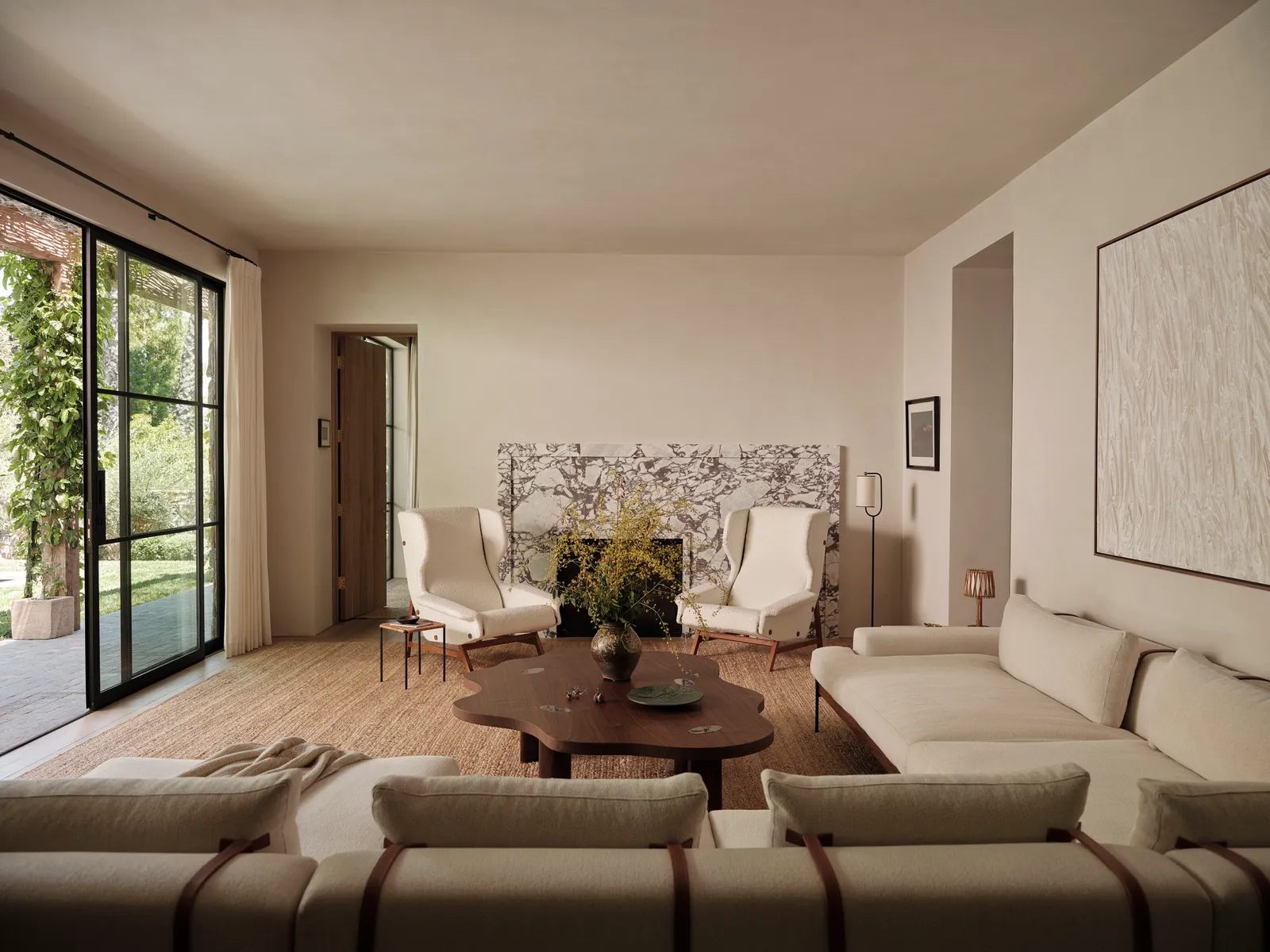
Pyntekvister shows that home decor does not need to be costly or complex. A few simple branches in a vase can change the mood of a room. They can add height, shape, texture, and a calm touch of nature without making the space feel crowded.
The word comes from Scandinavian languages and can be understood as decorative branches or twigs. These branches may be fresh, dried, bare, painted, preserved, or covered with small leaves. People often place them in simple vases and use them as natural home accents.
This style works well with Scandinavian interior design, but it is not limited to Nordic homes. It can fit modern, rustic, minimalist, farmhouse, and even industrial spaces. This guide explains what Pyntekvister means, how the style works, where to place decorative branches, which branches look best, and how to create a balanced display at home.
What Is Pyntekvister?
Pyntekvister refers to branches or twigs used mainly for decoration. Instead of placing a large flower bouquet on a table, a person may use several long branches in a vase. The result often looks clean, open, and natural.
The idea is simple. Branches already have strong lines and interesting shapes. Some grow straight. Others bend, twist, or spread outward. These forms can create visual interest even when the branches have no flowers or leaves.
The decoration may change with the season. Fresh green branches can brighten a spring room. Bare twigs can suit fall and winter. Flowering branches can add color, while dried branches can stay on display for months.
There is no single rule for creating the look. A display may include one bold branch or a group of thin stems. What matters most is shape, balance, and how the arrangement works with the room around it.
Why Decorative Branches Fit Scandinavian Design
Scandinavian homes are often linked with simple forms, natural materials, soft colors, and useful objects. Decorative branches fit these ideas well. They bring nature indoors without adding too much detail.
A branch can make a strong visual statement while using very little space. It does not need a bright color or a complex container. A plain ceramic vase and one branch may be enough to create an attractive display.
Natural materials also help make a room feel warmer. Wood, linen, wool, stone, and plants are common in Nordic style. Branches work well beside these materials because they share the same natural feel.
The open shape of branches is another benefit. Large flower displays can feel full or formal. Branches leave more empty space around them. This allows light to pass through and helps the room keep a relaxed, airy look.
The Natural Beauty Behind Pyntekvister
One reason Pyntekvister remains appealing is that no two branches are exactly the same. Each piece has its own curves, knots, marks, and small flaws. These features create character.
A branch does not need to look perfect. In fact, its uneven form is often what makes it attractive. A small bend or rough section may add more interest than a smooth artificial decoration.
This style also connects indoor spaces with the outdoors. A few twigs can bring the shape of trees and plants into a home. That natural link can soften rooms that contain many straight lines, hard surfaces, or modern furniture.
The look also changes through the day. Morning light may create soft shadows behind the branches. At night, a nearby lamp may highlight their form. The same arrangement can therefore feel different as light moves through the room.
Common Types of Decorative Branches
Many kinds of branches can work as home decor. The best choice depends on the room, season, vase, and mood you want to create.
Birch branches are a common choice for Nordic style because they often have a light, delicate form. Their thin stems work well in simple spaces. Bare birch branches can also create a clean winter look.
Willow is another useful option. Some willow branches have long, soft curves. Others have twisted forms that can create a more artistic display. Their shape makes them suitable for tall floor vases.
Branches with buds or blossoms bring more life to the arrangement. Cherry, apple, magnolia, and similar flowering branches can add gentle seasonal color. Green branches with small leaves can create a fresh spring or summer look.
Dried branches are ideal when easy care matters. They do not need water and may last for a long time. Their muted brown, gray, or beige tones also pair well with neutral interiors.
Fresh Branches Versus Dried Branches
Fresh and dried branches can both create beautiful displays, but they give a room a different feeling.
Fresh branches usually look softer and more alive. Leaves, buds, and flowers can bring color and movement into the space. They work well when you want a seasonal decoration that reflects what is happening outdoors.
They do need more care. Fresh stems may require clean water, a suitable vase, and occasional trimming. Leaves can also fall as the branch ages.
Dried branches need far less attention. Once placed in a vase, they can often remain there for months. They work especially well in rooms where you want a stable display that does not need regular care.
The choice does not have to be permanent. You can use fresh stems in spring and summer, then switch to dried or bare branches during colder months. This keeps the display connected to each season.
How to Choose the Right Vase
The vase plays a major part in any Pyntekvister arrangement. It supports the branches, but it also affects the overall shape of the display.
Tall branches usually need a tall or heavy vase. A narrow base may tip if the stems are long or spread widely. A sturdy ceramic, stoneware, or thick glass vase can provide better support.
The vase opening also matters. A narrow neck can hold several branches close together. A wide opening allows them to spread. Choose the shape based on whether you want a tight arrangement or a loose one.
Simple colors often work best. White, cream, gray, black, brown, and clear glass can support the natural look without taking attention away from the branches.
Texture can add interest too. A rough clay vase may suit rustic decor. Smooth glass can feel modern. Matte ceramic works well in calm Scandinavian rooms.
The vase and branches should feel like one display. Neither part should overpower the other.
How to Arrange Pyntekvister at Home
You do not need professional flower arranging skills to create a good branch display. Start with the largest or most interesting branch. Place it in the vase and look at its natural direction.
Add other branches slowly. Turn each stem until the shapes work together. Avoid forcing every branch to face the same way. A loose arrangement usually feels more natural.
Leave empty space between some stems. This is especially important in minimalist decor. Open gaps allow each branch to remain visible and prevent the display from becoming too heavy.
Step back after adding a few pieces. Look at the arrangement from the front and sides. If one area feels too dense, move or remove a branch.
You may find that fewer stems look better. One unusual branch can sometimes create more impact than a vase filled with many small twigs.
Where Should You Place Decorative Branches?
Choosing the right location can make a simple branch arrangement feel much more important.
A dining table is a natural place for a smaller display. Keep the branches high or open enough that they do not block people from seeing each other across the table.
Console tables also work well. A tall vase placed near a mirror, artwork, or lamp can add height to an entryway without using much surface space.
A large arrangement can sit on the floor in a living room. Tall branches may fill an empty corner and create visual interest without adding another piece of furniture.
Sideboards, shelves, coffee tables, and kitchen counters can also hold smaller arrangements. Always match the size of the display with the available space.
Bedrooms may benefit from softer branches with simple shapes. An arrangement on a dresser can add nature without creating the care needs of a large indoor plant.
Using Pyntekvister Through the Seasons
One of the strongest features of Pyntekvister is its seasonal flexibility. The same vase can support many different looks during the year.
Spring is a good time for branches with fresh buds, soft leaves, or blossoms. These details can make the room feel brighter after winter.
Summer arrangements can use green branches with fuller leaves. Keep the display open so it still feels light. Fresh greenery pairs well with white walls and natural fabrics.
During fall, dried branches can create a warmer look. Brown stems, seed pods, and muted leaves can match earthy colors used in autumn decor.
Winter is ideal for bare branches. Their simple lines can create a calm and striking display. They also work well with candles, soft lighting, wool fabrics, and other cozy materials.
Seasonal changes do not need to be dramatic. Replacing only two or three branches can give the room a fresh appearance.
Pyntekvister in Minimalist Interiors
Minimalism is not about removing every decorative object. It is about choosing objects with purpose and giving them room to stand out.
This is why Pyntekvister works so well in a minimalist home. A branch has a clear form. It can add detail without adding clutter.
Try using one tall branch in a simple vase. Place it on a table with few other items. The open space around it becomes part of the design.
Color should stay controlled. Neutral branches and vases can blend easily with white, beige, gray, or soft earth tones. If the branch has flowers, the natural color can become the main accent.
Avoid filling every shelf or table with separate arrangements. One well placed display often has more impact than several small decorations spread throughout the room.
The goal is not emptiness. The goal is balance.
How Decorative Branches Add Height and Texture
Rooms often need a mix of heights. Furniture tends to stay around the same level, especially when sofas, tables, cabinets, and chairs fill most of the space.
Tall branches help draw the eye upward. This can make a wall or corner feel more complete. It can also create a sense of height without placing heavy furniture in the area.
Texture is another benefit. Smooth walls, glass tables, metal lights, and flat cabinets can sometimes make a room feel too hard. Natural bark introduces a rougher surface.
Thin twigs create fine detail. Thick branches create stronger shapes. Leaves add softness, while dry seed pods create extra texture.
The contrast can make a simple room feel richer while keeping the number of objects low. This makes decorative branches useful for anyone who wants more visual depth without more clutter.
Creating a Rustic Pyntekvister Look
Although the style is strongly connected with Scandinavian decor, Pyntekvister can also suit rustic interiors.
Choose branches with rough bark, knots, or unusual shapes. Dried pieces often work well because they have an aged and natural appearance.
Pair them with pottery, clay, woven baskets, linen, natural wood, or stone. These materials help create a warm setting.
A rustic arrangement can be fuller than a strict minimalist one. Several branches with different forms can create an informal display. Still, avoid adding so many that the vase becomes crowded.
Earth colors work especially well. Brown, cream, tan, muted green, charcoal, and warm gray can help the arrangement feel connected to the room.
The final result should look relaxed rather than carefully polished. Natural variation is part of the appeal.
Modern Ways to Style Decorative Branches
A modern home can use branch decor in a more graphic way. Instead of focusing on rustic texture, focus on clean lines and strong shapes.
A black, white, or clear vase can create a sharp base. Add one or two branches with unusual curves. The display may then work almost like a piece of sculpture.
Large branches can also create strong shadows on plain walls. Positioning them near indirect lighting can make their shapes more visible.
For a softer modern style, use pale wood tones and light ceramic vases. Add branches with small green leaves. This keeps the room contemporary without making it feel cold.
Modern design often works best when each object has space around it. Do not place the branch arrangement among many frames, candles, books, and ornaments. Give it a clear area where its shape can be seen.
Can You Make Pyntekvister Yourself?
Yes. Creating Pyntekvister at home can be simple, especially if suitable branches are available from your own garden or from normal pruning.
Start by choosing clean, healthy branches. Look for shapes that interest you. A slight curve, fork, or uneven section may become the best part of the display.
Remove damaged leaves and loose pieces. If you plan to use fresh branches, trim the ends cleanly before putting them into water.
Dry branches should be checked carefully before entering the home. Remove dirt, insects, and weak sections. Let damp pieces dry fully.
You can keep branches in their natural state or change their appearance. Some people paint twigs for seasonal decor, though natural finishes usually suit Scandinavian design best.
The process does not need to be exact. Much of the charm comes from allowing the natural shape of each branch to guide the final arrangement.
Natural Branches and Artificial Branches
Artificial decorative branches are another option. Modern versions can copy leaves, blossoms, berries, and bare twigs with a high level of detail.
Their main advantage is convenience. They do not need water, trimming, drying, or seasonal replacement. They can also be useful in rooms where fresh plants do not last well.
Natural branches still provide a texture that artificial materials can find hard to copy. Real bark, small marks, changing colors, and uneven shapes help create an organic look.
Some homes combine both. A real dried branch may be paired with a few artificial stems. This can provide lasting color while keeping part of the display natural.
If you use artificial branches, avoid overcrowding the vase. A smaller number of realistic stems usually looks more convincing than a large, dense bunch.
Caring for Your Pyntekvister Display
The care needed for Pyntekvister depends on the type of branches you use.
Fresh branches should stand in clean water when needed. Change the water if it becomes cloudy. You can also trim the ends to help some branches take in water more easily.
Remove leaves or flowers once they begin to decay. This helps keep the arrangement clean and stops fallen plant matter from collecting around the vase.
Dried branches mainly need dust control. A gentle cloth, soft brush, or light air movement can remove dust without damaging fragile pieces.
Artificial branches also collect dust over time. Wipe larger leaves carefully and clean small sections with a soft brush.
Check tall displays from time to time to make sure they remain stable. Heavy branches may shift inside the vase. A secure base is important, especially in busy areas of the home.
Common Styling Mistakes to Avoid
Decorative branches are easy to use, but a few mistakes can make an arrangement feel awkward.
The first is using a vase that is too small. Long branches need enough weight and height at the base. If the vase looks weak compared with the stems, the arrangement may feel unbalanced.
Another mistake is adding too many branches. More does not always create a better display. When every stem overlaps, the natural shapes disappear.
Scale can also cause problems. A tiny branch on a large dining table may look lost. A huge arrangement on a small side table can take over the space.
Think about nearby objects as well. Branches placed directly in front of art, mirrors, television screens, or useful storage may become annoying rather than decorative.
Finally, do not try to make every branch perfectly even. The appeal of the style often comes from uneven height and natural movement.
Why Pyntekvister Works in Small Spaces
People living in apartments or smaller homes may not have enough room for many plants or decorative objects. Pyntekvister offers a useful alternative.
A tall, narrow arrangement uses vertical space rather than floor space. One vase can add character without taking up the area needed for storage or furniture.
Branches can also make a small room feel lighter than a large leafy plant. The open areas between twigs allow the wall and light behind them to remain visible.
Small arrangements work well on windowsills, narrow shelves, bedside tables, and compact kitchen counters.
You can also adjust the size easily. Trim the branch if it feels too large. Use fewer stems if the room feels busy.
Because the style is simple, it can add detail without making a small room feel packed.
Pyntekvister as Sustainable Home Decor
Natural decorative branches can support a more mindful approach to decorating when they come from responsible sources.
Branches left after garden pruning may be reused instead of thrown away. A piece that would normally become garden waste can become indoor decor for weeks or months.
Dried branches also have a long life. Unlike fresh flower bouquets, they do not always need regular replacement. One good arrangement can remain useful through several seasons.
The vase can also be reused again and again. Instead of buying a new decoration for each season, you can change only the natural material inside it.
Sustainability depends on how materials are collected and used. Avoid damaging healthy trees simply for decoration. Use fallen material where appropriate or branches produced through normal pruning.
Simple decor can be attractive without constant buying. That idea fits naturally with the restrained style behind Pyntekvister.
How to Match Branches With Your Room
A successful arrangement should connect with the colors, size, and materials already present in the room.
Look at your furniture first. Light wood furniture may pair well with pale or delicate branches. Dark furniture can support stronger stems with bold shapes.
Wall color matters too. Dark branches stand out clearly against white or cream walls. Pale branches can create softer contrast against gray, green, or darker backgrounds.
Think about other natural materials in the room. If you already use wood, rattan, linen, wool, or stone, branch decor can help tie these elements together.
You do not need an exact color match. In fact, small differences often make natural decor more interesting.
Focus on the overall mood. A calm room needs a calm display. A dramatic modern room can support a larger and more sculptural branch.
Why This Scandinavian Decor Idea Remains Appealing
Home trends change, but natural materials have a lasting place in interior design. People continue to look for simple ways to make rooms feel warm, personal, and connected to nature.
Pyntekvister meets those needs with very little effort. It does not require a large budget. It does not demand much space. And it can change with the seasons.
The style also allows personal choice. One home may use a single bare branch in a black vase. Another may use flowering stems in handmade pottery. Both can follow the same basic idea.
It also works with many types of interiors. Scandinavian rooms may be the most natural setting, but modern, rustic, farmhouse, and minimalist homes can use the concept with ease.
That flexibility helps explain why decorative branches feel more like a practical design method than a short term trend.
Final Thoughts on Pyntekvister
Pyntekvister turns one of nature’s simplest forms into useful home decor. A branch that may seem ordinary outdoors can become a strong design feature once placed inside a room.
The style works because it combines shape, texture, height, and natural beauty. It can be quiet and minimal or large and dramatic. Fresh branches can mark the seasons, while dried stems can provide a long lasting display.
You do not need special design skills to use this idea. Start with a vase, choose a few branches, and allow their natural forms to guide the arrangement. Leave enough open space so each stem can be seen.
Most of all, avoid trying to make the display perfect. Natural curves, uneven lengths, knots, and small flaws give branches their character. When used with care, they can make a room feel calmer, warmer, and more connected to the outdoors.
That simple balance between nature and interior design is what makes Pyntekvister such an appealing part of Scandinavian inspired home decor.

Melanie Lynn Clapp is an American designer with a very private public image. Many people know her as the first wife of Johnny Knoxville. Yet that link tells only one part of her story. She built her own work in fashion, jewelry, home design, and project care. Her career shows a steady love for useful spaces and well-made objects.
Her life also stands apart from the loud world of stunt shows. She rarely gives interviews or shares private family details. That choice has kept many parts of her story out of public view. It has also helped her protect her work, her daughter, and her daily life from needless attention.
This profile covers what reliable public records and business pages support. Some early facts remain private, including her parents, siblings, and school years. Her exact birth date, height, weight, and personal wealth are not confirmed. Rather than fill those gaps with guesses, this story focuses on the facts that can be stated with care.
Melanie Lynn Clapp and the Life Behind Public Fame
Her name often appears beside a famous former husband. That is easy to understand. Johnny Knoxville became known for wild stunts, painful falls, and bold comedy. But her own path moved in a very different way. She worked in design, where skill grows through planning and close detail. Clothing and jewelry need the same balance between form and daily use.
Her life offers a quiet contrast to celebrity culture. She did not turn her marriage into a public brand. She did not build a media career from the divorce. Instead, she kept working and raised her daughter outside the center of fame.
That choice matters when telling her story. She is not only a former celebrity wife. She is a creative worker who kept a clear sense of self.
Who is Melanie Lynn Clapp?
Some reports use the name Melanie Lynn Cates. Others call her Melanie Clapp or Lynn Cates Clapp. The name Clapp came from her marriage to Philip John Clapp, who later became famous under his stage name.
Public records from the divorce identify her as Melanie Lynn Clapp. Business pages use the shorter name Melanie Clapp. They refer to the same designer and former spouse.
She is American and has strong ties to Austin, Texas. Several profiles list 1964 as her birth year. Yet a full birth date has not been confirmed by a strong public record. Her private nature also limits basic facts. No trusted source clearly lists her parents or siblings. There is no confirmed account of her childhood home.
Early Beginnings and Texas Roots of Melanie Lynn Clapp
Texas appears to have shaped her taste and work. Her later designs often mixed clean city lines with warm, worn, natural pieces. It can feel polished without becoming cold.
Reports say she spent her early years in Austin. Still, few details about her home life have reached the public. There are no verified names for her parents. There is also no sound public record about brothers, sisters, or other close relatives.
This lack of detail calls for care. A repeated claim is not always a proven fact. What can be said is that design became a long-term part of her life. She did not enter the field for a short link to fame. Her work began before Johnny Knoxville became a major screen name. That timing shows her career had its own roots.
Education and Personal Background of Melanie Lynn Clapp
No verified public source names her high school or college. Some profiles suggest she studied design, but they do not give proof. It is possible she learned through work, study, or both. The public record does not settle that point.
Her career still shows a broad set of learned skills. Fashion work calls for color sense, fabric knowledge, and careful sizing. Jewelry work needs control, patience, and a strong eye. Interior work adds plans, budgets, building needs, and client care.
She also seems comfortable with project work. Her business offers help with materials, rooms, outdoor areas, and work with builders. That means she does more than choose pillows or paint. She helps guide a home project from idea to finished space.
Personal details remain limited for the same reason. She has not built a public life around interviews. Her views on fame, marriage, and business are mostly private. The best picture of her comes from the work she has chosen to show.
The Career Journey of Melanie Lynn Clapp
Her first known work was in fashion and jewelry. Reports place this stage in the 1990s. She is said to have worked with Warner Bros. and Urban Outfitters. These roles likely gave her useful experience with products, buyers, style, and public taste.
Fashion can teach a designer to think in layers. Fabric, shape, color, and use must all fit together. A room also needs balance, texture, comfort, and a clear purpose.
At some point, she moved toward interior work. That change was not a full break from her first field. It was more like a wider use of the same skills. Instead of dressing a person, she began shaping the places where people live.
Los Angeles gave her access to film, retail, and new style trends. Austin offered a different pace and a strong home design scene. Her work seems to join those two worlds in a natural way.
Fashion Work and Creative Growth of Melanie Lynn Clapp
Her early career is often summed up in one short line. That makes the work sound smaller than it was. Clothing and jewelry design require many steps before a product reaches a store. A designer must plan, test, change, and solve small problems.
Work for large brands can also teach limits. The designer may have a clear idea, but the item must fit cost and sales needs. It must appeal to real buyers. That kind of work can build useful discipline.
She later carried that discipline into interiors. Home clients need beauty, but they also need comfort and order. A chair must fit the room and the body. A lamp must add mood, yet still give enough light.
There is no public story of one lucky break. Instead, the record shows years of design work across related fields.
Important Projects That Shaped Her Design Career
Her best-known business is Side Street Home. Its public site presents interior work, decor, outdoor planning, and project care. It also shows work with architects and contractors. This points to a full design service, not a small hobby shop.
The firm has been linked with custom furniture, bedding, lights, rugs, and vintage pieces. These pieces help a designer avoid a flat, store-made look. Each home can keep its own tone.
Her project list includes new builds and major room changes. Before-and-after work is important in this field. It shows how a designer solves old layouts, poor light, or wasted space. Some reports say her work received notice in Austin design events. Those claims appear often, but full award records are hard to confirm. It is fair to say her business gained local attention. It is not fair to turn that attention into grand claims.
How Melanie Lynn Clapp Met Johnny Knoxville
The exact story of their first meeting is not well recorded. Public profiles often say they met in the early 1990s. Both were young and building adult lives in Los Angeles. He was still using his birth name, Philip John Clapp.
Johnny Knoxville had not yet become the face of Jackass. He was trying to find work as an actor and writer. His rise came later, after risky stunt tests led to television fame. Their bond began before that public change.
She did not meet him after he became rich or famous. They formed a family while both careers were still taking shape. Still, neither has shared many details about the courtship. There is no verified public account of a first date or proposal. Their silence deserves respect. A biography can explain the setting without writing a love story that no source supports.
The Marriage of Melanie Lynn Clapp and Johnny Knoxville
The couple married on May 15, 1995, in Las Vegas. The wedding came before Jackass changed his life. At that time, he was a working performer still seeking stable success. She was also building her own place in design.
Their daughter, Madison Clapp, was born on January 4, 1996. Parenthood began less than a year after the wedding. Knoxville later said he felt fear before becoming a father. Once he held Madison, that fear gave way to love and trust.
The family then faced a sharp rise in public attention. Jackass reached MTV in 2000 and became a major hit. Knoxville’s work involved travel, long shoots, injuries, and press. Melanie did not become a regular red-carpet figure. She appeared at some events, but she kept a low profile. That choice allowed her to remain more than a name beside his. It also gave Madison more space to grow.
Key Turning Points in Their Relationship
The biggest change came when his career grew fast. Jackass turned a small group of stunt performers into global stars. The show led to films, interviews, and constant travel. Public success brought money and reach, but it also brought strain.
The couple separated in July 2006 after about eleven years of marriage. Knoxville filed for divorce on July 3, 2007. Court papers cited irreconcilable differences. That legal term means the marriage could not be repaired.
He asked for joint custody of Madison, who was eleven then. The filing became public because of his fame. Even so, the split did not turn into a long public fight. A judge ended the marriage in March 2008. Later financial and custody terms were settled in 2009. Some sites mix these two dates and call either one the divorce date. The marriage ended in 2008, while final terms came later.
Family Life and Motherhood for Melanie Lynn Clapp
Motherhood is one of the clearest parts of her public story. Madison grew up with two creative parents. Her father worked in film, comedy, and production. Her mother worked with clothing, objects, rooms, and homes.
Madison has also worked in creative fields as an adult. She has appeared at public events with her father and younger half-siblings. Yet she has not turned her family name into constant press. After the split, both parents remained part of her life. Public reports describe a shared custody plan. There is little proof for claims about every detail of their bond. Still, no major public custody fight shaped the years that followed.
Melanie’s role as a mother likely required care during Knoxville’s busiest years. His work could involve travel and injury. Yet she has not used that private work to seek praise or attention.
How Melanie Lynn Clapp Handles Public Attention
She handles fame by giving it very little fuel. She does not often speak to the press. Her social pages are either private or tied to design work. She rarely comments on her former marriage or her former husband’s later life.
This silence should not be treated as mystery for its own sake. Some people simply do not want a public role. She had a career before fame reached the family. She kept that career after the marriage ended.
Her approach also guards against false stories. Small details can become gossip, then appear as truth. By staying quiet, she limits the amount of private material others can use.
The result is a clear line. Her design work is open to clients and viewers. Her family life is not open in the same way.
Private Lifestyle and Design Interests of Melanie Lynn Clapp
Her public design work suggests a love for calm and useful rooms. The style often pairs clean shapes with warm wood and soft cloth. Vintage pieces can sit beside modern lines. This keeps a home from feeling too new or too perfect.
Texas influence may appear through texture and comfort. California influence may appear through light and simple space. Rooms can feel fresh while still holding age and character.
Her business also covers gardens and outdoor areas. This shows an interest in the full home, not just one room. It can add shade, rest, and a better link to nature.
There is little verified news about her hobbies beyond design. Some sites list travel, art, or family time without proof. Those claims should stay out of a careful profile. Her work gives enough insight without guessing about private habits.
Where Is Melanie Lynn Clapp Today?
Her business remains the best guide to her current work. The official site shows design projects under her name. It lists help with interiors, decor, outdoor spaces, materials, and project care. That suggests she still works in home design.
A private career can be hard to measure from outside. There are fewer interviews, press tours, and public sales numbers. Yet a long list of finished projects can speak with less noise. It shows trust from clients and steady skill over time. Her work page gives that kind of proof. It centers rooms, plans, and results rather than fame. That focus fits the wider pattern of her adult life and public choices.
Her professional base is tied to Austin. Exact home and office details should remain private. Public pages connect her with projects in Texas and other cities. They do not support claims about her daily schedule or exact address.
She also stays outside celebrity news. Recent stories about Knoxville’s later marriages do not include public comments from her. Their shared chapter ended years ago, and their daughter is now an adult.
No trusted source gives a clear personal net worth. Online estimates often range widely and show no records. Any exact dollar figure would still be a guess, so it should not be stated as fact.
A Life Built Beyond a Famous Marriage
A famous marriage can hide a quieter career. That happened here. Look past the famous name, and a working designer comes clearly into full view.
Her move from fashion to homes also shows useful range. Trends change fast in both fields. Good work must still serve real people. She seems to favor lasting comfort over short-lived display. That choice can help a design age well.
Her story also shows that privacy can be active. It takes effort to keep a life small when one family member becomes famous. She avoided public feuds, paid interviews, and constant self-promotion. The divorce could have become her main public identity. She did not allow that to happen. She returned attention to design and built a business around homes. This does not mean every year was easy. Still, her choices show calm control. She kept moving without turning pain into a product.
Final Thoughts on Melanie Lynn Clapp
Melanie Lynn Clapp became known through a marriage to a major comedy star. Yet her own story is about creative work, motherhood, and privacy. She moved from fashion and jewelry into home design. That path gave her a lasting role beyond celebrity news.
The public facts are simple but meaningful. She married before Knoxville became famous. They welcomed one daughter and spent more than a decade together. After the split, she stayed private and continued her career.
Her story also teaches a useful lesson about biography. Missing facts should not be filled with bold guesses. Her parents, school, exact birth date, body details, and wealth remain unconfirmed. A fair profile respects those limits.
What remains is a clear picture of a skilled and self-led person. She built spaces instead of headlines. She kept family matters close. And she made sure one famous chapter did not define the whole book.
What does Melanie Clapp do for a living?
Melanie Clapp works in interior design and home project care. Her firm offers help with rooms, decor, outdoor spaces, materials, and work with builders. Earlier reports also link her to clothing and jewelry design.
When did Melanie Clapp marry Johnny Knoxville?
She married Johnny Knoxville in Las Vegas on May 15, 1995. The wedding took place years before Jackass made him famous. Their marriage legally ended in March 2008.
Does Melanie Clapp have children?
Yes. She and Knoxville share one daughter, Madison, born on January 4, 1996. Madison is Knoxville’s oldest child and has worked in creative fields as an adult.
Why did Melanie Clapp and Johnny Knoxville divorce?
Court papers cited irreconcilable differences. The pair separated in July 2006, and Knoxville filed in July 2007. They kept most private causes and family matters away from public debate.
What is Melanie Clapp’s net worth?
No trusted public source confirms her net worth. Several websites publish estimates, but they do not show sound records. It is more accurate to describe her as an established designer and business owner.

Albert DePrisco built his name through fine jewelry and steady business skill. Yet many people know him as Lisa Niemi’s husband. Their marriage brought him into a public story shaped by love, grief, and a fresh start.
He does not live like a film star. He rarely gives interviews or seeks press attention. Instead, he runs a respected jewelry store and keeps most parts of his life private.
His quiet nature makes his story easy to miss. He had a full career long before his famous marriage. His work, family roots, and calm role beside Niemi reveal a man grounded in craft and trust.
Clarifying the Identity of Albert DePrisco
DePrisco is an American jeweler and business owner. He serves as the owner and president of A.M. DePrisco Wellesley. The luxury store operates in Wellesley, Massachusetts.
His business sells diamonds, watches, engagement rings, and fine pieces. It also offers custom work for clients who want a personal design. Estate jewelry forms another key part of the store’s work.
Estate pieces are older items sold again after careful review. Some hold value due to age, rare stones, or skilled design. A trusted jeweler must study each piece before offering it.
DePrisco became a public figure after marrying Lisa Niemi. She is a writer, dancer, actress, and director. She was also the wife of actor Patrick Swayze for 34 years.
That link placed DePrisco near Hollywood fame. Still, entertainment has never defined his main career. His work has remained rooted in jewelry and local business.
Some online profiles call him a former actor. Yet clear and reliable records for a major acting career remain limited. His proven public work centers on the jewelry trade.
This difference matters when telling his story. Weak profiles often repeat claims without solid proof. The available facts show a business leader with deep family ties to fine jewelry.
His public image also differs from many celebrity spouses. He does not sell private stories or chase media attention. He appears to support his wife without taking control of her public life.
Early Beginnings and Family Roots of Albert DePrisco
Albert was born on August 30, 1955. Public reports link his early life to the Boston area. His family already had strong roots in the jewelry trade.
His parents were Francis, often called Frank, and Marie DePrisco. They helped build the family’s retail name in Massachusetts. Their work gave the next generation a clear path into business.
The DePrisco jewelry story began in 1948. Frank and Marie built a company based on service, diamonds, and skilled sales. The family later became known within Boston’s fine jewelry market.
Growing up near such a business likely gave Albert early contact with customers and products. He could watch how trust shaped each sale. Fine jewelry often marks an important life event.
An engagement ring may mark a proposal. A wedding band may stay in one family for decades. A necklace or watch may hold memories beyond its price.
This emotional side of the trade sets it apart from many shops. A jeweler does not only sell metal and stones. The work often involves major choices and personal stories.
The family business also required careful judgment. Valuable pieces must be checked, priced, cleaned, and stored with care. Clients must feel safe before making a large purchase.
Albert later carried that family standard into his own leadership. He did not simply use the family name. He took control of a working company and guided its next stage.
Public information about his siblings remains limited. Their names and personal lives have not been widely confirmed. This privacy matches the family’s focus on business rather than fame.
There is also little verified detail about his childhood home. No sound record describes his hobbies, school years, or daily family routine. Those gaps should not be filled with guesses.
What can be said is clear. Albert came from a family with a long jewelry history. That background became the base for his adult career.
Education and Personal Background of Albert DePrisco
Reliable public records reveal little about Albert’s formal education. Some profiles connect him to Wellesley schools. Yet detailed school records or college history are not widely available.
For that reason, claims about a degree should be treated with care. No verified university, major, or graduation year appears in strong public reports. His training seems most clear through his work.
The jewelry trade often uses hands-on learning. A person must understand diamonds, gold, design, repair, and customer needs. Years of direct work can build knowledge that books alone cannot provide.
Albert also had access to a family business with long experience. This setting may have offered daily lessons in sales and store care. It also exposed him to the risks of owning a luxury shop.
A store owner must do more than know jewelry. He must manage staff, stock, costs, security, and client service. He must also study changing tastes and buying habits.
Custom design adds another layer of skill. The jeweler must listen closely to the client. He then helps turn an idea into a piece that can be worn safely.
Diamond sales also require clear guidance. Buyers may know little about cut, color, clarity, or size. A good jeweler explains those points in plain language.
Albert’s long career suggests strong knowledge in these areas. The store’s lasting place in Wellesley also points to steady customer trust. Luxury businesses often depend on repeat buyers and referrals.
His personal style appears calm and private. He does not use his marriage as a loud sales tool. He keeps the store’s image focused on its products and service.
That choice protects both his business and home life. It also allows customers to see him as a jeweler first. His famous marriage remains part of his story, but not his whole identity.
The Career Journey of Albert DePrisco
Albert DePrisco reached a key career point in 1995. That year, he purchased the retail business from his family. The move gave him direct control over its future.
Buying a family company can bring both pride and pressure. The new owner must protect the old name. He must also make changes that help the business survive.
Albert operated the company on an independent basis for more than ten years. During that period, he shaped his own store identity. He also kept the family’s focus on quality and value.
The business later moved to 571 Washington Street in Wellesley. The location sits in an area known for local shops and professional services. This placed the store near an active customer base.
The store became known as a source for high-end jewelry. Its products include rings, bracelets, earrings, necklaces, watches, and loose diamonds. Clients can also seek help with special orders.
Engagement rings remain an important part of the business. These purchases often need time, care, and a clear budget. Staff members help clients compare stones, settings, and styles.
The store also presents designer collections. These lines give buyers access to set designs from known jewelry makers. Custom work serves those who want something more personal.
Estate jewelry offers a different buying experience. Each item may come from another time or design period. Buyers often value the history and rare detail found in such pieces.
Albert’s role includes more than daily sales. As president and owner, he must guide the whole company. He makes choices about products, staff, service, and long-term plans.
His career also shows the value of local trust. A jewelry store may compete with major chains and online sellers. Personal service gives an independent shop a clear edge.
Many clients want to see a diamond before buying it. They also want honest advice from someone with experience. A local owner can form long ties with families.
One customer may first buy an engagement ring. Years later, that same person may return for an anniversary gift. Their children may also visit the store for future milestones.
This cycle can keep a family shop strong. It depends on fair service and a good name. Albert’s business has lasted because it continues to serve those needs.
Professional Skills and Major Work of Albert DePrisco
A fine jeweler needs both product knowledge and people skills. Albert’s job brings those two areas together. He must understand value while also respecting each client’s story.
Diamond knowledge forms a central part of the work. Stones can vary in shape, size, color, and quality. Small changes may create a large change in price.
A jeweler must explain these points without placing unfair pressure on buyers. Most people enter the store with a set budget. The best result must fit both taste and cost.
Custom design also calls for careful planning. A rough idea must become a clear drawing or model. The final piece must look good and remain strong during normal use.
Repairs require a different kind of care. Old settings can weaken with time. A loose stone may fall out when a ring catches on clothing.
Store staff must inspect each item and explain the risk. They may replace a setting, resize a ring, or clean the piece. Good repair work can protect an item for many more years.
Estate jewelry calls for close study. The store must check the metal, stones, maker, age, and condition. A false or changed piece may not hold the value a seller expects.
Albert’s work also includes business leadership. He must select products that fit his local market. He must balance classic pieces with new styles.
The store’s luxury image does not remove the need for warmth. Buyers may feel nervous about cost or choice. A calm sales process can make the visit feel easier.
Trust is vital because fine jewelry has both money and meaning attached to it. A client may be marking a wedding, birth, or family event. The item may later become an heirloom.
An heirloom is an object passed down through a family. Its emotional worth may rise with time. The jeweler helps protect that value through sound advice.
Albert has spent decades working within this world. His role links family history with modern retail. That blend gives his career more depth than a simple celebrity connection.
Important Projects That Shaped the Career
The purchase of the family store stands as Albert’s most important business move. It changed him from a family member in the trade to the person leading the company.
He accepted the duty of protecting an established name. The DePrisco family had served jewelry buyers for many years. Any decline in quality could harm that trust.
Operating alone for more than a decade also shaped his path. This period gave him room to form his own standards. It likely tested his skill as both a seller and owner.
The later move to 571 Washington Street marked another major step. A store’s location affects its reach, image, and daily sales. The Wellesley site gave the company a clear public home.
Albert also helped keep the business active during major retail changes. Online shopping changed how people compare prices and products. Independent stores had to offer more than stock alone.
Personal advice became a key strength. Buyers could ask questions, examine stones, and discuss design changes. That service helped the store stand apart from basic online listings.
The growth of custom jewelry also supported the business. Many buyers now want pieces tied to their own taste. A custom item can mark a story that no standard product can match.
Designer lines added another path. These collections offered fresh work while keeping the store’s luxury focus. Clients could choose between known designs and one-of-a-kind pieces.
Albert’s marriage also brought more public notice to the company. News reports often named his work when covering the relationship. This attention introduced the store to people outside Massachusetts.
Yet he did not turn the shop into a celebrity brand. Its public message remained tied to fine jewelry, service, and design. This kept the business image stable.
His long ownership is a project in itself. Many family firms struggle when leadership changes. Albert kept the company active while giving it a clear identity of its own.
How Albert DePrisco Met Lisa Niemi
Albert DePrisco met Lisa through mutual friends in 2012. The meeting came about three years after Patrick Swayze died from pancreatic cancer. Lisa had spent decades beside the actor.
She and Patrick married in 1975. They shared a deep bond, a creative life, and many private struggles. His death in September 2009 left her facing a painful new stage.
Lisa later wrote about loss and moving forward. She did not treat grief as a short event. She described it as a process that changed her view of love and life.
When she met Albert, she was not trying to erase her past. She still loved Patrick and valued their long marriage. Any new partner had to understand that truth.
Albert appears to have accepted it with care. He did not ask her to remove Patrick from her life. This response helped create trust between them.
Their friendship grew into a romance. Reports state they dated for about a year and a half. The relationship developed away from constant press coverage.
The match joined two very different worlds. Lisa had lived around film sets, dance, books, and public events. Albert had spent his career in a local luxury business.
Still, both understood long-term duty. Lisa had cared for Patrick during his cancer fight. Albert had spent years protecting a family company and serving clients.
Their mature ages may also have shaped the bond. They entered the relationship with full lives and set values. Neither needed to build a public image through the other.
Albert proposed on Christmas Eve 2013. The proposal marked a major choice for Lisa. She had to decide whether a second marriage could exist beside her first love.
She later explained that love for one person did not cancel love for another. Albert understood that Patrick would remain part of her heart. His acceptance helped her feel safe moving forward.
That part of their story drew wide public interest. It was not a simple tale of replacing a late spouse. It showed how grief and new love can exist together.
Their relationship also showed Albert’s quiet strength. He entered a life shaped by a beloved public figure. He did so without trying to compete with Patrick’s memory.
This measured role helped the romance grow. It also set the tone for their later marriage. Albert became part of Lisa’s next chapter while respecting every chapter that came before it.
The Marriage of Albert DePrisco and Lisa Niemi
The couple married on May 25, 2014. Their wedding took place at the Mar-a-Lago Club in Palm Beach, Florida. Close friends and family attended the private event.
Lisa wore a white gown with a fitted top. The design had soft layers and a full skirt. Albert wore a classic black suit for the ceremony.
The wedding mixed joy with deep emotion. Lisa was starting a new marriage after a great loss. She also wanted to honor the life she had shared with Patrick.
Albert understood that balance from the start. He did not view her past as a threat. He accepted that her first marriage would always matter.
Their wedding showed that a person can love again. It did not erase old memories or past pain. Instead, it opened room for a different kind of future.
The couple kept the event warm and personal. They did not turn it into a large Hollywood show. Their choice matched Albert’s quiet public style.
After the ceremony, Lisa spoke with hope about marriage. She said that love could take many forms. Her words helped others who had also lost a spouse.
Albert remained calm during the attention. He allowed Lisa to speak about her feelings in her own way. He did not try to control the public story.
Their marriage became a sign of healing for many readers. It showed that grief has no fixed end date. It also showed that new love can grow with respect.
Key Turning Points in Their Relationship
The first major turning point came when their friendship became romantic. Lisa had spent years dealing with loss. Trusting another person required time and care.
Albert did not rush that process. He gave the relationship space to grow. This slow pace helped them build a strong base.
The proposal in December 2013 marked another clear change. Lisa had to consider marriage in a new way. She had already shared most of her adult life with one husband.
Her choice to accept showed faith in the future. It also showed trust in Albert’s character. She believed he could respect both her past and present.
Their 2014 wedding created a shared home life. They moved from dating into daily partnership. That step brought new duties and common plans.
Public attention also tested their bond. Many reports focused on Patrick instead of Albert. The couple had to handle constant links to Lisa’s first marriage.
Albert responded without anger or public conflict. He did not demand equal fame or press coverage. His steady response kept the focus on their real life.
Another turning point came as Lisa returned to public events. Albert sometimes joined her at charity programs and social gatherings. His presence showed quiet support.
The couple also began dividing time between different places. Their work and family ties required a flexible routine. This way of life allowed both partners to keep their own roles.
Their relationship has lasted for more than a decade. That fact suggests a stable private bond. They appear to value trust more than public display.
Family Life and Children of Albert DePrisco
Albert DePrisco and Lisa do not have children together. Lisa also had no children during her marriage to Patrick. She has spoken about that part of her life with care.
Albert’s own family history remains mostly private. Reliable public records do not clearly confirm whether he has children from an earlier relationship. It would be wrong to make claims without proof.
The couple seems to define family in a broad way. Friends, relatives, and shared memories form part of their home life. Their wedding also showed the value they place on close ties.
Lisa remained close to people connected with Patrick. Albert appears to respect those bonds. He did not ask her to cut ties with her earlier life.
This approach likely helped create peace within the marriage. A new spouse may feel pressure when a late partner remains loved. Albert chose respect instead of rivalry.
The couple also shares a strong bond with animals. Lisa has long cared for horses and other pets. Her love of animals formed a major part of her life with Patrick.
Albert joined a lifestyle that included these duties. Caring for animals takes time, money, and daily work. It also gives the couple a quiet life away from crowds.
Their family life does not follow a common celebrity model. They do not share daily updates or private photos. They keep most home moments away from public view.
That privacy makes some facts hard to confirm. Yet it also protects the people around them. Not every family detail needs to become public content.
How Albert DePrisco Handles Public Attention
Albert DePrisco entered public life through marriage, not through self-promotion. He had already built his career before meeting Lisa. Fame did not create his business or public worth.
He rarely speaks to large media outlets. He also avoids long talks about his marriage. This choice keeps his words from becoming gossip material.
When he does appear in public, he often stands beside Lisa. He does not seek the center of attention. His body language usually appears calm and supportive.
This approach helps him avoid false drama. Celebrity relationships often face rumors and harsh views. A private style can reduce that pressure.
Albert also keeps his business separate from entertainment news. The store does not depend on his marriage for its main image. Its name rests on jewelry and customer care.
He does not present himself as Patrick’s replacement. That point remains central to his public role. He is Lisa’s current husband with his own place in her life.
Many people compare the two men. Such comparisons miss the nature of grief and second marriage. Lisa’s bond with each man belongs to a different time.
Albert appears to understand this well. He supports her when she speaks about Patrick. He does not treat those memories as a public challenge.
His quiet style has also protected his own family. Reporters know little about his relatives or private routine. This limit reduces unwanted attention.
In a culture built on constant sharing, his choices stand out. He shows that a public marriage does not require a public home. Privacy can support a stable relationship.
Private Lifestyle and Interests of Albert DePrisco
Albert DePrisco lives a far more private life than many celebrity spouses. His daily work centers on business, clients, and family. He does not chase acting roles or media fame.
Fine jewelry remains his best-known interest. The field combines art, design, value, and trust. It also connects his present career with his family history.
His work likely keeps him close to Wellesley. Store ownership requires regular choices and direct oversight. Even with a skilled staff, the owner carries final responsibility.
The couple also spends time in Florida. Lisa has strong ties to the state and its social life. Their wedding in Palm Beach reflected that connection.
Their routine may include travel between homes and work sites. Still, exact details about their property are private. Public reports do not offer a full or current address.
Albert seems comfortable at formal events. Yet he also appears to prefer small gatherings. His wedding and public role both support that view.
He shares Lisa’s interest in a peaceful home life. She has long valued nature, animals, dance, and writing. Their shared routine seems far removed from Hollywood noise.
There is no strong proof of unusual hobbies or secret projects. Claims about cars, large estates, or rare collections often lack support. Such details should not be treated as fact.
His lifestyle appears comfortable but measured. A luxury business can create wealth, yet it also carries high costs. Stock, staff, security, and property all require major funds.
Where Is Albert DePrisco Today?
Albert DePrisco continues to work in the fine jewelry field. He remains linked to his store in Wellesley, Massachusetts. The business still carries the DePrisco family name.
He also continues his marriage to Lisa. The couple marked ten years of marriage in 2024. They have stayed together without public reports of a split.
Their life appears divided between Massachusetts and Florida. Business duties keep Albert tied to New England. Personal and social ties also bring them south.
Lisa remains active through writing, events, and public talks. She often speaks about grief, healing, and the value of love. Albert supports her without taking over those talks.
There is no verified public figure for Albert’s net worth. Many websites offer estimates, but they rarely show sound records. Private business value is hard to measure from outside.
A jewelry store may hold costly stock. Yet stock value is not the same as personal wealth. Loans, rent, wages, insurance, and taxes can reduce business value.
For that reason, any exact net worth claim should be viewed as an estimate. No public filing confirms a clear personal total. His real wealth remains private.
His height and weight are also not confirmed by reliable records. Some sites publish physical details without proof. These numbers should not be repeated as facts.
What is clear is his current role. He remains a jeweler, business owner, husband, and private professional. He has kept those roles stable for many years.
Final Thoughts on Albert DePrisco
Albert DePrisco became widely known because of his marriage. Yet his life holds more than a celebrity link. He built a long career before public attention found him.
His family’s jewelry legacy shaped his early path. He later bought the business and guided it under his own leadership. That move required skill, risk, and patience.
His relationship with Lisa added a deeper public meaning. He entered her life after a painful loss. He respected her grief instead of asking her to hide it.
That respect helped their marriage grow. It also gave their story a rare sense of calm. Their bond does not depend on constant public praise.
Albert’s role may seem quiet, but it carries weight. He supports a woman whose past remains part of popular culture. He does so without seeking control of that history.
His story also offers a simple lesson. Love after loss does not remove earlier love. A new partner can honor the past while helping build the future.
Today, he remains focused on work and marriage. He still avoids loud fame and public drama. That steady life may be the clearest sign of his values.
Frequently Asked Questions About Their Life Together
What does Lisa Niemi’s husband do for work?
Lisa Niemi’s husband owns and leads a fine jewelry business in Wellesley. The store sells diamonds, rings, watches, custom pieces, and estate jewelry.
When did Lisa Niemi marry her second husband?
Lisa married her second husband on May 25, 2014. The couple held their wedding in Palm Beach, Florida, after getting engaged in December 2013.
How did Lisa Niemi meet her current husband?
Mutual friends introduced the couple in 2012. Their friendship later became a romance, and they dated for over a year before the proposal.
Does Lisa Niemi have any children?
Lisa does not have children. She had no children with Patrick Swayze, and she has no children with her current husband.
Is Lisa Niemi’s husband still a jeweler?
Yes, he remains linked to his family jewelry business in Wellesley. His main public career continues to center on luxury jewelry and store leadership.
Might you also read about this: Who Is Piper Palin?

Amanda Walton is a rising creative talent known for her work as an actress, model, dancer, and spokesperson. Based in Raleigh, North Carolina, she has built a growing name through commercial campaigns, indie projects, modeling work, and viral online content. Her career shows how a modern performer can use talent, confidence, and consistency to move from local creative work to national recognition.
Quick Bio
| Category | Details |
|---|---|
| Full Name | Amanda Walton |
| Profession | Actress, model, dancer, spokesperson, creative performer |
| Known For | OhSnap Snap4 commercial campaigns |
| Age | Around 24 years old |
| Hometown | Raleigh, North Carolina |
| Nationality | American |
| Height | Around 5 feet 8 inches |
| Weight | Around 125 lbs |
| Hair Color | Brown |
| Eye Color | Brown |
| Education | Falls Lake Academy and University of North Carolina at Greensboro |
| Career Experience | More than 10 years in acting and creative performance |
| Main Career Areas | Acting, modeling, dancing, commercials, voice work, brand promotion |
| Notable Commercial Work | OhSnap Snap4 phone grip campaign |
| Notable Creative Work | Doggie House Art Collective, indie films, live events, parody projects |
| Estimated Net Worth | Around $50,000 to $150,000 |
| Income Sources | Acting, modeling, commercials, spokesperson work, creative projects |
| Family Details | Kept private |
| Social Media Presence | Active through creative and professional platforms |
| Public Image | Energetic, versatile, creative, and career-focused |
Who Is Amanda Walton?
Amanda Walton is best known as a young actress, model, dancer, and spokesperson with a strong connection to the entertainment and commercial world. She became widely recognized after appearing as the face of the OhSnap Snap4 phone grip campaign, a role that helped introduce her to millions of viewers online. Her bright personality, expressive delivery, and natural screen presence made her a memorable part of the brand’s promotional success.
Beyond commercial work, she is also connected to indie filmmaking, theater, live events, and creative collaborations. This gives her profile more depth than a standard modeling or advertising career. She is not only someone who appears in front of the camera but also someone who takes part in creative communities, art projects, and performance-based storytelling.
Early Life and Background of Amanda Walton
Amanda Walton is publicly linked to Raleigh, North Carolina, where she has built much of her creative foundation. While her exact birth date and childhood details are not widely shared, her public profile suggests that she developed an interest in acting, performance, and artistic expression from a young age. Her work across acting, modeling, and dancing shows that creativity has been a central part of her life for many years.
Her background also reflects the path of many modern performers who begin locally before gaining wider recognition. Instead of becoming known through one major film or television role, she built her name through a mix of commercials, social media visibility, talent agency representation, modeling work, and indie creative projects. That steady growth makes her story relatable for young artists trying to build a career outside the traditional Hollywood spotlight.
Education and Creative Training
Education has played an important role in shaping Amanda Walton’s career. She has been associated with Falls Lake Academy and the University of North Carolina at Greensboro, often known as UNCG. These educational experiences helped support her interest in performance, communication, and the arts. For someone working in acting and modeling, training can be just as important as natural talent.
Her background suggests a performer who understands the value of preparation. Acting, dancing, modeling, and spokesperson work all require different skills. Acting needs emotional range and timing. Modeling needs body control, confidence, and camera awareness. Commercial work needs energy, clarity, and the ability to sell a message naturally. Her training and experience helped her bring these skills together.
Career Beginnings in Acting and Performance
Amanda Walton’s acting journey is believed to span more than a decade, which is impressive for a performer in her early twenties. Starting early gave her time to gain confidence, learn how productions work, and understand the demands of both stage and screen. Her background includes theater, film, commercial projects, and voice acting, making her a versatile performer.
Early career experience often builds the foundation for future success. Small roles, auditions, training sessions, rehearsals, and local productions can shape an artist long before the public notices them. In her case, the combination of acting experience and commercial confidence helped her become a strong fit for brand campaigns and creative projects that required both personality and professionalism.
The OhSnap Snap4 Campaign
One of the biggest highlights of Amanda Walton’s career is her work as the face of the OhSnap Snap4 phone grip campaign. This campaign gave her major online visibility and helped make her recognizable to audiences across TikTok, Instagram, YouTube, and other digital platforms. Her upbeat commercial style worked well for the product and helped create strong viewer engagement.
The campaign reportedly reached millions of views online and placed her image in front of a wide consumer audience. Her face was also said to appear on product displays in more than 600 Best Buy stores nationwide. That kind of retail presence is significant for a young spokesperson because it connects online fame with real-world brand visibility.
Acting Work and Indie Projects
Amanda Walton has also been involved in indie creative work, including projects connected to the Doggie House Art Collective. This group is linked with live events, musicals, films, and collaborative art projects. Being part of an art collective shows that her creative identity goes beyond traditional acting jobs. It suggests a passion for experimental work, community projects, and independent storytelling.
One of her notable creative associations includes a Harry Potter parody or fan recreation project that gained attention online. She has also been linked to voice work, including the role of The Sorting Hat in a fan recreation project called Harry Potter and The Stone. These projects show her willingness to take part in fun, imaginative, and internet-friendly creative work.
Modeling and Public Image
Modeling is another important part of Amanda Walton’s professional life. Her height, slim build, and confident appearance fit well with editorial, commercial, and promotional modeling. Publicly available profile details list her at around 5 feet 8 inches and about 125 pounds, with brown hair and brown eyes. These physical stats are useful for casting and modeling purposes, but her appeal is also connected to personality and expression.
Her modeling work has reportedly been showcased in regional creative spaces, including gallery-style settings. This points to a career that blends commercial visibility with artistic presentation. Instead of being limited to simple product modeling, she appears comfortable in creative photography, expressive campaigns, and performance-based visuals.
Amanda Walton Lifestyle
The lifestyle of Amanda Walton appears to be centered on creativity, performance, movement, and professional growth. As an actress, model, dancer, and spokesperson, her daily routine likely includes auditions, rehearsals, shoots, content creation, fitness, networking, and brand-related work. Her public image feels energetic and modern, which matches the demands of today’s entertainment industry.
Her lifestyle also reflects a balance between local roots and wider opportunity. Being based in Raleigh does not stop her from reaching national audiences through digital campaigns and commercial work. Her career shows how performers can build strong visibility through online media, regional agencies, creative partnerships, and viral advertising rather than relying only on traditional film and television routes.
What Is Amanda Walton’s Net Worth?
Amanda Walton’s net worth is not publicly confirmed, but a realistic editorial estimate places it around $50,000 to $150,000. This estimate is based on her work as an actress, model, dancer, spokesperson, and commercial performer. It should be understood as an estimate, not a verified financial record. Since she is still building her career, her financial profile may continue to grow as she takes on more visible projects.
Her income sources likely include commercial campaigns, modeling jobs, acting projects, spokesperson work, voice acting, and creative collaborations. The OhSnap campaign may have been one of her most valuable public opportunities because of its wide reach and retail presence. However, without official financial statements, exact earnings cannot be confirmed.
Family Tree and Private Life
The family tree of Amanda Walton is not publicly documented in detail. She keeps her personal family life private, and there is no verified public information about her parents, siblings, spouse, or children. This privacy is important to respect, especially because her public identity is focused mainly on her career rather than family headlines.
It is also important to note that she is not publicly connected to the billionaire Walton family associated with Walmart. Because the surname Walton is widely known, some readers may search for a possible relation, but there is no verified evidence linking her to that family. Her recognition comes from her own work in acting, modeling, and commercials.
Social Media and Online Recognition
Social media has played a major role in Amanda Walton’s rise. Her OhSnap commercial work gained millions of views across digital platforms, showing how online advertising can turn a spokesperson into a recognizable face. In the modern entertainment world, viral visibility can be just as powerful as traditional media exposure.
Her online image is tied to creativity, humor, performance, and brand-friendly energy. This makes her well-suited for campaigns that need a lively presenter or relatable on-camera personality. As brands continue to use TikTok, Instagram, YouTube, and short-form video ads, performers like her have strong opportunities to grow their audiences and careers.
Amanda Walton Success Story
The success story of Amanda Walton is built on consistency, versatility, and strong screen presence. She did not become recognized from only one type of work. Instead, she developed skills across acting, modeling, dancing, commercial performance, voice work, and indie projects. This variety helped her become adaptable in a competitive industry.
Her journey also shows the power of being ready when the right opportunity arrives. The OhSnap campaign gave her a major platform, but her years of training and performance experience helped her deliver the confidence needed for that role. Her story is a reminder that viral moments often come after years of quiet preparation.
Career Strengths and Professional Appeal
One of Amanda Walton’s biggest strengths is versatility. She can work as an actress, model, dancer, spokesperson, and creative collaborator. This gives her more career options than someone limited to only one category. In entertainment and advertising, versatile talent is valuable because brands and productions often look for people who can adjust quickly.
Her professional appeal also comes from her friendly and expressive presence. She has the kind of commercial personality that works well in upbeat product ads, social campaigns, and internet-facing promotions. At the same time, her indie projects show she can participate in creative storytelling and performance-based work beyond traditional advertising.
Future Potential and Career Outlook
Amanda Walton has strong future potential because she already has several important career pieces in place. She has training, experience, agency-level presentation, commercial recognition, modeling ability, and an online audience connection. These strengths could help her move into larger campaigns, more acting roles, brand partnerships, or digital entertainment projects.
Her future may include more commercial work, indie films, social media campaigns, voice acting, or creative collaborations. If she continues building her portfolio and public visibility, she could become a stronger name in regional entertainment and digital advertising. Her career is still developing, which makes her profile interesting for readers who follow rising talent.
Final Thoughts
Amanda Walton represents a new type of creative performer. She is not limited to one lane. She acts, models, dances, promotes brands, joins art projects, and connects with audiences through digital media. Her rise through the OhSnap Snap4 campaign shows how one strong commercial opportunity can help a performer gain major visibility.
While much of her personal life remains private, her professional journey is clear. Amanda Walton is building a career through talent, energy, and adaptability. Her story is still in progress, but her current path suggests a performer with the confidence and range to keep growing in the entertainment and commercial world.
FAQs
How old is Amanda Walton?
Amanda Walton is publicly described as being around 24 years old. Her exact date of birth has not been publicly confirmed, so it is best to mention her age as an estimate rather than a fixed birthday.
What is Amanda Walton’s height and weight?
Amanda Walton is listed at around 5 feet 8 inches tall and about 125 pounds. These details match her public talent profile information and are commonly used for casting and modeling references.
What is Amanda Walton’s net worth?
Amanda Walton’s estimated net worth is around $50,000 to $150,000. This is an editorial estimate based on her acting, modeling, spokesperson work, and commercial campaigns, not an official financial disclosure.
Is Amanda Walton related to the Walmart Walton family?
There is no verified public evidence that Amanda Walton is related to the billionaire Walton family connected to Walmart. Her public recognition comes from her own work as an actress, model, and spokesperson.
What is Amanda Walton best known for?
Amanda Walton is best known for being the face of the OhSnap Snap4 phone grip commercial campaign. She is also known for acting, modeling, dancing, indie creative projects, and spokesperson work.

What is EO PIS? Read About Enterprise Operations Process Information System

Nimedes: A Complete Guide to the Unified Digital Workspace

Read All About Eugenia Jones: The Wife of Jerry Jones

All About Kristi Betts, The Life, Career, and Family Story of Chad Gable’s Wife

How Nicholas D’Agosto & Andrea Bricco Hooked Up: Their Love Story

Luca Celico Leite: Inside the Life of the Young Football Talent Following Kaká’s Legacy
-
 Entertainment3 months ago
All About Kristi Betts, The Life, Career, and Family Story of Chad Gable’s Wife
-
 Celebrity2 months ago
How Nicholas D’Agosto & Andrea Bricco Hooked Up: Their Love Story
-
 Celebrity2 months ago
Luca Celico Leite: Inside the Life of the Young Football Talent Following Kaká’s Legacy
-

 Entertainment2 months ago
Hudson Rechsteiner: Inside the Private Life of Rick Steiner’s Son and Brother of WWE Star Bron Breakker
-

 Celebrity2 months ago
Who Is Randy Fields? All About Debbi Fields’ Ex-Husband and Business Partner
-

 Celebrity2 months ago
The Untold Story of Zachary Knighton’s Ex-Wife: Everything About Hang Knighton and Private Family Life
-

 Sports2 months ago
Justin Tupper Biography: Net Worth, Family, Career, and Life With Torrie Wilson
-

 Entertainment3 months ago
Who Is Micah Diamond? Why Neil Diamond’s Son Chose Privacy Over Fame