
Blog
Forvo Farsi: A Clear Guide to Learning Persian Pronunciation


Forvo Farsi is a useful tool for anyone who wants to hear real Persian words spoken by native speakers. It works like an audio dictionary. You search for a word, press the play button, and hear how a real person says it. This makes the platform useful for students, travelers, teachers, and people with Persian-speaking family members.
The service is part of Forvo, a large online pronunciation site. Its Persian section covers thousands of words, names, phrases, and common terms. Forvo currently places Persian among the languages with more than 50,000 recorded pronunciations. One indexed version of its Persian page lists more than 80,000 pronounced words, though the total can change as users add new recordings.
Unlike a normal translation tool, Forvo focuses on sound. It does not try to replace a full Persian course. Instead, it helps users answer one key question: How does this word sound when a native speaker says it?
What Is Forvo Farsi?
Forvo Farsi is the Persian-language section of Forvo’s community pronunciation dictionary. Forvo calls the language Persian and uses the language code “fa.” Users may also search for the language by its native name, فارسی.
The main Persian page includes a search box for words and phrases. It also links to useful vocabulary groups, such as greetings, places, drinks, transportation, body parts, weather, jobs, colors, and numbers.
Each entry may contain one or more audio files. These clips come from people who speak Persian. The entry may also show the speaker’s username, country, gender, votes, and other basic details.
The result feels more natural than a computer voice. You can hear pauses, stress, speed, and tone. Those small details matter when learning a spoken language.
Why Persian Pronunciation Can Be Hard
Persian uses a modified form of the Arabic script. New learners often find the writing system hard at first. Some short vowels are not written in everyday text. That means a learner may see a word but still not know its full sound.
Letters can also change shape based on their place in a word. A beginner may need time to link the written form with the spoken form.
There is another issue. Written Persian and spoken Persian do not always sound the same. People may shorten words or change parts of a phrase in daily speech. Formal lessons may teach one form, while friends and family use another.
This is where Forvo Farsi can help. A recording lets the learner hear the word instead of guessing from the script.
How Forvo Farsi Works
The basic process is simple.
A user opens the Persian pronunciation page and types a word into the search box. If the word has already been recorded, the site opens an entry with one or more audio clips. The user can then play each clip as often as needed.
Some entries include more than one language. This matters because Persian shares parts of its script and vocabulary with languages such as Urdu, Dari, and Pashto. The word پر, for example, has separate recordings for Persian, Pashto, Urdu, and Dari. The site labels each language so users can choose the correct audio.
Users can also see words that still need a recording. Native speakers may add their own pronunciation clips and help expand the dictionary. Forvo maintains a page for Persian words that are waiting to be pronounced.
Real Voices Instead of Robotic Speech
The strongest feature of Forvo Farsi is its use of human voices.
Text-to-speech tools can be fast. They can also help with simple words. But an automated voice may sound flat or place stress in an odd spot. It may not reflect how people speak in daily life.
Forvo recordings come from community members. A clip may include the natural rhythm of an Iranian speaker. Some words have recordings from both men and women. Other words may have several versions from people in different places.
For example, Forvo entries recorded by the user m_asadi identify the contributor as a woman from Iran. Her recordings appear on Persian words and names such as مرسده, پر, and بهزاد.
Human audio is not always perfect. Speakers may use different speeds or sound quality. Yet those differences can be useful. Real people do not all speak in the same way.
How Many Persian Pronunciations Are Available?
The number of recordings grows as users add new audio.
Forvo’s language directory places Persian in the group of languages with more than 50,000 pronunciations. A recently indexed Persian statistics page listed about 80,302 pronounced words, 16,930 registered Persian speakers, and 4,824 words still waiting for audio. These totals should be treated as changing figures rather than fixed records.
This large collection means Forvo Farsi covers far more than basic travel words. Users may find common verbs, family terms, place names, personal names, formal terms, slang, and full phrases.
Still, not every word has several recordings. A rare name may have only one clip. A new term may have none. The community model gives Forvo broad coverage, but it also creates gaps.
Top Persian Contributors on Forvo
A small group of active speakers has added thousands of recordings.
The Persian page has listed m_asadi as a leading contributor with about 5,676 pronunciations. It has also listed faryfarfar with about 4,185 and yarbe with about 3,521. Other major contributors include loveiscoolandgood and Arasch.
These totals may rise over time. Contributors can keep recording new words, and Forvo may update its rankings.
Frequent contributors can be useful for learners who want a steady voice. After finding a clear speaker, a user can look for more recordings from the same account. This can reduce the change in tone and speed between lessons.
Yet learners should not rely on one voice alone. Hearing several people builds stronger listening skills. It also shows that natural speech can vary without being wrong.
Learning How to Say “Farsi”
The Persian word for the language is فارسی. English speakers often write it as “Farsi,” while English-language academic and official writing often uses “Persian.”
The Forvo entry for فارسی includes pronunciation sections for Persian, Urdu, and Dari. This shows why users should check the language label before playing a clip. The same written word may appear across related language communities.
With Forvo Farsi, learners can listen to فارسی several times and copy the speaker. They can focus on the first sound, the middle consonant, and the final vowel.
A good method is to play the clip once without speaking. Then play it again and repeat. On the third try, record your own voice on a phone. Compare the two versions. This small drill can show errors that are easy to miss while speaking.
Useful Persian Travel Phrases
Forvo also provides a Persian travel phrase guide. It groups phrases by real situations, including shopping, dining, banking, directions, health care, transportation, and daily contact.
The transportation section includes phrases for asking about buses, tickets, taxis, train stops, luggage, parking, fares, and travel cards. Examples include questions such as “Where is the bus stop?” and “How much is the fare?” The page provides Persian text and matching audio.
This makes Forvo Farsi useful for people who do not want to study grammar before a trip. A traveler can learn a small set of phrases, save the key words, and practice them before leaving.
Still, memorized phrases have limits. The other person may answer with words the traveler does not know. It is wise to combine audio practice with basic listening study.
How to Use Forvo Farsi for Daily Study
A short daily routine works better than one long session each month.
Start with five words. Choose terms tied to one topic, such as food, family, weather, or travel. Listen to each word three times. Then repeat it without the audio.
Next, place the word in a short phrase. A single word is easier to remember when it has a purpose. For example, do not study only آب, which means water. Pair it with a phrase about wanting or buying water.
Use Forvo Farsi to check your sound, but keep a separate notebook or digital list for meanings. Forvo is mainly a pronunciation tool. It is not designed to teach every grammar rule or give a full lesson for each word.
Review the same set the next day. Add new words only after you can recall most of the old ones. Slow growth may feel less exciting, but it often produces better results.
Benefits for Persian Heritage Learners
Some people grow up hearing Persian at home but do not learn to read or speak it with ease. They may know family words and common commands yet struggle with formal terms.
Forvo Farsi can help these heritage learners connect written words with sounds they already know. Seeing the Persian script while hearing a native recording creates a useful link between reading and listening.
The platform may also help users check names, cities, foods, holidays, and cultural terms. This can be helpful when preparing for a family event or speaking with older relatives.
But heritage speakers should expect variety. The Persian used at home may reflect a family’s region, age group, or personal habits. A Forvo clip may sound different while still being correct.
Benefits for Teachers and Content Creators
Teachers can use Forvo Farsi as a quick reference when preparing lessons. It may help them check a word before class or find several voices for a listening task.
Students can compare two recordings and describe the difference in pace or tone. They can also practice writing a word after hearing it.
Writers, reporters, video hosts, and podcast producers may use the service to check Persian names and terms before recording. Correct pronunciation shows care. It also lowers the risk of repeating an error in public content.
However, one clip should not always be treated as final proof. For an important speech, broadcast, or formal event, it is better to check more than one recording and ask a fluent speaker when possible.
Limits of Forvo Farsi
No community platform is perfect.
Audio quality can vary. One clip may sound clean, while another may have noise or low volume. Some speakers talk slowly. Others speak at a normal speed that may feel fast to a beginner.
A pronunciation may also reflect one accent or personal style. Persian is spoken across several regions and communities. Iranian Persian, Dari, and Tajik are related forms, but they are not identical. Even within Iran, speakers can differ.
Forvo Farsi helps users hear real speech, but it does not fully explain these differences. The site may list the speaker’s country, yet that detail does not always tell the full story.
The platform also cannot replace live correction. A learner may copy a sound in the wrong way and fail to notice. A teacher or language partner can hear the mistake and explain it.
Forvo Farsi Compared With Translation Apps
Translation apps answer a different need.
A translation app helps users find a meaning, build a sentence, or translate a block of text. Some apps also read the result aloud. They are useful for speed.
Forvo focuses more closely on pronunciation. It lets users hear community recordings rather than only one generated voice. Some entries include several speakers, which gives the learner more sound choices.
The best plan is to use both tools. Find the meaning in a trusted dictionary. Check the grammar in a course or textbook. Then use Forvo Farsi to hear the word.
This mix gives the learner meaning, structure, and sound.
Is Forvo Farsi Free?
Basic search and listening are available through the Forvo website. Users can open pronunciation pages and play listed recordings without paying for each word.
Forvo may offer other services, account features, applications, or download options that follow separate rules. These can change. Users should review the current site details before assuming that every feature is free.
For most learners, the main value of Forvo Farsi comes from simple listening. Search for a term, compare the available clips, and repeat the clearest version.
An account may be useful for people who want to contribute recordings, follow users, vote, or take part in the community.
Tips for Better Results
Check that the entry is marked Persian or “fa.” Do not choose a Dari, Urdu, or Pashto recording by mistake.
Listen to more than one speaker when possible. One voice teaches the word. Several voices teach listening.
Use headphones for quiet sounds. Persian includes sound differences that beginners may miss through weak phone speakers.
Slow the lesson down by breaking long words into parts. Then return to the full clip.
Do not copy a speaker’s speed at once. First aim for the right sounds. Speed can come later.
And use the word in real speech. A sound learned alone can fade fast. A sound used in a sentence has a better chance of staying in memory.
Final Thoughts
Forvo Farsi is a focused and practical pronunciation resource. It gives learners access to a large set of Persian words and phrases recorded by community members. Its strongest value comes from real voices, repeated listening, and easy word search.
It works well for beginners who cannot yet read Persian with confidence. It also helps travelers, heritage speakers, teachers, and media workers who need to check a word or name.
The platform does have limits. Recording quality varies, accents differ, and audio alone cannot teach full grammar. Even so, Forvo Farsi fills an important gap. It lets learners hear Persian as people speak it, not only as a machine reads it.
Used for a few minutes each day, it can improve word stress, listening skill, and speaking confidence. The method is simple: search, listen, repeat, compare, and use the word in context.

Ingrid Quinn is best known as the first wife of American actor David Boreanaz. Their marriage began in 1997, just as his role as Angel on Buffy the Vampire Slayer made him a new TV star. The couple divorced in 1999. Since then, Quinn has kept her life far from the press.
Her name still draws interest from fans of Boreanaz and his shows. Yet she did not seek fame or build a public career as a star. Reports from the time described her as a social worker. Boreanaz also spoke with warmth about the help she gave him during his early acting years.
This biography looks at her known background, work, marriage, and divorce. It also explains why so little is known about her life now. Every part stays close to the public record. It does not treat online guesses as facts.
Ingrid Quinn Profile Summary
| Profile detail | Verified information |
|---|---|
| Full name | Ingrid Quinn |
| Known for | First wife of David Boreanaz |
| National background | Irish |
| Profession reported at the time | Social worker |
| Relationship began | 1994 |
| Wedding date | June 7, 1997 |
| Wedding place | Las Vegas, Nevada |
| Former husband | David Boreanaz |
| Marriage ended | 1999 |
| Official reason in the filing | Irreconcilable differences |
| Children with David Boreanaz | None |
| Public life after divorce | Private |
Who Is Ingrid Quinn?
Ingrid Quinn became a public name through her marriage to David Boreanaz. She was with him before and during his first rush of TV fame. That timing links her story to the early years of one of the best known actors from late 1990s genre television.
Quinn was not an actress or a regular face at Hollywood events. Reports from the period called her a social worker. That job placed her life outside the film and TV trade. It also makes her different from many people who become known through a famous spouse.
Her public record is small by choice or by simple fact. She did not turn the marriage into a media career. She also did not keep telling her story after the divorce. Most sound facts about her come from marriage records and press reports published while the couple were together.
This limit matters. Many web pages now attach a birth date, income, or full career history to her name. Strong records do not back most of those claims. A fair account should focus on what can be checked and leave the rest alone.
Ingrid Quinn’s Work as a Social Worker
News reports from the late 1990s described Ingrid Quinn as a social worker. Social work often centers on care, support, and help for people in need. The job can take skill, patience, and a strong sense of duty. Still, the exact office or group where she worked was not made public.
Later web stories sometimes call her a screenwriter as well. Public film and TV records do not show a clear list of major writing credits under her name. For that reason, social worker is the safest career detail to use when discussing her known life.
Her work also gives useful context to her public image. She had a profession that did not depend on fame. When her husband began to draw fan and press interest, she did not appear to use that attention to sell a personal brand.
There is no sound public record of her later jobs. That does not mean she stopped working. It only means her work became private. Respecting that line keeps the focus on confirmed facts rather than claims made for clicks.
How Did Ingrid Quinn Meet David Boreanaz?
Reports from the time say Quinn and Boreanaz met in 1994 at an art gallery event. He was still trying to find steady work in Los Angeles. She was working as a social worker. Their meeting came before his name had broad public value.
Boreanaz had moved west after college to seek a place in film and television. His early years were hard. He took small jobs and looked for acting work. His first TV credit came in a 1993 episode of Married with Children, but one guest role did not make him a star.
The couple dated for about three years before they married. Those years covered a key period in his life. He went from an actor with few credits to a cast member on a new show. Quinn knew him before that sudden change.
Few details about their dates or home life came from the pair. That silence is worth keeping in mind. It shows that their bond began as a private relationship. Fame became part of it later.
Their Relationship Before David Boreanaz Became Famous
The first years of the relationship did not take place under bright press lights. Boreanaz was still going to auditions and trying to gain a firm role. Acting work often brings long waits, short jobs, and many no answers. A partner may share much of that stress.
Boreanaz later said Quinn helped him prepare for chances and did not let each missed job feel like the end. He said they shared the view that a role was not meant to be if he did not get it. His words show that she gave both hope and a calm point of view.
That support is one of the most personal facts he shared about her. He called her tough and praised her strength. The comment did not give private details, but it did give Quinn clear credit during a hard part of his work life.
It is easy to tell this part of the story only through his later success. That would miss the point. At the time, there was no promise that he would lead a hit show. Their early years together came with risk, hope, and normal daily work.
The Role That Changed Their Lives
In 1997, Buffy the Vampire Slayer began its TV run. Boreanaz played Angel, a vampire who had a soul and a dark past. The role grew as the show found a loyal audience. Fans soon saw Angel as one of its main figures.
This break changed the pace of his career. Filming took time. Press events and fan interest added more demands. A role on a growing series can also change how strangers treat an actor and anyone close to that actor.
Quinn was there as this change began. The show premiered in March 1997, and the couple married that June. Their wedding and his first major success arrived within a few months of each other. That close timing shaped the public frame around their marriage.
It would be unfair to claim that fame alone ended the bond. Neither person gave a full public account that proves such a simple cause. Still, the career shift is a key part of the timeline. Their private life met a new level of work and attention at once.
Ingrid Quinn and David Boreanaz’s Wedding
The couple married on June 7, 1997, in Las Vegas, Nevada. The date appears in the Nevada marriage record. It is one of the strongest facts in Quinn’s public profile. They had already been together for several years by then.
Their wedding came during the first season of Buffy. Boreanaz had not yet built the long career that viewers know today. He was a rising actor with a role that showed clear promise. Quinn entered the marriage as the partner who had known him before that rise.
The pair did not turn the wedding into a large public show. There is no broad record of a paid photo spread or a long media event. That quiet approach fits the way Quinn later handled public attention.
The marriage lasted a little more than two years. Short length does not erase the years they spent together before it. Their full relationship covered about five years, from 1994 until the split in 1999.
What Was Their Marriage Like?
Only small parts of the marriage entered the public record. Boreanaz spoke well of Quinn’s help while discussing his early career. He said she supported his work and helped him get ready for new chances. That is the clearest view he gave of their daily bond.
The two also shared an interest in golf, according to reports from that period. This detail offers a rare look at time they spent away from sets and press work. It suggests they had at least one calm hobby that they could enjoy as a couple.
Most other claims about their home life came from tabloids. Such stories often tried to turn normal strain into a sharp drama. The couple did not give a joint public account that proves those tales. A sound biography should not repeat them as truth.
Their marriage also took place before social media became part of star culture. There were no daily posts from either spouse. Fans could not track each trip or read each thought. As a result, the real marriage stayed much more private than many star bonds do now.
Her Support During His Early Acting Career
Ingrid Quinn is often described only as a former wife. That label hides the part she played before the marriage ended. Boreanaz himself said she supported him as he faced auditions and rejection. His direct words give her a clear place in his early career story.
Support does not mean that she caused his success. Boreanaz did the acting work, and casting teams made their own choices. Yet a stable voice can matter when a young actor faces doubt. Quinn seems to have offered that kind of help during their years together.
Her role took place behind the scenes. She did not earn a cast credit for Buffy or Angel. She also did not claim part of his fame. Still, behind the scenes care can form part of a person’s life even when viewers never see it.
This fact also gives readers a better view of her as a person. She was more than a name in a marriage list. She had her own work and gave help to a partner at a key time. Those points are small, but they are real.
Why Did Ingrid Quinn and David Boreanaz Divorce?
Boreanaz filed for divorce in October 1999 in Los Angeles Superior Court. The filing used the legal term irreconcilable differences. In plain words, that means the pair said their problems could not be fixed. The marriage ended in 1999.
Neither Quinn nor Boreanaz gave a full and shared public reason for the split. Later stories offered claims about trust, parties, and life in Hollywood. These accounts are not the same as a proven statement from both people. They should remain outside a factual life story.
The timing drew notice because Boreanaz was moving from Buffy to his own series, Angel. The new show began in October 1999, the same month news of the filing appeared. His work life was growing while his first marriage was ending.
That timing may help readers understand the level of change around them. It does not prove who was at fault. A fair account can name the official reason and stop there. Private pain does not become public fact just because one spouse is famous.
Did Ingrid Quinn and David Boreanaz Have Children?
The former couple did not have children together. This point appears across the stable public record. It also means Quinn has no known parent link to the two children Boreanaz later had in his second marriage.
Old reports said the couple had once spoken with hope about having children. Plans, however, are not events. Their marriage ended before they started a family. A biography should not turn an old hope into a deeper claim about what either person felt later.
Boreanaz became a father after he married Jaime Bergman. Those children belong to his later family story. They should not be placed inside Quinn’s profile beyond making the family line clear.
The lack of shared children may also explain why the former spouses were not seen together in later years. They had no public need to attend family events as parents. Still, the details of any private contact between them are not known.
Ingrid Quinn’s Life After the Divorce
After 1999, Ingrid Quinn stepped out of public view. Major outlets did not track a new marriage, a public business, or a media career. She did not become a regular guest at events tied to her former husband.
This does not mean nothing happened in her life. It means those events were not offered for public use. She may have worked, formed new bonds, or built a life in any number of ways. Without sound records, none of those paths should be stated as fact.
Many online profiles try to solve the silence with firm claims. They list a current home, net worth, or social account. These points often lack direct proof and may belong to another person with the same name. Care is vital when a private person has a common surname.
Her quiet life can be read on its own terms. She was linked to a star for a short period, but she did not owe the public a life report after the marriage. Privacy is not a mystery that writers must force open.
A Public Image Built on Restraint
Quinn never became a public figure in the usual sense. She did not act, host shows, or seek red carpet attention. Her name appeared because of her marriage. Even then, she spoke little to the press.
That quiet approach shaped how people remember her. It also kept her own voice out of many later stories. Writers should not treat that silence as proof of any claim. It is simply part of the record. Her restraint is a key part of her public story.
How Ingrid Quinn Fits Into David Boreanaz’s Story
Quinn knew Boreanaz before the roles that defined his career. Their relationship began when he was still seeking steady work. It continued through the start of Buffy and ended as Angel began. That makes her part of a major change in his life.
She also gave support during the uncertain years. This point comes from Boreanaz, not from a later fan theory. He recalled her strength and her help with his work. That praise remains an important part of the small public record about her.
Yet her value should not rest only on what she did for a famous man. She had her own job and her own right to choose a private path. A sound biography can note her place in his story without treating her as a side character with no life of her own.
Their marriage was brief, but it was real. It covered the line between struggle and fame. For that reason, fans still connect Quinn with the first chapter of Boreanaz’s long screen career.
Final Thoughts on Ingrid Quinn
Ingrid Quinn remains best known as David Boreanaz’s first wife. The couple began dating in 1994, married in Las Vegas in 1997, and divorced in 1999. They had no children together. The court filing gave irreconcilable differences as the reason.
Her known work as a social worker and her support during his early acting years add depth to that short record. Boreanaz spoke of her as strong and helpful. Those direct points say more than the rumors that later grew around the split.
After the divorce, she chose a life outside the spotlight. That choice deserves respect. Her biography may have open spaces, but they should stay open until sound facts fill them. The most honest view is also the simplest: she was a working woman, an early partner to a rising actor, and a private person after their marriage ended.
Her story also shows why careful research matters. A short record can still hold value when each fact is clear, fair, and tied to a real source readers trust.
Frequently Asked Questions
Who is Ingrid Quinn?
Ingrid Quinn is an Irish former social worker best known as the first wife of actor David Boreanaz. She was with him during his early acting years and the start of his fame on Buffy the Vampire Slayer. She has lived outside the public eye since their 1999 divorce.
When did Ingrid Quinn marry David Boreanaz?
The couple married on June 7, 1997, in Las Vegas, Nevada. They had dated since 1994. Their wedding took place only a few months after Buffy the Vampire Slayer began its first TV season.
Why did Ingrid Quinn and David Boreanaz divorce?
David Boreanaz filed for divorce in October 1999. The legal filing cited irreconcilable differences. Neither former spouse gave a full joint account of the private issues behind the split, so other claimed reasons should not be treated as proven facts.
Did Ingrid Quinn have children with David Boreanaz?
No, the former couple did not have children together. Boreanaz later had two children with his second wife, Jaime Bergman. Quinn has no public parent link to those children.
Where is Ingrid Quinn now?
She has kept her present life private. There is no widely confirmed public account where she shares updates about her work, home, or relationships. Claims that give exact current details often lack firm proof.

Many people search for Erin Slavar because they know her as Chris Carmack’s wife. Her correct public name is Erin Slaver. She is a trained violinist, fiddler, singer, songwriter, and actress. Music has shaped her life.
Erin grew up with music at home. She began violin lessons when she was only three. Years of study led her from a small New York town to college, orchestras, country tours, television sets, and major stages. She later formed the music duo Life on Eris with her husband.
Her story is about skill, hard work, and courage. This biography covers her childhood, music, marriage, children, and creative life with Chris Carmack.
Who Is Erin Slaver?
Erin Slaver is an American musician and performer. She works as a violinist, fiddler, singer, and songwriter. She has also acted on stage and appeared in music videos and television work. Her broad set of skills has helped her move between classical, country, roots, pop, and theater music.
Many online readers know her through her marriage to actor Chris Carmack. He played Luke Ward on The O.C., Will Lexington on Nashville, and Dr. Atticus Lincoln on Grey’s Anatomy. Yet Erin had spent years building a serious music career before their wedding.
She has toured with known country artists and played at major music events. She also spent several years with JD & The Straight Shot. Later, she and Chris wrote and recorded songs as Life on Eris. These projects show that she is more than a celebrity spouse.
Erin Slaver’s Early Life in New York
Erin was born and raised in Liberty, New York. The town sits in the Catskill Mountains, northwest of New York City. That area has a deep music history. Erin has said that music was part of family life from her earliest years.
Her father played guitar and sang in rock bands during the 1960s and 1970s. As Erin grew older, she sometimes performed in public with him. This gave her a warm link between home life and live music. It also helped her feel at ease in front of a crowd.
Her parents placed her in a Suzuki violin program when she was three years old. She kept playing as she grew. At a school talent show in third grade, she performed a violin piece while her father played the chords. That small event showed how early family support helped form her path.
How Did Erin Slaver Start Playing Violin?
The violin became part of Erin’s daily life before she could recall a time without it. Early lessons taught her how to listen, practice, and stay calm when a piece felt hard. Those habits stayed with her when she moved into other kinds of music.
The instrument demands a sharp ear. A violin has no frets to mark each note. Players must learn the right finger place and control the bow at the same time. Erin has said that the long training taught her patience and the will to keep working.
She did not remain inside one music style. Her early base was classical, but her taste grew much wider. She listened to symphonic music, jazz, rock, roots music, and Broadway songs. This wide mix later helped her move from an orchestra seat to a country stage with ease.
Classical Training at Stony Brook University
Erin finished high school as valedictorian in 2006. She then entered the Honors College at Stony Brook University. In 2010, she earned a music degree in violin performance. She graduated summa cum laude with a reported 3.99 grade point average.
At Stony Brook, Erin studied with respected teachers. They included violinists Soovin Kim, Philip Setzer, and Philippe Graffin. Their lessons helped her improve her tone, timing, and control.
She did more than standard violin study. Erin took part in jazz work with Ray Anderson. She also joined Baroque groups and chamber groups. This gave her a chance to hear music in many forms. It also taught her how to respond to other players.
Erin served as concertmaster of the Stony Brook University Orchestra for three years. A concertmaster helps lead the string group and works closely with the conductor. She also served as concertmaster for the final show of the National Orchestral Institute season in 2009.
Her college record included prizes and aid. She won second prize in the school’s undergraduate concerto contest in 2009. She received the Arthur S. Lambert Prize and a Bright Lights Scholarship. A Staller Scholarship later covered full tuition for graduate study.
Why Did Erin Slaver Leave Graduate School?
After her degree, Erin began work toward a master’s degree in classical violin performance. She also served as a teaching assistant. The path could have led to more orchestra or school work. But another kind of music was calling her.
She completed about a year of graduate study, then took a leave. In 2011, she moved to Nashville, Tennessee. She rented a place for a year to test life in the city. Within two weeks, she felt sure that she wanted to stay.
The choice was a risk, but it opened new doors. Nashville gave her access to country bands, studio work, live shows, and songwriters. It also let her use the violin as a fiddle. Her classical skill became a strong base, while the city helped her find a freer voice.
Building a Career in Nashville
Erin arrived with strong training, but she still had to earn each job. She learned how fast the live music world can move. Players may need to learn songs in little time, change styles, and support a lead artist without taking focus from the show.
Her skill on several instruments gave her more choices. Along with violin and fiddle, she played mandolin and acoustic guitar. She could also sing close harmony. That mix made her useful in bands that needed one person to fill many roles.
She worked with artists such as Martina McBride, Trace Adkins, Carolyn Dawn Johnson, and Katie Armiger. She also played with actor and singer Sam Palladio at the Grand Ole Opry. Each job placed her near skilled artists and larger crowds.
Nashville also sparked her love for writing songs. Classical music had taught her how a piece was built. Country and roots music showed her how a plain line could carry a deep feeling. Those lessons later became a key part of Life on Eris.
Erin Slaver and JD & The Straight Shot
One of Erin’s best known band roles came with JD & The Straight Shot. The group plays Americana and roots rock. Erin played fiddle and violin and sang backing vocals. She toured with the band from 2014 through 2019.
The group opened shows for major acts. These included The Eagles, The Doobie Brothers, Chicago, Don Henley, Jewel, and the Nitty Gritty Dirt Band. Touring at that level let Erin travel while doing the work she had trained for since childhood.
She also helped write and record music with the band. Their 2017 album Good Luck and Good Night used an acoustic sound. Erin’s fiddle helped add color to its roots style. Her part was not just a stage extra. She worked as a full member of a group made up of seasoned players.
Erin has said that this kind of band work helped shape her. She learned from people who had spent years in studios and on the road. The setting asked her to listen, adapt, and serve the song. Those skills later helped when she began making music with Chris.
Acting, Theater, and Television Work
Music has always been Erin’s main field, but she also trained and worked as an actress. Her stage roles included Anne Frank in The Diary of Anne Frank at the Forestburgh Playhouse. She also took part in shows such as A Christmas Carol, South Pacific, and Fiddler on the Roof.
Her screen work often linked acting with music. She appeared as a backup singer for Juliette Barnes during the first two seasons of Nashville. She also appeared in music videos for Sara Evans and Lonestar. One video placed her in a featured violin role.
These parts made use of her natural stage sense. A musician must know how to hold a crowd, follow cues, and show feeling. Acting asks for many of the same skills. Erin could bring a real player’s touch to roles built around live music.
How Did Erin Slaver Meet Chris Carmack?
Erin met Chris Carmack through work on the television drama Nashville. Chris played country singer Will Lexington. Erin worked on the show as a backup singer. Music created a natural point of contact between them.
Their bond also grew from shared creative interests. Chris had played music from a young age and wrote songs long before his best known acting roles. Erin brought years of violin study and live band work. They understood the time and care that creative work needs.
The couple kept much of their early dating life private. Public reports later showed that the relationship had become serious. Their story gained more notice because viewers knew Chris from television. Still, music remained a real part of their life, not a small detail added for public appeal.
For people who search Erin Slavar Chris Carmack wife, this is the key link. They did not meet through a planned media event. Their paths crossed on a music based television set. The same art form later became part of their marriage and joint work.
Engagement and Wedding to Chris Carmack
Chris and Erin announced their engagement in March 2016. The news came with a warm photo and a clear view of Erin’s ring. At that time, Chris was widely known for Nashville and The O.C. Erin was active as a touring musician.
They married on October 19, 2018, at Mint Springs Farm in Nolensville, Tennessee. The outdoor event used rich fall colors. Friends from the Nashville cast and music circle attended. The day joined the couple’s family life with the city where their story began.
Erin said that she and Chris felt overjoyed to become husband and wife. She called the wedding a start to the next part of their family life. The words fit their public style. They share happy moments, but they do not turn every private detail into news.
Their marriage is also a working partnership. They write, sing, play, and record together. That can bring joy, but it can also ask for honest talk. Their later songs did not hide the hard parts of love. They used them as material for art.
Erin Slaver as a Mother
Erin and Chris have two daughters. Their first child, Kai, was born in August 2016. The couple became parents before their wedding. Public posts showed their joy, but they did not make their child’s daily life a constant public show.
Their second daughter, Cielle Estee Carmack, arrived on May 10, 2022. She was born two weeks early. The couple said her name means the sky and the stars. They described her arrival as a wonderful surprise for the family.
Parenthood has shaped their music and their view of work. During the 2020 health crisis, Erin spoke about seeing the world through Kai’s eyes. A child’s wish to learn and explore brought light to a hard time. Family life also gave the couple new themes for songs.
Erin does share selected family moments online. Yet she keeps a clear line around much of her daughters’ lives. That choice gives fans a warm look without making the children part of a full public brand. It also keeps the focus on music and family bonds.
Life on Eris and the Stonewall EP
Erin and Chris formed the duo Life on Eris. The name blends parts of their first names. It also points to Eris, the dwarf planet named for a Greek goddess. The name fits music that looks at love, strain, regret, and repair.
The pair released their first EP, Stonewall, in October 2020. They wrote all five songs together. The track list included “Damaged Good,” “Stonewall,” “Skipping Church,” “Script on a Bottle,” and “Superhero.” The songs mixed pop, Americana, classical sounds, and other modern ideas.
They also made much of the record themselves. Chris and Erin played almost every instrument on it. Those parts included guitar, keyboard, and violin. Shawn Pelton played drums. The couple also handled the main work of shaping and producing the project.
Their joint writing asked for trust. Erin has said that she had never shared this kind of writing bond before. A husband and wife can be more open than two writers who meet for a work session. That truth can feel hard, but it can also lead to honest songs.
Is Erin Slavar the Correct Name?
The correct spelling is Erin Slaver. “Erin Slavar” is a common search form, but public credits and music pages use Slaver. Using the right spelling helps readers find her real work with Nashville, JD & The Straight Shot, and Life on Eris.
She is also often called an internet personality. That phrase only tells part of the story. Erin uses online pages to share music, family moments, and updates. Yet her main public work began through formal music study, touring, live shows, studio work, and acting.
So a search for Erin Slavar leads to a much deeper career than a social media label may suggest. She spent years learning violin before online fame became common. Her public profile grew from real stage work and later gained a wider reach through the internet.
Life Beyond Being Chris Carmack’s Wife
The phrase Chris Carmack’s wife helps many people discover Erin. Still, it should not define her full story. She had years of training, school honors, orchestra leadership, and tour work before the couple married in 2018.
Her own record includes major stages, television music, theater, studio work, and world travel. She has worked with many artists and bands. She can read a classical score, play roots fiddle, sing harmony, and help write a modern pop song.
Her work proves that quiet support roles can demand great skill. A violin line or harmony may shape a song without drawing much attention.
Marriage added a new creative partner, not a new reason for her talent. Life on Eris grew because both members brought useful skills. Chris brought writing, singing, guitar, and recording work. Erin brought deep violin craft, live show skill, harmony, and broad music knowledge.
That balance gives a better answer to the question of who she is. Erin Slavar, correctly spelled Erin Slaver, is not only linked to a television actor. She is a trained and tested artist with a career that stands on its own.
Frequently Asked Questions About Erin Slaver
What does Erin Slaver do for a living?
Erin Slaver works as a musician, singer, songwriter, and performer. Her main instrument is the violin, which she also plays as a fiddle. She has toured with country artists, joined JD & The Straight Shot, acted on stage, and made music with Chris Carmack in Life on Eris.
Where did Erin Slaver study music?
She studied at Stony Brook University in New York. Erin earned a bachelor’s degree in music with a focus on violin performance in 2010. She graduated summa cum laude. She then began graduate study in classical violin before moving to Nashville in 2011.
When did Erin Slaver marry Chris Carmack?
Erin Slaver married Chris Carmack on October 19, 2018. Their wedding took place at Mint Springs Farm in Nolensville, Tennessee. They had announced their engagement in March 2016. Their bond began after they met through work on the television series Nashville.
How many children do Erin Slaver and Chris Carmack have?
The couple has two daughters. Their first daughter, Kai, was born in August 2016. Their second daughter, Cielle Estee Carmack, was born on May 10, 2022. Erin and Chris share some family moments but keep much of their children’s lives private.
What is Life on Eris?
Life on Eris is the music duo formed by Erin Slaver and Chris Carmack. The married pair write, sing, play, and record together. They released the five song EP Stonewall in October 2020. Its music explores love, conflict, regret, trust, and the work of healing a bond.
Final Thoughts on Erin Slavar
The search name Erin Slavar points readers to Erin Slaver, a woman whose own work deserves close notice. She started violin at age three and spent years mastering it. Her skill carried her from school halls and college orchestras to Nashville stages and major tours.
Her life with Chris Carmack is a meaningful part of her story. They met through music, built a family, and created songs together. Yet her place in the arts began long before she became known as his wife. Her record shows study, courage, teamwork, and steady growth.
Erin’s story feels grounded because each step links to the one before it. Childhood lessons led to college. College led to Nashville. Nashville led to tours, television, marriage, and Life on Eris. Through every change, music has remained the clear center of her life.
Explore more: Albert DePrisco: The Jeweler Who Helped Lisa Niemi Find Love Again
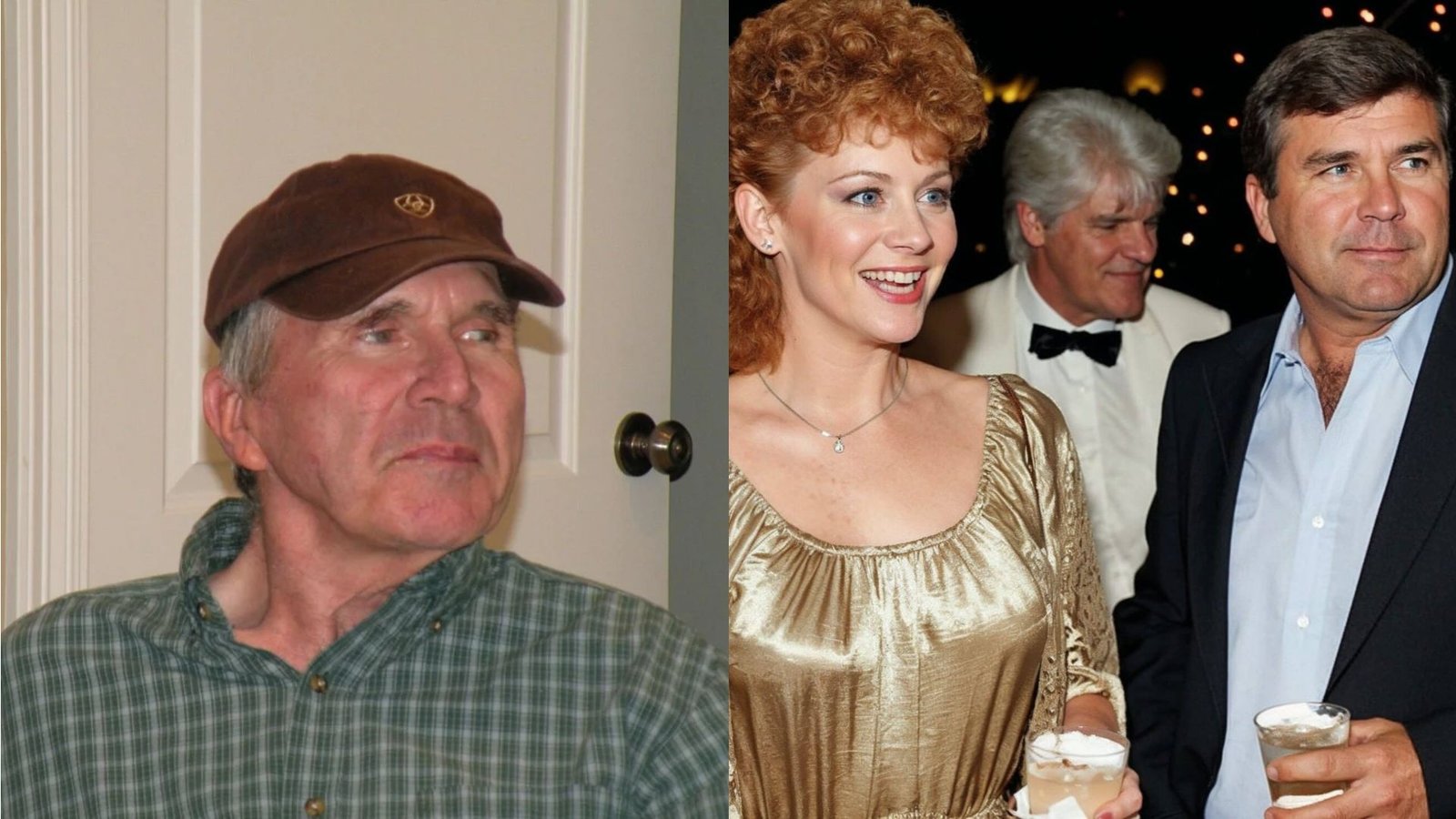
Charlie Battles built his name through grit, cattle, and rodeo. Long before fame linked him to a country music star, he was a skilled steer wrestler. He later became widely known as Reba McEntire’s first husband. Yet his own life also held military service, ranch work, and major rodeo wins.
Born Charles Warner Battles on March 9, 1945, he grew up in rural Oklahoma. His early years placed him close to horses, cattle, and hard work. Those roots shaped the life he chose as an adult. They also helped him feel at home in the rodeo world.
His marriage to Reba McEntire brought him wider public notice. They rodeoed, ranched, and built a home together during her early career. Their marriage ended as her music work grew. Still, his story reaches far beyond that well-known relationship.
Charlie Battles Became Known Beyond a Famous Marriage
Many readers first learn his name through Reba’s life story. She was still building her music career when they married. He was already an older and proven rodeo rider. Their age gap and shared rural roots drew public interest.
His public image came from a plain working life. He did not build a film or music career. He worked around stock, horses, land, and rodeo crews. That world stayed central through most of his adult years.
Yet he had earned respect before that marriage began. He competed in steer wrestling across the United States. The event asked for speed, strength, nerve, and good timing. A rider chased a steer, left his horse, and brought it down.
That work made him more than a celebrity spouse. Rodeo records show a serious and skilled competitor. His later ranch and livestock work kept him tied to the sport. Fame may have widened his audience, but rodeo formed his public life.
Charlie Battles Was Born in Tulsa and Raised in Talala
Battles was born in Tulsa, Oklahoma, to Earl Battles and Ocey Battles Pack. His mother and grandparents raised him for much of his youth. He spent his main childhood years in Talala. This small Oklahoma town gave him a close rural setting.
Talala lies north of Tulsa and has long had a small population. Life there was far from the bright lights of Nashville. His early setting matched the quiet ranch life he later chose. It also kept him near the culture of eastern Oklahoma.
Public records say little about his parents’ work or daily lives. They also offer few details about his home as a child. It is best not to fill those gaps with guesses. What is clear is that family helped guide his early years.
His later obituary named two siblings. His brother was Jim Battles, who lived in Chelsea, Oklahoma. His sister was Roxey Podpechan of Tulsa. These facts show that his family kept strong ties to Oklahoma.
Charlie Battles Attended School in Two Oklahoma Towns
He attended grade school and high school in Talala and Oologah. Public accounts do not name each school or list any degree. They also do not give school awards or class details. His known education ended when military service called.
He left school age life before many later career choices formed. The Army became his next clear step. It moved him into adult duties at an early age. That period is much better recorded than his classroom years.
School life in those towns likely placed him near farm culture. Still, no firm source explains his youth sports or first rodeo. So those points should remain private. His proven rodeo record starts after he left the Army.
He joined military service in 1962 while still very young. That choice moved him far from his Oklahoma home. It gave his life a firm schedule and new duties. Soon, he would spend more than two years overseas.
Charlie Battles Served Three Years in the US Army
Battles entered the U.S. Army in 1962. He completed basic training at Fort Leonard Wood, Missouri. His three year enlistment then took him to Germany. He spent two years and four months serving there.
He worked as an Armor Intelligence Specialist. In simple terms, this role helped an armored unit study useful facts. Such work could support planning and safe field action. His known service record does not list any combat duty.
The Army honorably discharged him on July 7, 1965. He then returned to Talala and began his rodeo path. Military life came before his best known wins. It also marked his first major work away from home.
His discharge date gave him a fresh start at age 20. He chose a field with no safe promise of success. Rodeo rewards quick results, but it also brings injury risks. He still entered events and kept building his skill.
Charlie Battles Started Rodeo Work After Military Service
After leaving the Army, he entered rodeos across the country. He chose steer wrestling as his main event. The sport was often called bulldogging at that time. It tests both the rider and the trained horse.
Steer wrestling moves fast and carries real risk. The rider must catch the steer within seconds. He then uses balance and strength to turn it. One slow move can cost the run or cause harm.
Battles proved well suited to this hard event. His work soon led to wins at a high level. He did not gain success from one lucky day. His titles came across several years of steady competition.
The event also needs courage and calm thought. Raw strength alone will not win each run. A wrestler must read the steer and choose his moment. Good footwork can matter as much as a strong grip.
Charlie Battles Won Three IRA Rodeo Championships
He won steer wrestling titles in 1968, 1970, and 1971. The wins came through the International Rodeo Association, known as the IRA. That group later became the International Professional Rodeo Association. Its events gave skilled riders a large stage.
Three titles in four years showed strong form and focus. Each season required travel and repeated good runs. Rodeo riders also cared for horses and handled long road trips. The work demanded effort outside the arena as well.
These wins remain key parts of his sports record. They explain why later accounts called him a champion. They also place him in rodeo history on his own terms. His name carried weight before country music fame entered his home.
The title years came soon after his Army discharge. He moved from a young former soldier to a proven rider. That rise took place in only a few seasons. It set the base for his later national result.
Charlie Battles Built a National Name in Steer Wrestling
His IRA wins helped him reach fans beyond Oklahoma. He rode at events in many parts of the country. Each contest brought new steers, new ground, and new pressure. A top rider had to adjust without losing speed.
The horse also played a key part in every run. A good steer wrestling horse helped close the gap. It then kept a safe line beside the steer. Rider and horse needed trust built through long practice.
Battles stayed active through both wins and hard seasons. Rodeo income can change from one event to another. Travel costs also place strain on working riders. His long career shows that he treated the sport as serious work.
He also kept close ties to cattle and ranch land. Those skills could support life between rodeos. They later helped him build a second career with livestock. His arena work and ranch work often served each other.
A 1974 NFR Place Marked His Rodeo Peak
In 1974, Battles qualified for the National Finals Rodeo. The NFR brings leading riders together after a full season. Reaching it marked his highest known level in the sport. He finished that year ranked 14th in the world.
That result came after his three IRA championships. It showed he could compete across major rodeo groups. The NFR place also gave his career a clear national mark. Few riders reach that event during their working years.
By then, he had spent years on the rodeo road. He had learned how to manage speed and risk. He also knew the demands of travel and ranch life. Those shared interests would soon connect his life with a rising singer.
Marriage to Reba McEntire Began in 1976
Battles married Reba on June 21, 1976. The wedding took place at First Baptist Church in Stringtown, Oklahoma. He was 31, while she was 21. Both came from rural homes and understood ranch work.
No strong public record gives a full account of their first meeting. Later reports show that rodeo helped bring their worlds together. Reba had grown up around cattle and horses. Her father and grandfather had both won steer roping titles.
Battles already had years of rodeo success behind him. Reba was just starting to gain notice as a singer. She had signed with Mercury Records in 1975. Their wedding came as her first songs began reaching country radio.
Reba later said that she loved him deeply. She also recalled the fun they shared in those years. They rodeoed together and worked their ranch together. Their early bond grew from a life both knew well.
Charlie Battles Shared Ranch Life With Reba
The couple lived on a cattle ranch in Oklahoma. Ranch life brought long days and many daily tasks. Animals needed food, care, land, and safe fences. This work continued even when music trips filled the calendar.
Reba often balanced ranch work with her young career. She traveled to sing, record, and meet music workers. Then she returned to a home shaped by cattle and rodeo. Her life held two very different kinds of work.
Battles understood the hard travel that came with a career. Rodeo had also taken him far from home. Yet music slowly asked for more of Reba’s time. Nashville became more important as her records found larger crowds.
Their ranch years were not a stage show for fans. They lived much of that time away from public view. Few private details have been confirmed. Their own later words offer the clearest view of those years.
Charlie Battles Became a Father Before Marrying Reba
Battles first married in 1966. That marriage produced two sons, Lance and Coty. The couple later divorced while he kept riding in rodeos. Public records do not give full details about that marriage.
When Reba married their father, she became their stepmother. She helped form a blended family while building her career. Later accounts show that she kept warm feelings for her stepchildren. She has said that she claims all her children as family.
Lance and Coty have lived mostly outside public life. Their father’s obituary later named both sons. It also listed four grandchildren named Megan, Tye, Cheyenne, and Sierra. Two great grandchildren had joined the family by 2013.
Battles and Reba did not have a child together. Reba later had one son during her second marriage. Claims that she and her first husband shared a son are false. Their family link came through his two sons.
Charlie Battles Faced Change as Reba’s Career Grew
Reba’s career rose at a fast pace during the 1980s. She moved from a new singer to a major country star. Recording, shows, and business meetings took more time. Her work also pulled her toward Nashville more often.
The change placed strain on their home life. Reba later said her husband wanted her to slow down. She had to choose what path she wished to follow. In her own words, she chose her career over the marriage.
The couple divorced in 1987 after about 11 years. Reba then made Nashville her main base. Her album The Last One to Know came out that year. Several songs matched the pain tied to her divorce.
No fair account should turn one short statement into a full private story. Only the couple knew every part of their marriage. Verified facts show a split during a major career rise. Claims beyond that need care and proof.
Charlie Battles Continued Ranch Work After the Divorce
After the divorce, Battles stayed close to rodeo and cattle. He did not seek a public career in music or film. His work remained rooted in the same rural world. That choice kept his daily life away from celebrity news.
He had bought a small ranch near Stringtown years earlier. He kept riding in rodeos until about 1993. That means his active rodeo life lasted for decades. Few riders can remain in such a hard event that long.
Retiring from competition did not end his rodeo work. He shifted toward raising and supplying rodeo animals. This move used skills gained across many seasons. He knew what riders and event teams needed from good stock.
There is no sound public figure for his personal wealth. Ranches, animals, and business assets can change in value. Any net worth claim would only be a guess. His known record supports work and ownership, not a set fortune.
Charlie Battles Built a Livestock Company in Texas
Battles moved to Detroit, Texas, and entered stock contracting. In 1995, he named the business Charlie Battles PRCA Rodeo Livestock Company. A stock contractor supplies animals for rodeo events. The job also includes their care and safe travel.
His background gave him a useful eye for rodeo animals. He understood how stock moved inside an arena. He also knew the needs of riders and event crews. Those years of direct experience supported his new business.
Animals from his company earned places at major events. His stock was chosen for the National Finals Rodeo 12 times. Such picks showed trust from people within the sport. They also extended his link to the NFR after retirement.
This later work forms a key part of his legacy. He did not simply leave rodeo after his last run. He served the sport in a new role. His animals helped other riders compete on a national stage.
Charlie Battles Spent His Final Years With Donna Granger
Battles married Donna Granger in 1998 while living in Texas. The couple later faced a grave health change. He suffered a major stroke in 2006. The stroke left him fully disabled and in need of daily care.
He and Donna moved to Sulphur, Louisiana, later that year. She cared for him there through his final years. This part of his life remained private. His obituary gives the main confirmed facts about her support.
He died on April 21, 2013, at age 68. Heart failure and problems linked to his stroke caused his death. His family held a graveside service at Mimosa Pines Cemetery North. The service took place on April 26.
His wife, sons, siblings, grandchildren, and other relatives survived him. His death closed a life shaped by service and rodeo. Public interest often focused on his famous former wife. Rodeo fans also recalled his own work and wins.
Final Thoughts
Battles lived a life built around action and land. He served his country before entering professional rodeo. Three IRA titles proved his skill in steer wrestling. His 1974 NFR place added a major national mark.
His marriage to Reba remains the most searched part of his story. They shared ranch work, rodeo, and her early music years. As her career grew, their goals no longer matched. Their divorce sent both toward separate lives.
He later found a new role as a stock contractor. That work kept him inside the sport he loved. His company sent animals to the NFR many times. This record gave him a lasting place in rodeo.
His final years brought severe health limits. Donna cared for him after his major stroke. He died surrounded by a large family legacy. His story joins military duty, sport, ranch work, marriage, and loss.
Who Was Charlie Battles?
He was an American steer wrestler, rancher, and rodeo stock contractor. He won three IRA championships and reached the 1974 NFR. Many people also know him as Reba McEntire’s first husband.
When Did Battles Marry Reba McEntire?
He married Reba on June 21, 1976, in Stringtown, Oklahoma. He was 31, and she was 21. Their marriage lasted about 11 years before their 1987 divorce.
Did Battles and Reba McEntire Have Children Together?
No, they did not have children together. He had two sons, Lance and Coty, from his first marriage. Reba became their stepmother during her marriage to him.
What Rodeo Titles Did Battles Win?
He won IRA steer wrestling championships in 1968, 1970, and 1971. He also qualified for the National Finals Rodeo in 1974. He ended that season ranked 14th in the world.
What Caused Battles to Die?
He died from heart failure and problems linked to a 2006 stroke. The stroke had left him fully disabled. He died in Sulphur, Louisiana, on April 21, 2013, at age 68.

Read All About Eugenia Jones: The Wife of Jerry Jones

Trevor Wakefield: Tim Wakefield’s Son and His Family Legacy

Ingrid Quinn: David Boreanaz’s First Wife and Her Private Life

All About Kristi Betts, The Life, Career, and Family Story of Chad Gable’s Wife

How Nicholas D’Agosto & Andrea Bricco Hooked Up: Their Love Story

Luca Celico Leite: Inside the Life of the Young Football Talent Following Kaká’s Legacy
-
 Entertainment4 months ago
All About Kristi Betts, The Life, Career, and Family Story of Chad Gable’s Wife
-
 Celebrity3 months ago
How Nicholas D’Agosto & Andrea Bricco Hooked Up: Their Love Story
-
 Celebrity3 months ago
Luca Celico Leite: Inside the Life of the Young Football Talent Following Kaká’s Legacy
-

 Celebrity3 months ago
Who Is Randy Fields? All About Debbi Fields’ Ex-Husband and Business Partner
-

 Entertainment4 months ago
Hudson Rechsteiner: Inside the Private Life of Rick Steiner’s Son and Brother of WWE Star Bron Breakker
-

 Celebrity3 months ago
The Untold Story of Zachary Knighton’s Ex-Wife: Everything About Hang Knighton and Private Family Life
-

 Sports3 months ago
Justin Tupper Biography: Net Worth, Family, Career, and Life With Torrie Wilson
-

 Celebrity3 months ago
Who Is Sanjay Nayar? Inside the Life of Falguni Nayar’s Husband and India’s Finance Veteran