Technology
KBH 4: A Complete Guide to the Enclosed Conductor Power System

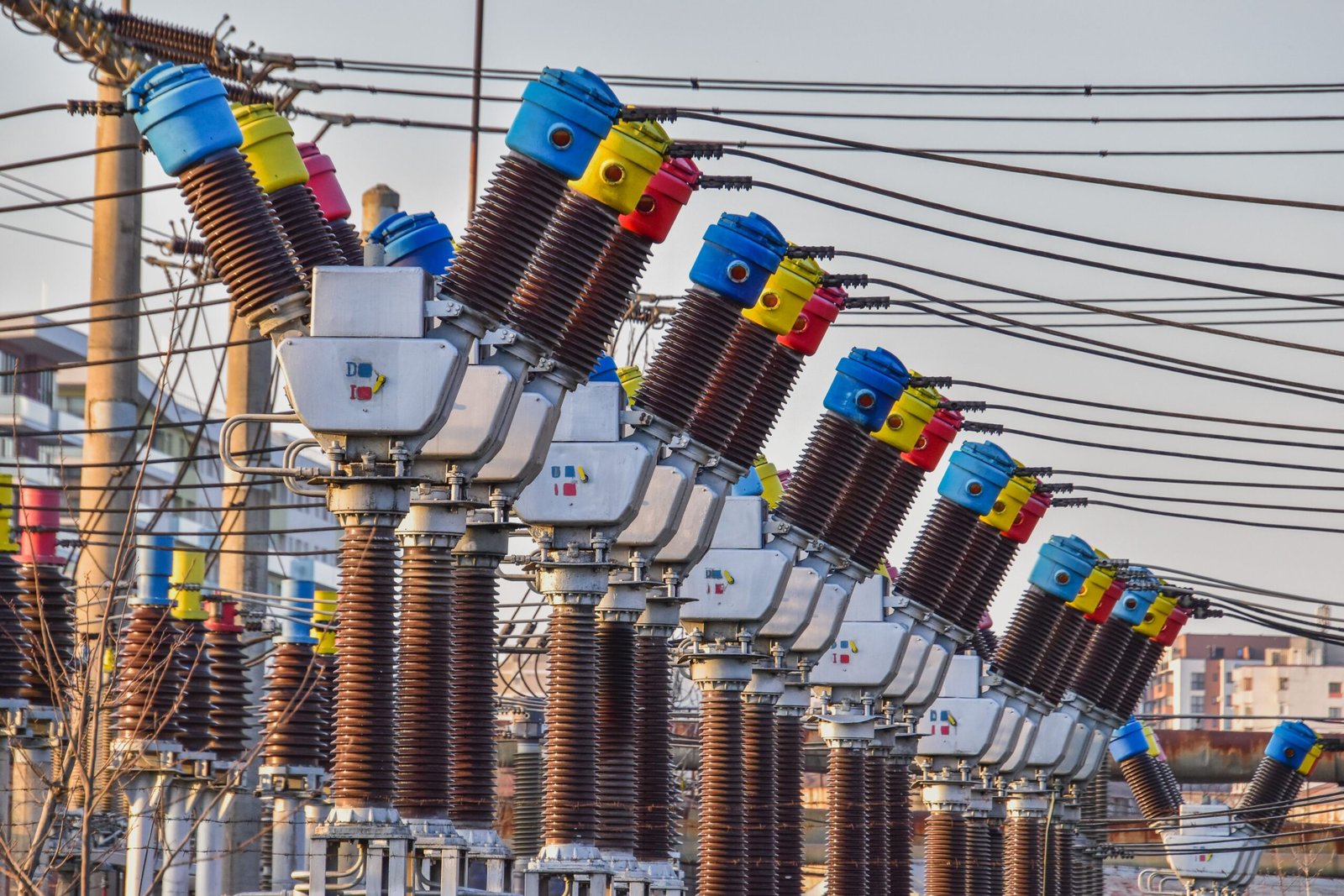
KBH 4 is an enclosed conductor system made to supply steady power to moving industrial equipment. It is often installed beside crane tracks, hoists, monorails, and automated storage machines. The number “4” points to a four-conductor layout inside the protected housing. This compact setup helps machines move while staying linked to a fixed source of electric power.
Unlike a loose cable, the system runs along a set path. A moving current collector slides through the rail and draws power from the copper conductors. This design keeps cables off the floor and away from many moving parts.
VAHLE offers the KBH range for indoor and outdoor use. Official product data describes it as a contact-protected conductor system with a gray plastic housing. Four-pole and five-pole forms are available for different electrical plans.
What Is KBH 4?
KBH 4 is a four-pole form of the VAHLE KBH enclosed conductor system. It carries electric current along a fixed rail and transfers that current to mobile machinery.
The rail contains copper conductors inside a hard plastic body. A collector travels within the opening of the rail. Contact shoes inside the collector touch the copper strips and pass power to the moving machine.
The housing limits direct contact with the live parts during normal use. It also keeps the conductors in a fixed position. This gives the system a clean and compact shape.
The setup is useful where a machine must move over the same route many times. A bridge crane is a clear example. The crane travels along a runway, yet it still needs constant power. The conductor rail follows that runway and feeds the crane as it moves.
What Does the Number 4 Mean?
The “4” in KBH 4 refers to the number of conductor poles in the housing. It does not state the rail length, voltage, or current rating.
A common four-pole layout may include three phase conductors and one protective ground conductor. The exact pole use depends on the electrical design, local rules, and machine needs.
Some systems may need a neutral conductor as well. In that case, a five-pole layout may be a better fit. VAHLE notes that the upper pole may serve as a neutral conductor when required. A protective ground conductor is needed for higher-voltage use.
The four-pole form is often enough for standard three-phase industrial loads. Still, engineers must confirm the pole plan before ordering any rail, collector, or feed unit.
A wrong pole count can lead to costly changes. It may also leave no place for a needed neutral or control line.
How the Conductor System Works
The working method is simple. Fixed copper conductors carry power through the rail. A mobile collector connects those conductors to the moving machine.
The main rail is mounted beside or below the machine track. The collector is linked to the machine through a tow arm. As the machine moves, the tow arm guides the collector through the housing.
Spring pressure keeps each contact shoe against its copper conductor. This allows current to pass during travel. Flexible cables then run from the collector to the machine’s electrical panel.
The collector must stay aligned with the rail. Poor alignment can increase contact wear. It may also cause rough movement, heat, or damage to the collector.
A full KBH 4 line may include straight rail sections, feeds, joint caps, hangers, end caps, collectors, tow arms, and expansion parts. Some routes may also need curves or transfer guides.
Each part has a set job. Together, they form a complete mobile power network.
Main Parts of a KBH 4 Installation
A standard system starts with the enclosed conductor sections. VAHLE lists a standard section length of four meters, though other lengths may be supplied. The housing is gray and can hold different copper sizes.
Joint parts connect one rail section to the next. Plastic joint caps cover these connection areas. They help protect the joint and keep the rail shape smooth.
A feed unit brings power into the rail. Installers may use an end feed or a line feed. An end feed enters at the end of the route. A line feed can supply power at another point along the run.
Hangers support the conductor rail. Some act as sliding hangers, while a fixed-point hanger controls the rail at a chosen position. This matters because plastic and copper expand as the temperature changes.
An end cap closes the open end of the conductor system. It helps block dirt and reduces the chance of accidental access.
The current collector is the moving link. It runs inside the rail and sends power through its cable to the crane, hoist, or other machine.
KBHF and KBHS Versions
The KBH range includes two main forms known as KBHF and KBHS. Both are offered in four-conductor and five-conductor layouts.
KBHF uses preassembled copper conductors with spring-loaded connectors. Official VAHLE data places this type in the 63 to 100 amp range.
KBHS also uses preassembled copper conductors. Yet its joints use bolted connections. This version covers ratings from 63 to 200 amps.
The right type depends on the load, duty cycle, route, and plant plan. A smaller hoist may not need the same current level as a large production crane.
The joint type also affects assembly and service work. Spring-loaded connections can support quick fitting. Bolted joints may suit higher current needs.
Engineers should never choose a version based on current alone. Starting current, voltage drop, travel length, and site heat must also be checked.
Where Is KBH 4 Used?
KBH 4 is made for machines that move along a fixed route. The rail follows the travel path and supplies power through the full operating area.
One of its most common uses is crane power. Overhead bridge cranes move loads across factories, warehouses, and repair sites. The rail can run along the crane runway and feed the bridge drive.
Electric hoists also use enclosed conductor systems. A hoist may travel across a beam while lifting material. The conductor rail removes the need for a long loose cable.
Monorail systems are another common use. These systems move parts between work areas. They need power at each point along the track.
Automated storage and retrieval systems can also use the KBH range. These machines move through tall warehouse aisles to store and collect goods.
VAHLE also lists machine tools and mobile lighting systems among the intended uses.
Why Enclosed Conductors Are Useful
Open conductor bars leave more of the system exposed to the work area. An enclosed design places the live conductors inside a shaped housing.
This does not remove every electrical risk. Yet it limits normal access to the copper parts and helps protect them from direct knocks.
The compact profile also saves space. Several conductors sit inside one housing rather than on separate supports.
A single rail body can be easier to align than several open bars. The shape helps guide the collector and keeps the conductor spacing fixed.
The system is also corrosion-resistant because much of its structure uses plastic. The copper still needs proper care, but the housing does not rust like bare steel.
Cable control is another benefit. A moving cable can sag, swing, twist, or catch on equipment. KBH 4 keeps the main power path fixed beside the machine route.
That makes the work area cleaner and may reduce cable damage.
Current Ratings and Copper Size
The current rating is one of the most important design points. A system must carry the machine load without too much heat or voltage loss.
VAHLE lists nominal current ratings from 63 to 200 amps across the KBHF and KBHS forms. The stated maximum conductor cross-section is 26 square millimeters.
These figures do not mean every rail can carry 200 amps. The exact limit depends on the chosen type and copper profile.
A designer must first find the normal running current. Motor starting current must also be considered. Cranes may start, stop, and reverse many times during a shift.
The route length matters too. Long runs can create more voltage drop. Feed position can reduce that drop. Some systems may need more than one feed point.
Ambient heat can lower the safe current level. A rail near a furnace may face very different conditions from one in a cool warehouse.
A sound design uses the manufacturer’s current tables, voltage-drop data, and local electrical rules.
Indoor and Outdoor Performance
The KBH system is suitable for both indoor and outdoor installation. The standard design carries an IP23 protection rating.
VAHLE also offers a sealing strip. With this part fitted, the system may reach IP24 protection. A heating option is available for cold sites and places where frost may form.
An outdoor rating does not mean the rail can be placed anywhere with no review. Wind, rain, ice, dust, salt, and chemical fumes may affect service life.
The rail should be installed in the correct direction. Water must not collect inside the housing. Feed boxes and cable entries also need proper seals.
Cold storage sites may need closer hanger spacing. VAHLE’s technical guide lists a maximum support distance of 1.33 meters for cold storage at or below 0°C. It also gives 1.33 meters for systems exposed to temperatures above 35°C. Indoor or roofed systems at 35°C or less may use support distances up to two meters.
These distances should be checked for the exact project.
Safety Features and Limits
The enclosed housing is a key safety feature. It helps stop casual contact with the conductors while the collector remains inside the rail.
Still, KBH 4 is not safe to touch just because it has a plastic body. The collector is considered touch-protected only when it is fully inside the conductor system.
If a collector can leave the rail during normal operation, live parts may become reachable. VAHLE states that a barrier or mains disconnection is needed where hand contact may occur. This warning applies above 24 volts AC or 60 volts DC.
Power must be isolated before service work. Workers should follow lockout and tagout steps. They should also test for voltage before touching internal parts.
The ground path must remain sound through the full route. Phase order must also stay correct at each joint.
The housing and collector shape help prevent phase reversal. Yet installers still need to test the completed line before use.
Planning a KBH 4 System
Good planning starts with the machine. Record its voltage, phase count, running current, starting current, travel speed, and duty cycle.
Next, measure the travel route. Include every straight section, curve, transfer point, and gap. Note where power can enter the system.
Check the site temperature. A large temperature change can cause the copper and support structure to expand at different rates. Long routes may need expansion sections.
The mounting surface also matters. Brackets must be strong and straight. A weak or uneven support can cause the rail to sag.
Collector travel should stay within the allowed alignment range. The tow arm must guide the collector without pushing it hard against one side of the housing.
The plan should also include service access. Workers need room to inspect joints, change collectors, and reach feed boxes.
Lastly, confirm the environment. Dust, water, chemicals, frost, and heavy dirt may call for sealing strips or other protective parts.
Installation Basics
Installers should begin with a clear route line. Brackets must follow the machine track and stay at the planned height.
Hangers are then attached at the required spacing. The rail sections can be fitted into these supports and joined in order.
Each conductor joint must be clean and fully connected. Loose joints can create heat. A poor joint may also damage the contact shoes.
The fixed-point hanger must be placed at the planned location. Sliding hangers should allow normal thermal movement.
Feed wires must match the expected current and protective device. Cable glands should hold the cable firmly without cutting its jacket.
The collector and tow arm are fitted after the rail is aligned. The collector should move through the full route without binding.
Before startup, technicians should test insulation, ground continuity, phase order, and supply voltage. They should also inspect all end caps and joint covers.
Only trained staff should install or change an KBH 4 power system.
Maintenance and Common Problems
Routine checks help the rail work for many years. The service plan should match the number of travel cycles and the site conditions.
Contact shoes wear during use. Their wear rate can rise when the rail is dirty or poorly aligned. Worn shoes may cause sparks or weak power transfer.
Collectors should move freely. A damaged guide wheel or bent tow arm can force the collector sideways.
Joints should be checked for heat marks, loose parts, or damaged covers. Dark marks may point to a weak electrical link.
Dust and oil can build up near the rail opening. Cleaning should use a method approved for the conductor system. Water or harsh chemicals should not be used without manufacturer approval.
Workers should also look for cracked housing, loose hangers, sagging rail, and damaged feed cables.
Frequent faults often point to a root cause. Replacing a contact shoe may not fix poor rail alignment. The full travel path should be checked.
How to Choose the Right System
The first choice is the pole count. Pick a four-pole layout only when the electrical plan truly needs four conductors.
Next, choose between KBHF and KBHS. The load range and joint design will guide this step.
Current rating must include real machine use. A crane that lifts heavy loads all day has a harder duty than one used twice a week.
Travel speed should match the collector. Transfer points, curves, and switches may require special parts.
The surrounding air also matters. A clean indoor plant has different needs from a wet yard or cold room.
System cost should include more than the rail price. Count feeds, collectors, brackets, hangers, expansion parts, installation time, and future spare parts.
A well-sized KBH 4 setup can offer stable power with a small profile. A poorly chosen one may suffer from voltage drop, wear, and service stops.
Final Thoughts
KBH 4 is a practical power supply system for cranes, hoists, monorails, and other machines that follow a fixed track. Its four conductors sit inside a gray plastic housing. A moving collector draws power while the machine travels.
The design keeps the power route compact and limits access to live conductors during normal operation. It can also reduce the need for loose moving cables.
Yet the product must be planned with care. Pole count, current, voltage drop, heat, rail length, and collector alignment all affect performance.
Correct installation matters just as much as product choice. When engineers follow the official data and use trained installers, KBH 4 can provide clean and steady mobile power in many industrial settings.
Frequently Asked Questions
What does KBH 4 mean?
It means a KBH enclosed conductor rail configured with four conductor poles. The number does not show the rail length or amp rating.
Who makes the KBH conductor system?
The KBH enclosed conductor system is part of the mobile power product range made by VAHLE.
Can KBH 4 be used outdoors?
Yes. The standard system is listed for indoor and outdoor use. Site conditions must still be checked before installation.
What machines can use KBH 4?
Common uses include overhead cranes, electric hoists, monorails, machine tools, storage systems, and mobile lighting equipment.
How much current can the KBH system carry?
Depending on the selected KBHF or KBHS version, official ratings cover a range from 63 to 200 amps. The exact rating must match the chosen conductor size and project conditions.


Read All About Eugenia Jones: The Wife of Jerry Jones

Trevor Wakefield: Tim Wakefield’s Son and His Family Legacy

Ingrid Quinn: David Boreanaz’s First Wife and Her Private Life

All About Kristi Betts, The Life, Career, and Family Story of Chad Gable’s Wife

How Nicholas D’Agosto & Andrea Bricco Hooked Up: Their Love Story

Luca Celico Leite: Inside the Life of the Young Football Talent Following Kaká’s Legacy
-
 Entertainment4 months ago
All About Kristi Betts, The Life, Career, and Family Story of Chad Gable’s Wife
-
 Celebrity3 months ago
How Nicholas D’Agosto & Andrea Bricco Hooked Up: Their Love Story
-
 Celebrity3 months ago
Luca Celico Leite: Inside the Life of the Young Football Talent Following Kaká’s Legacy
-

 Celebrity3 months ago
Who Is Randy Fields? All About Debbi Fields’ Ex-Husband and Business Partner
-

 Entertainment4 months ago
Hudson Rechsteiner: Inside the Private Life of Rick Steiner’s Son and Brother of WWE Star Bron Breakker
-

 Celebrity3 months ago
The Untold Story of Zachary Knighton’s Ex-Wife: Everything About Hang Knighton and Private Family Life
-

 Sports3 months ago
Justin Tupper Biography: Net Worth, Family, Career, and Life With Torrie Wilson
-

 Celebrity3 months ago
Who Is Sanjay Nayar? Inside the Life of Falguni Nayar’s Husband and India’s Finance Veteran