
Blog
CDiphone: The Viral Concept That Mixes CDs With Modern iPhone Technology

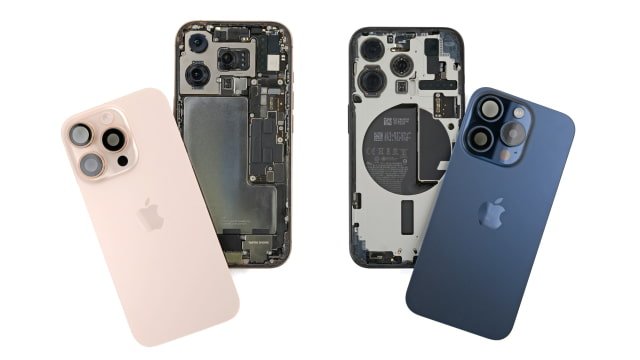
CDiphone is a creative concept that blends two very different eras of technology. It combines the look and feel of the classic compact disc with the sleek form of a modern Apple iPhone. The idea has gained attention because it turns a familiar piece of music history into something that looks like a future phone.
The design is best understood as a piece of AI-generated concept art. It is not an official Apple product. Apple has not announced an iPhone with a built-in CD player. Instead, the concept shows what such a device might look like if old physical media returned in a new form.
This unusual mix has helped the idea spread online. People who remember CDs often feel nostalgia when they see it. Younger users may find the design strange, creative, or even futuristic. This article explains what the concept means, why it became popular, how it could work in theory, and what it tells us about modern technology and retro design.
What Is CDiphone?
CDiphone is a digital concept that imagines an iPhone-style smartphone with support for physical compact discs. The design usually places a round CD area on or inside a modern phone body.
The basic idea is simple. A user could place or insert a compact disc into the device. The phone would then read music or other digital information stored on that disc. At the same time, the device would still offer the normal tools expected from a smartphone.
However, the concept should not be confused with a real commercial device. It does not represent an announced Apple product. It is better viewed as creative technology art that asks an interesting question: what would happen if smartphones and CDs had developed together?
That question gives the idea much of its charm. Smartphones represent fast, wireless, digital access. CDs represent physical ownership and an older way of enjoying media.
By combining them, the design creates an object that feels both old and new.
Why the Concept Became Popular
The idea became interesting because it looks unexpected. Modern phones have moved away from physical media. Most people now stream music rather than carrying discs.
Seeing a CD placed inside a modern smartphone changes that normal pattern. The result catches the eye at once.
Nostalgia also plays a large role. For many people, CDs bring back memories of buying albums, opening cases, reading booklets, and listening to tracks in a set order. Those habits feel very different from opening a streaming app.
The concept turns those old memories into a modern visual. It lets people imagine carrying their physical music collection into the smartphone age.
There is also a simple social media factor. Strange technology concepts often spread because people can understand them in seconds. A viewer does not need a long explanation. The image itself tells the story.
A phone with a compact disc attached to it looks unusual enough to make people stop, look again, and share it.
The Role of AI-Generated Design
Modern generative AI tools can create realistic images from short written prompts. A designer can describe a smartphone with a CD mechanism, and an AI system can produce several visual ideas.
This makes experimental design much faster.
In the past, producing a polished concept image often required advanced 3D software. Artists had to model the object, create materials, adjust lighting, and render every scene. That process could take many hours.
AI can now produce a rough visual idea much faster. It allows creators to test unusual combinations without building a physical model.
CDiphone fits well into this new design culture. It does not need to exist as working hardware to become interesting. The visual itself can start a discussion.
Still, AI-generated images have limits. They may show parts that could not work in real life. A disc may appear too large, too thin, or placed where important phone parts would normally sit.
So these images should be treated as conceptual illustrations, not engineering plans.
Why CDs Still Have Emotional Value
Compact discs may seem old beside smartphones, yet they still have emotional value for many people.
A CD is a physical object. You can hold it, collect it, display it, and give it to another person. That physical connection creates a different experience from streaming.
Albums on CD also came with cover art, booklets, track lists, and printed notes. Fans often connected those items with the music itself.
Digital streaming changed that experience. It made music much easier to access. Millions of tracks can now fit behind one screen. Yet convenience also removed much of the physical side of music ownership.
This is one reason retro formats keep returning in popular culture. People do not always want older technology because it works better. They may want it because it feels more personal.
CDiphone uses that emotional connection. It places a familiar physical object inside a device that represents modern digital life.
How a CD-Based Smartphone Could Work
If someone built a real phone with CD support, the engineering would be difficult.
A normal compact disc has a diameter of about 12 centimeters. That size is close to the width or height of many smartphones. A full disc reader would therefore use a large amount of internal space.
The device would also need a laser system. Traditional CD players use an optical pickup to read data from the disc while it spins.
That means the phone would need moving parts. Modern smartphones usually avoid large moving systems because they take space and can break more easily.
A theoretical design might use a protected disc chamber. The user could place the CD inside a section of the phone. A small motor could rotate the disc while a laser reads the information.
The software could then display the album and tracks through the phone interface.
It sounds simple in theory. In practice, fitting the motor, laser, battery, cameras, processors, antennas, speakers, and screen into one thin device would be a major challenge.
The Biggest Design Challenge
Size would be one of the largest problems.
Modern smartphones are designed around compact internal parts. Companies use almost every small space inside the case. Batteries, cameras, processors, storage chips, sensors, and wireless hardware all compete for room.
A compact disc reader would need much more space than most phone parts.
Thickness would also become an issue. Consumers have become used to thin smartphones. A motorized disc system could make the phone much thicker.
The design would also need protection from dust and movement. A spinning disc needs a stable area. A phone, however, is often moved while being used.
Imagine listening to a CD while walking. The system would need to stop vibration from affecting playback.
There could also be durability concerns. Dropping a normal smartphone is already risky. Adding a mechanical disc reader could create even more parts that might become damaged.
These limits show why the idea works better as a creative concept than as a normal modern phone.
Physical Media Versus Streaming
The concept also highlights the major change from physical media to streaming.
In the CD era, people usually bought an album. Once they owned the disc, they could play it whenever they wanted on compatible equipment.
Streaming uses a different model. Users gain access to large online libraries. They normally do not own each song as a physical item.
Both systems offer benefits.
Streaming gives users speed and choice. People can search for almost any song and start listening within seconds. They do not need shelves filled with cases.
Physical media gives people a stronger sense of ownership. A disc remains usable as long as the owner has compatible hardware and the disc stays in good condition.
CDiphone sits between those two models. It imagines a smartphone that offers digital tools while keeping a place for physical music.
That contrast may be more important than the device itself.
Could Apple Ever Make Something Similar?
There is no confirmed information that Apple plans to produce an iPhone with a CD reader.
In fact, modern Apple hardware has generally moved toward fewer physical media systems. Smartphones rely on internal storage, internet services, wireless transfers, and cloud platforms.
A full CD system would work against several modern phone design goals. It would add moving parts, require more space, and make the device harder to keep thin.
That does not mean Apple ignores older design ideas. Technology companies often use past styles as inspiration. Colors, shapes, interface elements, and product names can all return in new forms.
A future device could therefore use retro-inspired design without actually reading compact discs.
For example, software could recreate the experience of loading an album. A circular screen element could look like a spinning disc. Digital album collections could also use realistic CD artwork.
Such ideas would capture some nostalgia without requiring physical optical hardware.
Why Retro Technology Keeps Returning
Technology does not always move in a straight line. Old ideas often return after people begin to miss them.
Film cameras offer one example. Digital cameras made photography easier, yet many people still enjoy the slower process and look of film.
Vinyl records are another example. Streaming is far easier, but records continue to attract collectors and music fans.
Older gaming devices, keyboards, watches, and audio players have also inspired new products.
This trend is often called retro technology or retro tech. It takes an older product and gives it modern features.
CDiphone fits this trend almost perfectly. The CD represents a past era. The smartphone represents the present. Combining them creates a visual bridge between both periods.
The result feels familiar without looking fully old-fashioned.
This balance is useful for designers. People enjoy objects they understand, but they also want to see something new.
Retro concepts can deliver both feelings at once.
The Appeal of Physical Music Collections
A music collection can tell a personal story.
Someone may remember where they bought a certain album. They may remember playing it during school, travel, work, or an important stage of life.
A streaming library can also hold memories. Yet physical collections make those memories visible.
Rows of discs show a person’s taste. Album covers become part of a room. Friends can browse them without opening an app.
This physical presence can make music feel more valuable.
A CD-focused smartphone concept brings that value into a device people use every day. Instead of separating physical music from digital technology, it imagines both living together.
A user might insert an old album and see its tracks appear on a modern touchscreen. The phone could display cover art, song details, and other information.
That experience could make an old disc feel new again.
For collectors, that idea has clear emotional appeal even if the actual product remains imaginary.
What the User Interface Might Look Like
A theoretical CDiphone interface could mix traditional music player controls with modern touchscreen design.
After inserting a disc, the phone could scan its tracks. The screen might then show the album name, artist, track order, and cover image.
Large play and pause controls would make the system simple to use.
The interface could also include a digital image of the disc. It might rotate on screen while music plays. That small visual detail could create a stronger link between the physical disc and the digital interface.
Users might also have the option to copy supported music to internal storage where legally allowed. This could reduce the need to keep the disc spinning.
A modern system could also connect physical albums with online information. The phone might show lyrics where licensed, artist details, release information, or related albums.
These features show how an old format could gain new functions through modern software.
The strongest design would not simply copy an old CD player. It would use the smartphone to improve the experience.
Sound Quality and the CD Format
CDs use digital audio. A standard music CD stores audio in a fixed digital format that became popular because it could provide clean playback without the surface noise linked with some older formats.
A phone capable of reading CDs could process that digital audio directly.
However, the final listening quality would depend on more than the disc itself. The phone’s audio hardware, speakers, headphones, digital processing, and recording quality would all matter.
Modern streaming services can also provide high-quality audio. Some services offer formats designed to preserve more detail.
For that reason, a CD-based phone would not automatically sound better than a modern streaming device.
Its main value would likely come from the experience.
The user could take an album from a shelf, place it into a device, and listen to it as a complete physical release.
That process can feel more intentional than choosing a song from an endless digital feed.
Could Smaller Discs Make the Idea More Practical?
A smaller disc format could make the concept easier to imagine.
Full-size CDs would create obvious space problems. Smaller optical discs have existed in different forms, so a designer could imagine a phone built around a reduced physical format.
A small disc could slide into a protected section of the device. This might reduce the size of the motor and optical system.
However, the approach would create another problem. Standard music CDs would no longer fit.
Users would need a new disc type. Music companies would then need to produce albums in that format. Consumers would also need a reason to buy them.
Creating a new physical media system is difficult when streaming already offers such easy access.
For this reason, a smaller disc might improve the engineering but weaken the nostalgic value.
The classic CD is part of what makes the CDiphone idea easy to understand. Changing the disc too much could remove the feature that makes the concept memorable.
Sustainability and Electronic Waste Questions
A real version would also raise environmental questions.
Adding a disc reader means adding more parts. The device would need extra metal, plastic, electronic components, and possibly a motor.
More parts can also make repairs harder.
If the CD mechanism stopped working, users might need to replace or repair a large section of the phone. Good modular design could help, but it might make the device larger.
Physical media also requires materials for discs, cases, printing, packaging, and transport.
Streaming avoids many of those physical items, although online services also depend on data centers, networks, servers, and large amounts of electronic equipment.
Neither system has zero environmental impact.
A thoughtful product would therefore need to balance nostalgia with efficiency.
A concept image does not need to solve these problems. A real commercial device would.
This difference between visual design and engineering is important when judging imaginative technology concepts online.
Why People Sometimes Think It Is Real
AI images have become much more realistic.
A well-made technology image can include reflections, shadows, product labels, buttons, screens, and materials that look almost photographic.
This realism can make fictional products appear genuine.
People may also see an image without its original caption. Once it gets reposted, the explanation that called it a concept may disappear.
A viewer may then assume the device came from Apple or another technology company.
Product-style presentation adds to the confusion. AI creators often place fictional devices against clean backgrounds similar to real advertising images.
For that reason, viewers should check whether a strange product appears in official company announcements before believing it exists.
CDiphone should be understood in this context. Its appeal comes from imagining a possible device, not from representing a confirmed Apple release.
Recognizing that difference helps people enjoy creative AI design without confusing fiction with real technology news.
CDiphone as a Design Experiment
The strongest way to view CDiphone is as a design experiment.
Concept design does not always try to predict what companies will build. Sometimes its goal is to explore an idea.
Designers often ask unusual questions. What if a modern phone used a physical keyboard? What if a digital camera looked like a film camera? What if a smartwatch used parts inspired by mechanical watches?
The compact disc smartphone idea follows the same method.
It asks what might happen if modern mobile technology returned to physical music.
That thought experiment can lead to useful discussions about ownership, nostalgia, product size, user habits, sound, and media culture.
Even an impossible concept can provide value if it makes people think differently.
The design may also inspire more realistic products. A company could create a phone case shaped like a CD player. Another brand could develop a portable disc reader that connects to smartphones.
Creative concepts often work best when they open new directions rather than becoming exact products.
The Difference Between Concept Art and a Prototype
A concept image and a prototype are not the same thing.
Concept art shows how an idea might look. It does not need to contain working electronics.
A prototype goes further. It is usually a physical or digital model made to test how a product could function.
An engineering prototype of a CD-based phone would need a working optical drive, battery, processor, screen, software, and audio system.
Engineers would then test heat, battery use, vibration, weight, durability, and safety.
They would also need to decide how users insert and remove discs.
AI-generated artwork skips most of these steps. That freedom allows it to create dramatic designs that may not obey normal manufacturing limits.
This is not a weakness when the image is clearly presented as art.
Problems begin only when fictional concept images are presented as real product announcements.
Understanding these categories makes it much easier to judge viral technology content.
What the Concept Says About Modern Technology
The popularity of this concept says something about how people feel about technology.
Modern devices are extremely powerful. One smartphone can replace a camera, music player, map, calculator, notebook, television, and many other tools.
Yet this convenience can make devices feel less personal.
Older products often had a clear physical purpose. A CD player played discs. A camera took photographs. A portable radio received broadcasts.
People interacted with those machines through buttons, doors, wheels, tapes, and discs.
Smartphones place many of those experiences behind one smooth touchscreen.
CDiphone brings a physical action back into the phone. Loading a disc becomes part of listening to music.
That action may be slower than tapping a streaming app. But the slower process is part of the idea’s appeal.
It suggests that good technology does not always need to remove every physical step.
Sometimes the experience itself matters.
Could the Idea Inspire Real Accessories?
A complete smartphone with a built-in CD player may be unlikely, but related accessories could make more sense.
A portable optical drive could connect to a phone through a cable or wireless system. The device could read supported discs while the smartphone handles the interface.
Such a system would keep the large mechanical parts outside the phone.
A phone case could also use a circular design inspired by compact discs. It would not need to read them. The goal could simply be visual nostalgia.
Software offers even more options.
A music app could copy the style of a classic CD player. Users could browse digital albums through virtual jewel cases, discs, and liner notes.
These ideas would provide the retro feeling without forcing manufacturers to redesign an entire smartphone.
In this way, a fictional concept can still influence practical product ideas.
It can show designers that some users miss the physical side of music, even when they enjoy modern digital convenience.
Why CDiphone Matters in Internet Design Culture
CDiphone represents a larger change in how product ideas spread.
People once needed strong design skills to create realistic images of imaginary electronics. Today, generative tools allow far more users to experiment with product concepts.
This has created a new type of internet culture.
People can combine products, brands, and historical styles within minutes. A creator can imagine a modern cassette phone, a transparent laptop, or a futuristic version of an old game system.
Some concepts are humorous. Others explore serious design ideas.
The speed of creation also creates problems. Fictional products can spread faster than fact checks. Realistic branding can make an imaginary object look official.
Still, the creative value is clear.
AI concept art allows people to explore ideas that manufacturers may never consider.
CDiphone is a good example because its main idea is understood almost at once. It mixes a famous old music format with one of the most familiar types of modern devices.
That simple contrast makes the concept easy to remember.
Final Thoughts
CDiphone is not best understood as a normal smartphone model. It is a creative vision of what could happen if compact discs and modern mobile technology became part of the same device.
Its popularity comes from contrast. CDs belong to an era of physical music collections. Smartphones belong to an age of apps, streaming, cloud storage, and instant access.
Putting those worlds together creates something unusual.
A real version would face serious engineering problems. Full-size discs need space. Optical drives need moving parts. Modern phones already contain tightly packed batteries, cameras, processors, and wireless systems.
Those limits make a commercial version difficult.
Yet practical value is not the only reason a concept matters. CDiphone gives people a reason to think about how music listening has changed. It also shows why physical media still creates strong memories.
Most of all, the idea shows the creative power of modern concept design. AI tools can now produce realistic visions of products that never existed.
Some will remain digital experiments. Others may inspire real accessories, software, or new design trends.
In that sense, CDiphone is less about bringing the CD player back. It is about imagining how old technology might find a new place inside the digital age.

Ingrid Quinn is best known as the first wife of American actor David Boreanaz. Their marriage began in 1997, just as his role as Angel on Buffy the Vampire Slayer made him a new TV star. The couple divorced in 1999. Since then, Quinn has kept her life far from the press.
Her name still draws interest from fans of Boreanaz and his shows. Yet she did not seek fame or build a public career as a star. Reports from the time described her as a social worker. Boreanaz also spoke with warmth about the help she gave him during his early acting years.
This biography looks at her known background, work, marriage, and divorce. It also explains why so little is known about her life now. Every part stays close to the public record. It does not treat online guesses as facts.
Ingrid Quinn Profile Summary
| Profile detail | Verified information |
|---|---|
| Full name | Ingrid Quinn |
| Known for | First wife of David Boreanaz |
| National background | Irish |
| Profession reported at the time | Social worker |
| Relationship began | 1994 |
| Wedding date | June 7, 1997 |
| Wedding place | Las Vegas, Nevada |
| Former husband | David Boreanaz |
| Marriage ended | 1999 |
| Official reason in the filing | Irreconcilable differences |
| Children with David Boreanaz | None |
| Public life after divorce | Private |
Who Is Ingrid Quinn?
Ingrid Quinn became a public name through her marriage to David Boreanaz. She was with him before and during his first rush of TV fame. That timing links her story to the early years of one of the best known actors from late 1990s genre television.
Quinn was not an actress or a regular face at Hollywood events. Reports from the period called her a social worker. That job placed her life outside the film and TV trade. It also makes her different from many people who become known through a famous spouse.
Her public record is small by choice or by simple fact. She did not turn the marriage into a media career. She also did not keep telling her story after the divorce. Most sound facts about her come from marriage records and press reports published while the couple were together.
This limit matters. Many web pages now attach a birth date, income, or full career history to her name. Strong records do not back most of those claims. A fair account should focus on what can be checked and leave the rest alone.
Ingrid Quinn’s Work as a Social Worker
News reports from the late 1990s described Ingrid Quinn as a social worker. Social work often centers on care, support, and help for people in need. The job can take skill, patience, and a strong sense of duty. Still, the exact office or group where she worked was not made public.
Later web stories sometimes call her a screenwriter as well. Public film and TV records do not show a clear list of major writing credits under her name. For that reason, social worker is the safest career detail to use when discussing her known life.
Her work also gives useful context to her public image. She had a profession that did not depend on fame. When her husband began to draw fan and press interest, she did not appear to use that attention to sell a personal brand.
There is no sound public record of her later jobs. That does not mean she stopped working. It only means her work became private. Respecting that line keeps the focus on confirmed facts rather than claims made for clicks.
How Did Ingrid Quinn Meet David Boreanaz?
Reports from the time say Quinn and Boreanaz met in 1994 at an art gallery event. He was still trying to find steady work in Los Angeles. She was working as a social worker. Their meeting came before his name had broad public value.
Boreanaz had moved west after college to seek a place in film and television. His early years were hard. He took small jobs and looked for acting work. His first TV credit came in a 1993 episode of Married with Children, but one guest role did not make him a star.
The couple dated for about three years before they married. Those years covered a key period in his life. He went from an actor with few credits to a cast member on a new show. Quinn knew him before that sudden change.
Few details about their dates or home life came from the pair. That silence is worth keeping in mind. It shows that their bond began as a private relationship. Fame became part of it later.
Their Relationship Before David Boreanaz Became Famous
The first years of the relationship did not take place under bright press lights. Boreanaz was still going to auditions and trying to gain a firm role. Acting work often brings long waits, short jobs, and many no answers. A partner may share much of that stress.
Boreanaz later said Quinn helped him prepare for chances and did not let each missed job feel like the end. He said they shared the view that a role was not meant to be if he did not get it. His words show that she gave both hope and a calm point of view.
That support is one of the most personal facts he shared about her. He called her tough and praised her strength. The comment did not give private details, but it did give Quinn clear credit during a hard part of his work life.
It is easy to tell this part of the story only through his later success. That would miss the point. At the time, there was no promise that he would lead a hit show. Their early years together came with risk, hope, and normal daily work.
The Role That Changed Their Lives
In 1997, Buffy the Vampire Slayer began its TV run. Boreanaz played Angel, a vampire who had a soul and a dark past. The role grew as the show found a loyal audience. Fans soon saw Angel as one of its main figures.
This break changed the pace of his career. Filming took time. Press events and fan interest added more demands. A role on a growing series can also change how strangers treat an actor and anyone close to that actor.
Quinn was there as this change began. The show premiered in March 1997, and the couple married that June. Their wedding and his first major success arrived within a few months of each other. That close timing shaped the public frame around their marriage.
It would be unfair to claim that fame alone ended the bond. Neither person gave a full public account that proves such a simple cause. Still, the career shift is a key part of the timeline. Their private life met a new level of work and attention at once.
Ingrid Quinn and David Boreanaz’s Wedding
The couple married on June 7, 1997, in Las Vegas, Nevada. The date appears in the Nevada marriage record. It is one of the strongest facts in Quinn’s public profile. They had already been together for several years by then.
Their wedding came during the first season of Buffy. Boreanaz had not yet built the long career that viewers know today. He was a rising actor with a role that showed clear promise. Quinn entered the marriage as the partner who had known him before that rise.
The pair did not turn the wedding into a large public show. There is no broad record of a paid photo spread or a long media event. That quiet approach fits the way Quinn later handled public attention.
The marriage lasted a little more than two years. Short length does not erase the years they spent together before it. Their full relationship covered about five years, from 1994 until the split in 1999.
What Was Their Marriage Like?
Only small parts of the marriage entered the public record. Boreanaz spoke well of Quinn’s help while discussing his early career. He said she supported his work and helped him get ready for new chances. That is the clearest view he gave of their daily bond.
The two also shared an interest in golf, according to reports from that period. This detail offers a rare look at time they spent away from sets and press work. It suggests they had at least one calm hobby that they could enjoy as a couple.
Most other claims about their home life came from tabloids. Such stories often tried to turn normal strain into a sharp drama. The couple did not give a joint public account that proves those tales. A sound biography should not repeat them as truth.
Their marriage also took place before social media became part of star culture. There were no daily posts from either spouse. Fans could not track each trip or read each thought. As a result, the real marriage stayed much more private than many star bonds do now.
Her Support During His Early Acting Career
Ingrid Quinn is often described only as a former wife. That label hides the part she played before the marriage ended. Boreanaz himself said she supported him as he faced auditions and rejection. His direct words give her a clear place in his early career story.
Support does not mean that she caused his success. Boreanaz did the acting work, and casting teams made their own choices. Yet a stable voice can matter when a young actor faces doubt. Quinn seems to have offered that kind of help during their years together.
Her role took place behind the scenes. She did not earn a cast credit for Buffy or Angel. She also did not claim part of his fame. Still, behind the scenes care can form part of a person’s life even when viewers never see it.
This fact also gives readers a better view of her as a person. She was more than a name in a marriage list. She had her own work and gave help to a partner at a key time. Those points are small, but they are real.
Why Did Ingrid Quinn and David Boreanaz Divorce?
Boreanaz filed for divorce in October 1999 in Los Angeles Superior Court. The filing used the legal term irreconcilable differences. In plain words, that means the pair said their problems could not be fixed. The marriage ended in 1999.
Neither Quinn nor Boreanaz gave a full and shared public reason for the split. Later stories offered claims about trust, parties, and life in Hollywood. These accounts are not the same as a proven statement from both people. They should remain outside a factual life story.
The timing drew notice because Boreanaz was moving from Buffy to his own series, Angel. The new show began in October 1999, the same month news of the filing appeared. His work life was growing while his first marriage was ending.
That timing may help readers understand the level of change around them. It does not prove who was at fault. A fair account can name the official reason and stop there. Private pain does not become public fact just because one spouse is famous.
Did Ingrid Quinn and David Boreanaz Have Children?
The former couple did not have children together. This point appears across the stable public record. It also means Quinn has no known parent link to the two children Boreanaz later had in his second marriage.
Old reports said the couple had once spoken with hope about having children. Plans, however, are not events. Their marriage ended before they started a family. A biography should not turn an old hope into a deeper claim about what either person felt later.
Boreanaz became a father after he married Jaime Bergman. Those children belong to his later family story. They should not be placed inside Quinn’s profile beyond making the family line clear.
The lack of shared children may also explain why the former spouses were not seen together in later years. They had no public need to attend family events as parents. Still, the details of any private contact between them are not known.
Ingrid Quinn’s Life After the Divorce
After 1999, Ingrid Quinn stepped out of public view. Major outlets did not track a new marriage, a public business, or a media career. She did not become a regular guest at events tied to her former husband.
This does not mean nothing happened in her life. It means those events were not offered for public use. She may have worked, formed new bonds, or built a life in any number of ways. Without sound records, none of those paths should be stated as fact.
Many online profiles try to solve the silence with firm claims. They list a current home, net worth, or social account. These points often lack direct proof and may belong to another person with the same name. Care is vital when a private person has a common surname.
Her quiet life can be read on its own terms. She was linked to a star for a short period, but she did not owe the public a life report after the marriage. Privacy is not a mystery that writers must force open.
A Public Image Built on Restraint
Quinn never became a public figure in the usual sense. She did not act, host shows, or seek red carpet attention. Her name appeared because of her marriage. Even then, she spoke little to the press.
That quiet approach shaped how people remember her. It also kept her own voice out of many later stories. Writers should not treat that silence as proof of any claim. It is simply part of the record. Her restraint is a key part of her public story.
How Ingrid Quinn Fits Into David Boreanaz’s Story
Quinn knew Boreanaz before the roles that defined his career. Their relationship began when he was still seeking steady work. It continued through the start of Buffy and ended as Angel began. That makes her part of a major change in his life.
She also gave support during the uncertain years. This point comes from Boreanaz, not from a later fan theory. He recalled her strength and her help with his work. That praise remains an important part of the small public record about her.
Yet her value should not rest only on what she did for a famous man. She had her own job and her own right to choose a private path. A sound biography can note her place in his story without treating her as a side character with no life of her own.
Their marriage was brief, but it was real. It covered the line between struggle and fame. For that reason, fans still connect Quinn with the first chapter of Boreanaz’s long screen career.
Final Thoughts on Ingrid Quinn
Ingrid Quinn remains best known as David Boreanaz’s first wife. The couple began dating in 1994, married in Las Vegas in 1997, and divorced in 1999. They had no children together. The court filing gave irreconcilable differences as the reason.
Her known work as a social worker and her support during his early acting years add depth to that short record. Boreanaz spoke of her as strong and helpful. Those direct points say more than the rumors that later grew around the split.
After the divorce, she chose a life outside the spotlight. That choice deserves respect. Her biography may have open spaces, but they should stay open until sound facts fill them. The most honest view is also the simplest: she was a working woman, an early partner to a rising actor, and a private person after their marriage ended.
Her story also shows why careful research matters. A short record can still hold value when each fact is clear, fair, and tied to a real source readers trust.
Frequently Asked Questions
Who is Ingrid Quinn?
Ingrid Quinn is an Irish former social worker best known as the first wife of actor David Boreanaz. She was with him during his early acting years and the start of his fame on Buffy the Vampire Slayer. She has lived outside the public eye since their 1999 divorce.
When did Ingrid Quinn marry David Boreanaz?
The couple married on June 7, 1997, in Las Vegas, Nevada. They had dated since 1994. Their wedding took place only a few months after Buffy the Vampire Slayer began its first TV season.
Why did Ingrid Quinn and David Boreanaz divorce?
David Boreanaz filed for divorce in October 1999. The legal filing cited irreconcilable differences. Neither former spouse gave a full joint account of the private issues behind the split, so other claimed reasons should not be treated as proven facts.
Did Ingrid Quinn have children with David Boreanaz?
No, the former couple did not have children together. Boreanaz later had two children with his second wife, Jaime Bergman. Quinn has no public parent link to those children.
Where is Ingrid Quinn now?
She has kept her present life private. There is no widely confirmed public account where she shares updates about her work, home, or relationships. Claims that give exact current details often lack firm proof.

Many people search for Erin Slavar because they know her as Chris Carmack’s wife. Her correct public name is Erin Slaver. She is a trained violinist, fiddler, singer, songwriter, and actress. Music has shaped her life.
Erin grew up with music at home. She began violin lessons when she was only three. Years of study led her from a small New York town to college, orchestras, country tours, television sets, and major stages. She later formed the music duo Life on Eris with her husband.
Her story is about skill, hard work, and courage. This biography covers her childhood, music, marriage, children, and creative life with Chris Carmack.
Who Is Erin Slaver?
Erin Slaver is an American musician and performer. She works as a violinist, fiddler, singer, and songwriter. She has also acted on stage and appeared in music videos and television work. Her broad set of skills has helped her move between classical, country, roots, pop, and theater music.
Many online readers know her through her marriage to actor Chris Carmack. He played Luke Ward on The O.C., Will Lexington on Nashville, and Dr. Atticus Lincoln on Grey’s Anatomy. Yet Erin had spent years building a serious music career before their wedding.
She has toured with known country artists and played at major music events. She also spent several years with JD & The Straight Shot. Later, she and Chris wrote and recorded songs as Life on Eris. These projects show that she is more than a celebrity spouse.
Erin Slaver’s Early Life in New York
Erin was born and raised in Liberty, New York. The town sits in the Catskill Mountains, northwest of New York City. That area has a deep music history. Erin has said that music was part of family life from her earliest years.
Her father played guitar and sang in rock bands during the 1960s and 1970s. As Erin grew older, she sometimes performed in public with him. This gave her a warm link between home life and live music. It also helped her feel at ease in front of a crowd.
Her parents placed her in a Suzuki violin program when she was three years old. She kept playing as she grew. At a school talent show in third grade, she performed a violin piece while her father played the chords. That small event showed how early family support helped form her path.
How Did Erin Slaver Start Playing Violin?
The violin became part of Erin’s daily life before she could recall a time without it. Early lessons taught her how to listen, practice, and stay calm when a piece felt hard. Those habits stayed with her when she moved into other kinds of music.
The instrument demands a sharp ear. A violin has no frets to mark each note. Players must learn the right finger place and control the bow at the same time. Erin has said that the long training taught her patience and the will to keep working.
She did not remain inside one music style. Her early base was classical, but her taste grew much wider. She listened to symphonic music, jazz, rock, roots music, and Broadway songs. This wide mix later helped her move from an orchestra seat to a country stage with ease.
Classical Training at Stony Brook University
Erin finished high school as valedictorian in 2006. She then entered the Honors College at Stony Brook University. In 2010, she earned a music degree in violin performance. She graduated summa cum laude with a reported 3.99 grade point average.
At Stony Brook, Erin studied with respected teachers. They included violinists Soovin Kim, Philip Setzer, and Philippe Graffin. Their lessons helped her improve her tone, timing, and control.
She did more than standard violin study. Erin took part in jazz work with Ray Anderson. She also joined Baroque groups and chamber groups. This gave her a chance to hear music in many forms. It also taught her how to respond to other players.
Erin served as concertmaster of the Stony Brook University Orchestra for three years. A concertmaster helps lead the string group and works closely with the conductor. She also served as concertmaster for the final show of the National Orchestral Institute season in 2009.
Her college record included prizes and aid. She won second prize in the school’s undergraduate concerto contest in 2009. She received the Arthur S. Lambert Prize and a Bright Lights Scholarship. A Staller Scholarship later covered full tuition for graduate study.
Why Did Erin Slaver Leave Graduate School?
After her degree, Erin began work toward a master’s degree in classical violin performance. She also served as a teaching assistant. The path could have led to more orchestra or school work. But another kind of music was calling her.
She completed about a year of graduate study, then took a leave. In 2011, she moved to Nashville, Tennessee. She rented a place for a year to test life in the city. Within two weeks, she felt sure that she wanted to stay.
The choice was a risk, but it opened new doors. Nashville gave her access to country bands, studio work, live shows, and songwriters. It also let her use the violin as a fiddle. Her classical skill became a strong base, while the city helped her find a freer voice.
Building a Career in Nashville
Erin arrived with strong training, but she still had to earn each job. She learned how fast the live music world can move. Players may need to learn songs in little time, change styles, and support a lead artist without taking focus from the show.
Her skill on several instruments gave her more choices. Along with violin and fiddle, she played mandolin and acoustic guitar. She could also sing close harmony. That mix made her useful in bands that needed one person to fill many roles.
She worked with artists such as Martina McBride, Trace Adkins, Carolyn Dawn Johnson, and Katie Armiger. She also played with actor and singer Sam Palladio at the Grand Ole Opry. Each job placed her near skilled artists and larger crowds.
Nashville also sparked her love for writing songs. Classical music had taught her how a piece was built. Country and roots music showed her how a plain line could carry a deep feeling. Those lessons later became a key part of Life on Eris.
Erin Slaver and JD & The Straight Shot
One of Erin’s best known band roles came with JD & The Straight Shot. The group plays Americana and roots rock. Erin played fiddle and violin and sang backing vocals. She toured with the band from 2014 through 2019.
The group opened shows for major acts. These included The Eagles, The Doobie Brothers, Chicago, Don Henley, Jewel, and the Nitty Gritty Dirt Band. Touring at that level let Erin travel while doing the work she had trained for since childhood.
She also helped write and record music with the band. Their 2017 album Good Luck and Good Night used an acoustic sound. Erin’s fiddle helped add color to its roots style. Her part was not just a stage extra. She worked as a full member of a group made up of seasoned players.
Erin has said that this kind of band work helped shape her. She learned from people who had spent years in studios and on the road. The setting asked her to listen, adapt, and serve the song. Those skills later helped when she began making music with Chris.
Acting, Theater, and Television Work
Music has always been Erin’s main field, but she also trained and worked as an actress. Her stage roles included Anne Frank in The Diary of Anne Frank at the Forestburgh Playhouse. She also took part in shows such as A Christmas Carol, South Pacific, and Fiddler on the Roof.
Her screen work often linked acting with music. She appeared as a backup singer for Juliette Barnes during the first two seasons of Nashville. She also appeared in music videos for Sara Evans and Lonestar. One video placed her in a featured violin role.
These parts made use of her natural stage sense. A musician must know how to hold a crowd, follow cues, and show feeling. Acting asks for many of the same skills. Erin could bring a real player’s touch to roles built around live music.
How Did Erin Slaver Meet Chris Carmack?
Erin met Chris Carmack through work on the television drama Nashville. Chris played country singer Will Lexington. Erin worked on the show as a backup singer. Music created a natural point of contact between them.
Their bond also grew from shared creative interests. Chris had played music from a young age and wrote songs long before his best known acting roles. Erin brought years of violin study and live band work. They understood the time and care that creative work needs.
The couple kept much of their early dating life private. Public reports later showed that the relationship had become serious. Their story gained more notice because viewers knew Chris from television. Still, music remained a real part of their life, not a small detail added for public appeal.
For people who search Erin Slavar Chris Carmack wife, this is the key link. They did not meet through a planned media event. Their paths crossed on a music based television set. The same art form later became part of their marriage and joint work.
Engagement and Wedding to Chris Carmack
Chris and Erin announced their engagement in March 2016. The news came with a warm photo and a clear view of Erin’s ring. At that time, Chris was widely known for Nashville and The O.C. Erin was active as a touring musician.
They married on October 19, 2018, at Mint Springs Farm in Nolensville, Tennessee. The outdoor event used rich fall colors. Friends from the Nashville cast and music circle attended. The day joined the couple’s family life with the city where their story began.
Erin said that she and Chris felt overjoyed to become husband and wife. She called the wedding a start to the next part of their family life. The words fit their public style. They share happy moments, but they do not turn every private detail into news.
Their marriage is also a working partnership. They write, sing, play, and record together. That can bring joy, but it can also ask for honest talk. Their later songs did not hide the hard parts of love. They used them as material for art.
Erin Slaver as a Mother
Erin and Chris have two daughters. Their first child, Kai, was born in August 2016. The couple became parents before their wedding. Public posts showed their joy, but they did not make their child’s daily life a constant public show.
Their second daughter, Cielle Estee Carmack, arrived on May 10, 2022. She was born two weeks early. The couple said her name means the sky and the stars. They described her arrival as a wonderful surprise for the family.
Parenthood has shaped their music and their view of work. During the 2020 health crisis, Erin spoke about seeing the world through Kai’s eyes. A child’s wish to learn and explore brought light to a hard time. Family life also gave the couple new themes for songs.
Erin does share selected family moments online. Yet she keeps a clear line around much of her daughters’ lives. That choice gives fans a warm look without making the children part of a full public brand. It also keeps the focus on music and family bonds.
Life on Eris and the Stonewall EP
Erin and Chris formed the duo Life on Eris. The name blends parts of their first names. It also points to Eris, the dwarf planet named for a Greek goddess. The name fits music that looks at love, strain, regret, and repair.
The pair released their first EP, Stonewall, in October 2020. They wrote all five songs together. The track list included “Damaged Good,” “Stonewall,” “Skipping Church,” “Script on a Bottle,” and “Superhero.” The songs mixed pop, Americana, classical sounds, and other modern ideas.
They also made much of the record themselves. Chris and Erin played almost every instrument on it. Those parts included guitar, keyboard, and violin. Shawn Pelton played drums. The couple also handled the main work of shaping and producing the project.
Their joint writing asked for trust. Erin has said that she had never shared this kind of writing bond before. A husband and wife can be more open than two writers who meet for a work session. That truth can feel hard, but it can also lead to honest songs.
Is Erin Slavar the Correct Name?
The correct spelling is Erin Slaver. “Erin Slavar” is a common search form, but public credits and music pages use Slaver. Using the right spelling helps readers find her real work with Nashville, JD & The Straight Shot, and Life on Eris.
She is also often called an internet personality. That phrase only tells part of the story. Erin uses online pages to share music, family moments, and updates. Yet her main public work began through formal music study, touring, live shows, studio work, and acting.
So a search for Erin Slavar leads to a much deeper career than a social media label may suggest. She spent years learning violin before online fame became common. Her public profile grew from real stage work and later gained a wider reach through the internet.
Life Beyond Being Chris Carmack’s Wife
The phrase Chris Carmack’s wife helps many people discover Erin. Still, it should not define her full story. She had years of training, school honors, orchestra leadership, and tour work before the couple married in 2018.
Her own record includes major stages, television music, theater, studio work, and world travel. She has worked with many artists and bands. She can read a classical score, play roots fiddle, sing harmony, and help write a modern pop song.
Her work proves that quiet support roles can demand great skill. A violin line or harmony may shape a song without drawing much attention.
Marriage added a new creative partner, not a new reason for her talent. Life on Eris grew because both members brought useful skills. Chris brought writing, singing, guitar, and recording work. Erin brought deep violin craft, live show skill, harmony, and broad music knowledge.
That balance gives a better answer to the question of who she is. Erin Slavar, correctly spelled Erin Slaver, is not only linked to a television actor. She is a trained and tested artist with a career that stands on its own.
Frequently Asked Questions About Erin Slaver
What does Erin Slaver do for a living?
Erin Slaver works as a musician, singer, songwriter, and performer. Her main instrument is the violin, which she also plays as a fiddle. She has toured with country artists, joined JD & The Straight Shot, acted on stage, and made music with Chris Carmack in Life on Eris.
Where did Erin Slaver study music?
She studied at Stony Brook University in New York. Erin earned a bachelor’s degree in music with a focus on violin performance in 2010. She graduated summa cum laude. She then began graduate study in classical violin before moving to Nashville in 2011.
When did Erin Slaver marry Chris Carmack?
Erin Slaver married Chris Carmack on October 19, 2018. Their wedding took place at Mint Springs Farm in Nolensville, Tennessee. They had announced their engagement in March 2016. Their bond began after they met through work on the television series Nashville.
How many children do Erin Slaver and Chris Carmack have?
The couple has two daughters. Their first daughter, Kai, was born in August 2016. Their second daughter, Cielle Estee Carmack, was born on May 10, 2022. Erin and Chris share some family moments but keep much of their children’s lives private.
What is Life on Eris?
Life on Eris is the music duo formed by Erin Slaver and Chris Carmack. The married pair write, sing, play, and record together. They released the five song EP Stonewall in October 2020. Its music explores love, conflict, regret, trust, and the work of healing a bond.
Final Thoughts on Erin Slavar
The search name Erin Slavar points readers to Erin Slaver, a woman whose own work deserves close notice. She started violin at age three and spent years mastering it. Her skill carried her from school halls and college orchestras to Nashville stages and major tours.
Her life with Chris Carmack is a meaningful part of her story. They met through music, built a family, and created songs together. Yet her place in the arts began long before she became known as his wife. Her record shows study, courage, teamwork, and steady growth.
Erin’s story feels grounded because each step links to the one before it. Childhood lessons led to college. College led to Nashville. Nashville led to tours, television, marriage, and Life on Eris. Through every change, music has remained the clear center of her life.
Explore more: Albert DePrisco: The Jeweler Who Helped Lisa Niemi Find Love Again
Charlie Battles built his name through grit, cattle, and rodeo. Long before fame linked him to a country music star, he was a skilled steer wrestler. He later became widely known as Reba McEntire’s first husband. Yet his own life also held military service, ranch work, and major rodeo wins.
Born Charles Warner Battles on March 9, 1945, he grew up in rural Oklahoma. His early years placed him close to horses, cattle, and hard work. Those roots shaped the life he chose as an adult. They also helped him feel at home in the rodeo world.
His marriage to Reba McEntire brought him wider public notice. They rodeoed, ranched, and built a home together during her early career. Their marriage ended as her music work grew. Still, his story reaches far beyond that well-known relationship.
Charlie Battles Became Known Beyond a Famous Marriage
Many readers first learn his name through Reba’s life story. She was still building her music career when they married. He was already an older and proven rodeo rider. Their age gap and shared rural roots drew public interest.
His public image came from a plain working life. He did not build a film or music career. He worked around stock, horses, land, and rodeo crews. That world stayed central through most of his adult years.
Yet he had earned respect before that marriage began. He competed in steer wrestling across the United States. The event asked for speed, strength, nerve, and good timing. A rider chased a steer, left his horse, and brought it down.
That work made him more than a celebrity spouse. Rodeo records show a serious and skilled competitor. His later ranch and livestock work kept him tied to the sport. Fame may have widened his audience, but rodeo formed his public life.
Charlie Battles Was Born in Tulsa and Raised in Talala
Battles was born in Tulsa, Oklahoma, to Earl Battles and Ocey Battles Pack. His mother and grandparents raised him for much of his youth. He spent his main childhood years in Talala. This small Oklahoma town gave him a close rural setting.
Talala lies north of Tulsa and has long had a small population. Life there was far from the bright lights of Nashville. His early setting matched the quiet ranch life he later chose. It also kept him near the culture of eastern Oklahoma.
Public records say little about his parents’ work or daily lives. They also offer few details about his home as a child. It is best not to fill those gaps with guesses. What is clear is that family helped guide his early years.
His later obituary named two siblings. His brother was Jim Battles, who lived in Chelsea, Oklahoma. His sister was Roxey Podpechan of Tulsa. These facts show that his family kept strong ties to Oklahoma.
Charlie Battles Attended School in Two Oklahoma Towns
He attended grade school and high school in Talala and Oologah. Public accounts do not name each school or list any degree. They also do not give school awards or class details. His known education ended when military service called.
He left school age life before many later career choices formed. The Army became his next clear step. It moved him into adult duties at an early age. That period is much better recorded than his classroom years.
School life in those towns likely placed him near farm culture. Still, no firm source explains his youth sports or first rodeo. So those points should remain private. His proven rodeo record starts after he left the Army.
He joined military service in 1962 while still very young. That choice moved him far from his Oklahoma home. It gave his life a firm schedule and new duties. Soon, he would spend more than two years overseas.
Charlie Battles Served Three Years in the US Army
Battles entered the U.S. Army in 1962. He completed basic training at Fort Leonard Wood, Missouri. His three year enlistment then took him to Germany. He spent two years and four months serving there.
He worked as an Armor Intelligence Specialist. In simple terms, this role helped an armored unit study useful facts. Such work could support planning and safe field action. His known service record does not list any combat duty.
The Army honorably discharged him on July 7, 1965. He then returned to Talala and began his rodeo path. Military life came before his best known wins. It also marked his first major work away from home.
His discharge date gave him a fresh start at age 20. He chose a field with no safe promise of success. Rodeo rewards quick results, but it also brings injury risks. He still entered events and kept building his skill.
Charlie Battles Started Rodeo Work After Military Service
After leaving the Army, he entered rodeos across the country. He chose steer wrestling as his main event. The sport was often called bulldogging at that time. It tests both the rider and the trained horse.
Steer wrestling moves fast and carries real risk. The rider must catch the steer within seconds. He then uses balance and strength to turn it. One slow move can cost the run or cause harm.
Battles proved well suited to this hard event. His work soon led to wins at a high level. He did not gain success from one lucky day. His titles came across several years of steady competition.
The event also needs courage and calm thought. Raw strength alone will not win each run. A wrestler must read the steer and choose his moment. Good footwork can matter as much as a strong grip.
Charlie Battles Won Three IRA Rodeo Championships
He won steer wrestling titles in 1968, 1970, and 1971. The wins came through the International Rodeo Association, known as the IRA. That group later became the International Professional Rodeo Association. Its events gave skilled riders a large stage.
Three titles in four years showed strong form and focus. Each season required travel and repeated good runs. Rodeo riders also cared for horses and handled long road trips. The work demanded effort outside the arena as well.
These wins remain key parts of his sports record. They explain why later accounts called him a champion. They also place him in rodeo history on his own terms. His name carried weight before country music fame entered his home.
The title years came soon after his Army discharge. He moved from a young former soldier to a proven rider. That rise took place in only a few seasons. It set the base for his later national result.
Charlie Battles Built a National Name in Steer Wrestling
His IRA wins helped him reach fans beyond Oklahoma. He rode at events in many parts of the country. Each contest brought new steers, new ground, and new pressure. A top rider had to adjust without losing speed.
The horse also played a key part in every run. A good steer wrestling horse helped close the gap. It then kept a safe line beside the steer. Rider and horse needed trust built through long practice.
Battles stayed active through both wins and hard seasons. Rodeo income can change from one event to another. Travel costs also place strain on working riders. His long career shows that he treated the sport as serious work.
He also kept close ties to cattle and ranch land. Those skills could support life between rodeos. They later helped him build a second career with livestock. His arena work and ranch work often served each other.
A 1974 NFR Place Marked His Rodeo Peak
In 1974, Battles qualified for the National Finals Rodeo. The NFR brings leading riders together after a full season. Reaching it marked his highest known level in the sport. He finished that year ranked 14th in the world.
That result came after his three IRA championships. It showed he could compete across major rodeo groups. The NFR place also gave his career a clear national mark. Few riders reach that event during their working years.
By then, he had spent years on the rodeo road. He had learned how to manage speed and risk. He also knew the demands of travel and ranch life. Those shared interests would soon connect his life with a rising singer.
Marriage to Reba McEntire Began in 1976
Battles married Reba on June 21, 1976. The wedding took place at First Baptist Church in Stringtown, Oklahoma. He was 31, while she was 21. Both came from rural homes and understood ranch work.
No strong public record gives a full account of their first meeting. Later reports show that rodeo helped bring their worlds together. Reba had grown up around cattle and horses. Her father and grandfather had both won steer roping titles.
Battles already had years of rodeo success behind him. Reba was just starting to gain notice as a singer. She had signed with Mercury Records in 1975. Their wedding came as her first songs began reaching country radio.
Reba later said that she loved him deeply. She also recalled the fun they shared in those years. They rodeoed together and worked their ranch together. Their early bond grew from a life both knew well.
Charlie Battles Shared Ranch Life With Reba
The couple lived on a cattle ranch in Oklahoma. Ranch life brought long days and many daily tasks. Animals needed food, care, land, and safe fences. This work continued even when music trips filled the calendar.
Reba often balanced ranch work with her young career. She traveled to sing, record, and meet music workers. Then she returned to a home shaped by cattle and rodeo. Her life held two very different kinds of work.
Battles understood the hard travel that came with a career. Rodeo had also taken him far from home. Yet music slowly asked for more of Reba’s time. Nashville became more important as her records found larger crowds.
Their ranch years were not a stage show for fans. They lived much of that time away from public view. Few private details have been confirmed. Their own later words offer the clearest view of those years.
Charlie Battles Became a Father Before Marrying Reba
Battles first married in 1966. That marriage produced two sons, Lance and Coty. The couple later divorced while he kept riding in rodeos. Public records do not give full details about that marriage.
When Reba married their father, she became their stepmother. She helped form a blended family while building her career. Later accounts show that she kept warm feelings for her stepchildren. She has said that she claims all her children as family.
Lance and Coty have lived mostly outside public life. Their father’s obituary later named both sons. It also listed four grandchildren named Megan, Tye, Cheyenne, and Sierra. Two great grandchildren had joined the family by 2013.
Battles and Reba did not have a child together. Reba later had one son during her second marriage. Claims that she and her first husband shared a son are false. Their family link came through his two sons.
Charlie Battles Faced Change as Reba’s Career Grew
Reba’s career rose at a fast pace during the 1980s. She moved from a new singer to a major country star. Recording, shows, and business meetings took more time. Her work also pulled her toward Nashville more often.
The change placed strain on their home life. Reba later said her husband wanted her to slow down. She had to choose what path she wished to follow. In her own words, she chose her career over the marriage.
The couple divorced in 1987 after about 11 years. Reba then made Nashville her main base. Her album The Last One to Know came out that year. Several songs matched the pain tied to her divorce.
No fair account should turn one short statement into a full private story. Only the couple knew every part of their marriage. Verified facts show a split during a major career rise. Claims beyond that need care and proof.
Charlie Battles Continued Ranch Work After the Divorce
After the divorce, Battles stayed close to rodeo and cattle. He did not seek a public career in music or film. His work remained rooted in the same rural world. That choice kept his daily life away from celebrity news.
He had bought a small ranch near Stringtown years earlier. He kept riding in rodeos until about 1993. That means his active rodeo life lasted for decades. Few riders can remain in such a hard event that long.
Retiring from competition did not end his rodeo work. He shifted toward raising and supplying rodeo animals. This move used skills gained across many seasons. He knew what riders and event teams needed from good stock.
There is no sound public figure for his personal wealth. Ranches, animals, and business assets can change in value. Any net worth claim would only be a guess. His known record supports work and ownership, not a set fortune.
Charlie Battles Built a Livestock Company in Texas
Battles moved to Detroit, Texas, and entered stock contracting. In 1995, he named the business Charlie Battles PRCA Rodeo Livestock Company. A stock contractor supplies animals for rodeo events. The job also includes their care and safe travel.
His background gave him a useful eye for rodeo animals. He understood how stock moved inside an arena. He also knew the needs of riders and event crews. Those years of direct experience supported his new business.
Animals from his company earned places at major events. His stock was chosen for the National Finals Rodeo 12 times. Such picks showed trust from people within the sport. They also extended his link to the NFR after retirement.
This later work forms a key part of his legacy. He did not simply leave rodeo after his last run. He served the sport in a new role. His animals helped other riders compete on a national stage.
Charlie Battles Spent His Final Years With Donna Granger
Battles married Donna Granger in 1998 while living in Texas. The couple later faced a grave health change. He suffered a major stroke in 2006. The stroke left him fully disabled and in need of daily care.
He and Donna moved to Sulphur, Louisiana, later that year. She cared for him there through his final years. This part of his life remained private. His obituary gives the main confirmed facts about her support.
He died on April 21, 2013, at age 68. Heart failure and problems linked to his stroke caused his death. His family held a graveside service at Mimosa Pines Cemetery North. The service took place on April 26.
His wife, sons, siblings, grandchildren, and other relatives survived him. His death closed a life shaped by service and rodeo. Public interest often focused on his famous former wife. Rodeo fans also recalled his own work and wins.
Final Thoughts
Battles lived a life built around action and land. He served his country before entering professional rodeo. Three IRA titles proved his skill in steer wrestling. His 1974 NFR place added a major national mark.
His marriage to Reba remains the most searched part of his story. They shared ranch work, rodeo, and her early music years. As her career grew, their goals no longer matched. Their divorce sent both toward separate lives.
He later found a new role as a stock contractor. That work kept him inside the sport he loved. His company sent animals to the NFR many times. This record gave him a lasting place in rodeo.
His final years brought severe health limits. Donna cared for him after his major stroke. He died surrounded by a large family legacy. His story joins military duty, sport, ranch work, marriage, and loss.
Who Was Charlie Battles?
He was an American steer wrestler, rancher, and rodeo stock contractor. He won three IRA championships and reached the 1974 NFR. Many people also know him as Reba McEntire’s first husband.
When Did Battles Marry Reba McEntire?
He married Reba on June 21, 1976, in Stringtown, Oklahoma. He was 31, and she was 21. Their marriage lasted about 11 years before their 1987 divorce.
Did Battles and Reba McEntire Have Children Together?
No, they did not have children together. He had two sons, Lance and Coty, from his first marriage. Reba became their stepmother during her marriage to him.
What Rodeo Titles Did Battles Win?
He won IRA steer wrestling championships in 1968, 1970, and 1971. He also qualified for the National Finals Rodeo in 1974. He ended that season ranked 14th in the world.
What Caused Battles to Die?
He died from heart failure and problems linked to a 2006 stroke. The stroke had left him fully disabled. He died in Sulphur, Louisiana, on April 21, 2013, at age 68.

What is EO PIS? Read About Enterprise Operations Process Information System

Nimedes: A Complete Guide to the Unified Digital Workspace

Read All About Eugenia Jones: The Wife of Jerry Jones

All About Kristi Betts, The Life, Career, and Family Story of Chad Gable’s Wife

How Nicholas D’Agosto & Andrea Bricco Hooked Up: Their Love Story

Luca Celico Leite: Inside the Life of the Young Football Talent Following Kaká’s Legacy
-
 Entertainment3 months ago
All About Kristi Betts, The Life, Career, and Family Story of Chad Gable’s Wife
-
 Celebrity2 months ago
How Nicholas D’Agosto & Andrea Bricco Hooked Up: Their Love Story
-
 Celebrity2 months ago
Luca Celico Leite: Inside the Life of the Young Football Talent Following Kaká’s Legacy
-

 Entertainment2 months ago
Hudson Rechsteiner: Inside the Private Life of Rick Steiner’s Son and Brother of WWE Star Bron Breakker
-

 Celebrity2 months ago
Who Is Randy Fields? All About Debbi Fields’ Ex-Husband and Business Partner
-

 Celebrity2 months ago
The Untold Story of Zachary Knighton’s Ex-Wife: Everything About Hang Knighton and Private Family Life
-

 Sports2 months ago
Justin Tupper Biography: Net Worth, Family, Career, and Life With Torrie Wilson
-

 Entertainment3 months ago
Who Is Micah Diamond? Why Neil Diamond’s Son Chose Privacy Over Fame