
Technology
Litium AB Headquarters: Inside the Stockholm Base of Sweden’s Digital Commerce Company


The Litium AB Headquarters sits in Stockholm, Sweden, where the company manages its cloud commerce platform, product development, customer support, and corporate operations. From this office, Litium helps businesses build modern online stores, manage product data, and create digital shopping experiences. As one of Sweden’s established commerce technology companies, Litium has grown from a Nordic software provider into a business that serves customers through partners across many global markets.
Where Is the Litium AB Headquarters?
The Litium AB Headquarters is located at:
Hammarbybacken 27
120 30 Stockholm
Sweden
This Stockholm office serves as the company’s main corporate location. It houses executive leadership, software engineering, product teams, customer success, sales, and other business functions. Important company decisions, product planning, and strategic projects are coordinated from this headquarters.
Stockholm is one of Europe’s strongest technology centers. Many software firms, startups, and international technology companies operate in the city. That makes it a practical location for hiring skilled developers, designers, and business professionals.
The headquarters also acts as the primary contact point for investors, business partners, and enterprise customers.
A Brief History of Litium AB
Litium AB began in 1998 during the rapid growth of internet commerce. The founders recognized that businesses would need better software to sell products online and manage digital operations.
The company started by developing e-commerce solutions for Swedish businesses. As online shopping became more common, Litium expanded its software capabilities. New features allowed businesses to handle larger product catalogs, create personalized shopping experiences, and manage digital content more efficiently.
Over the years, Litium shifted toward cloud technology. This move helped customers receive regular updates without maintaining complex on-site software installations.
Today, Litium serves organizations throughout Scandinavia and supports international commerce through an expanding network of implementation partners.
Why Stockholm Was Chosen
Stockholm offers several advantages for a technology company like Litium.
The city has a highly educated workforce with strong engineering and software development skills. Universities produce graduates who specialize in computer science, digital business, and information technology.
Sweden also invests heavily in digital infrastructure. Reliable internet, modern business facilities, and strong government support for innovation create an environment where software companies can grow.
Stockholm has earned a reputation as one of Europe’s leading startup ecosystems. Global companies such as Spotify, Klarna, and King have strengthened the city’s position as a technology hub.
Being based in Stockholm allows Litium to attract experienced professionals while remaining close to many of its Nordic customers.
What Happens Inside the Headquarters?
The Litium AB Headquarters is much more than an office building. It serves as the operational center for nearly every major business activity.
Software engineers design and improve the company’s commerce platform. Product managers collect customer feedback and prioritize future updates. Designers work on user interfaces that make the software easier to use.
Sales teams communicate with enterprise customers across different industries. Customer success specialists help businesses adopt new features and improve their online stores.
Marketing teams create educational content, webinars, and product campaigns. Finance and legal departments oversee company operations and regulatory compliance.
Executive leadership also works from the Stockholm office, where long-term planning and corporate strategy take place.
Litium Commerce Cloud
The company’s flagship product is Litium Commerce Cloud.
Instead of offering separate software tools, Litium combines multiple business functions into one cloud platform.
The platform includes:
E-commerce Platform
Businesses can build online stores for both business-to-business (B2B) and business-to-consumer (B2C) sales.
The system handles product listings, shopping carts, pricing, customer accounts, and checkout processes.
Product Information Management
Product Information Management, often called PIM, helps businesses organize product data.
Companies can store descriptions, technical specifications, images, pricing, and translations in one location. This reduces errors while keeping information consistent across sales channels.
Content Management System
The built-in CMS allows companies to publish pages, landing pages, blogs, and promotional campaigns.
Marketing teams can update website content without depending heavily on developers.
Headless Commerce
Litium also supports headless architecture.
In this model, the customer-facing website operates independently from the commerce engine. Developers gain greater flexibility when building custom digital experiences across websites, mobile apps, kiosks, and other platforms.
Industries Litium Serves
The software developed at the Litium AB Headquarters supports many industries.
Retail companies use the platform to manage large online stores.
Wholesale businesses rely on Litium for B2B ordering systems.
Manufacturers build customer portals that simplify direct sales.
Direct-to-consumer brands manage product launches and marketing campaigns.
Traditional online retailers also use Litium to improve shopping experiences and increase operational efficiency.
The platform is designed to handle both simple and highly customized commerce environments.
Customers and Business Reach
Although Litium is headquartered in Sweden, its software supports businesses in multiple countries.
Many customers operate across Europe and international markets.
Well-known organizations that have used Litium include:
- Lindex
- Tingstad
- Jollyroom
These companies process significant volumes of online transactions using Litium’s commerce platform.
Rather than opening offices in every country, Litium works with certified implementation partners. These partners help businesses install, customize, and maintain the software according to local requirements.
This partner-first model allows the company to expand internationally while keeping operations efficient.
Litium on the Stock Market
Litium is a publicly traded Swedish company.
Its shares trade on the Nasdaq First North Growth Market under the stock ticker LITI.
Public listing provides several advantages.
It gives investors an opportunity to participate in the company’s growth.
It also increases transparency because listed companies publish financial reports, corporate announcements, and governance information on a regular schedule.
Being publicly traded encourages strong financial management and accountability.
The headquarters manages investor relations, financial reporting, and communications with shareholders.
The Role of Innovation
Innovation remains one of the company’s biggest priorities.
Teams at the Litium AB Headquarters regularly introduce new features based on changing customer needs and technology trends.
Modern commerce platforms must support mobile shopping, personalized recommendations, digital marketing automation, and integrations with many external systems.
Cloud architecture allows Litium to release updates more frequently than traditional software.
Artificial intelligence is also becoming more important in digital commerce. Businesses increasingly expect automation for search, product recommendations, customer support, and content generation.
The company continues adapting its platform to meet these expectations while maintaining strong security and performance.
The Jönköping Office
Besides Stockholm, Litium also operates an office in Jönköping, Sweden.
The office is located at:
Västra Storgatan 5
553 15 Jönköping
Sweden
This location supports company operations and provides additional workspace for employees.
Having more than one office helps distribute teams while maintaining close collaboration across departments.
The Stockholm headquarters remains the company’s primary corporate location, while the Jönköping office contributes to software development and business support.
Company Culture
Technology companies compete for talented employees.
Litium emphasizes teamwork, learning, and continuous improvement.
Employees work across departments rather than in isolated teams. Developers, designers, marketers, and customer specialists often collaborate on projects from the early planning stage.
The company encourages experimentation while focusing on practical business results.
Because commerce technology changes quickly, employees regularly update their skills through training, conferences, and internal knowledge sharing.
This learning culture helps the company stay competitive in a rapidly evolving market.
Why the Headquarters Matters
Every successful software company needs a strong operational center.
The Litium AB Headquarters serves that purpose by bringing together leadership, engineering, customer support, finance, marketing, and product management under one organization.
From Stockholm, the company develops software used by businesses that sell millions of products online.
The headquarters also represents Litium’s long-term commitment to innovation in digital commerce.
As e-commerce continues expanding worldwide, companies need reliable platforms that support multiple sales channels, personalized shopping experiences, and efficient product management.
Litium continues building solutions that address those challenges while maintaining its roots in Sweden’s technology sector.
The Future of Litium AB Headquarters
The digital commerce market continues to evolve at a rapid pace.
Businesses now expect cloud-native software that scales easily, integrates with many business systems, and supports international expansion. Customer expectations also continue rising as shoppers demand faster websites, better product information, and seamless purchasing across devices.
The Litium AB Headquarters will likely remain the center of these developments. Product teams are expected to continue improving cloud capabilities, expanding integration options, and adding features that help businesses manage increasingly complex commerce operations.
Stockholm provides access to technical talent, research, and a strong innovation ecosystem. Those advantages position the headquarters to support Litium’s future growth while serving customers across the Nordic region and beyond.
Conclusion
The Litium AB Headquarters is more than a corporate address in Stockholm. It is the center of a Swedish software company that has spent more than two decades helping businesses succeed in digital commerce.
From its headquarters, Litium develops cloud-based commerce technology, supports enterprise customers, manages investor relations, and drives product innovation. Its Commerce Cloud platform combines e-commerce, product information management, content management, and headless architecture into one solution for modern businesses.
With additional operations in Jönköping, a growing partner network, and customers across several industries, Litium continues building on its reputation as an established provider of digital commerce software. As online retail and B2B commerce continue evolving, the Stockholm headquarters will remain central to the company’s strategy, innovation, and long-term development.
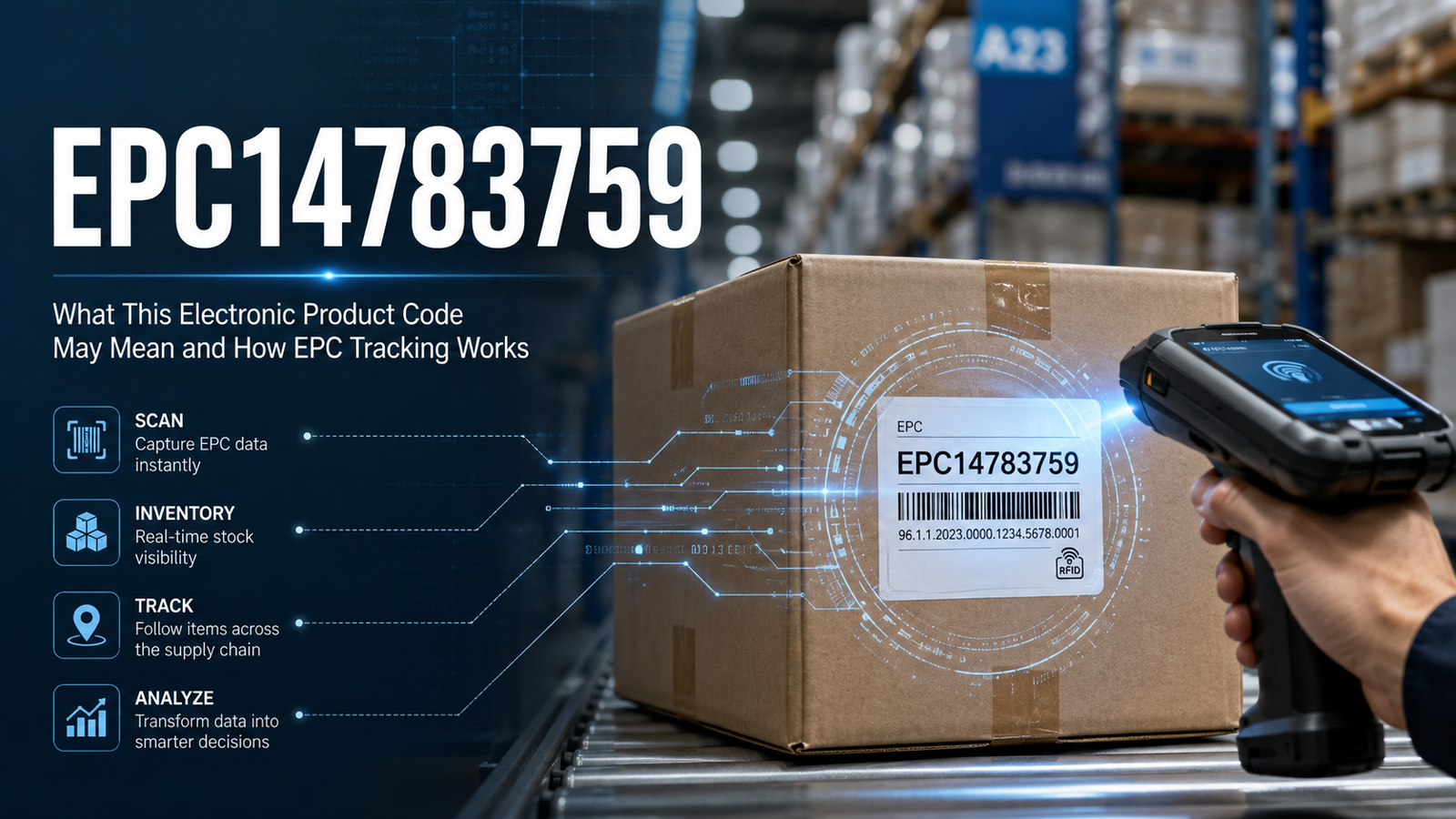
EPC14783759 appears to be an identifier connected with the broader idea of an Electronic Product Code, or EPC. Such codes are used in modern tracking systems to give physical items a digital identity. They can help companies follow goods through factories, warehouses, stores, and shipping networks. Yet the exact string EPC14783759 should not be treated as a confirmed GS1 product identifier unless its source and encoding format can be verified.
Electronic Product Codes are often linked with RFID technology. But the two terms do not mean the same thing. An EPC is identification data. An RFID tag is one type of physical data carrier that can store that identifier. GS1 describes EPC as a syntax used for unique identifiers assigned to physical objects and other entities used in business operations.
That difference matters. A number printed on a page, invoice, label, database record, or test system may resemble an EPC without being a complete standards-based EPC. Understanding the context is the best way to work out what a code actually represents.
What Is EPC14783759?
At a basic level, EPC14783759 looks like a reference code made from the letters “EPC” followed by a numeric value. It may be used as an inventory number, internal asset reference, test value, database ID, or shorthand representation connected with an Electronic Product Code system.
There is no reliable public record from GS1 that identifies this exact string as belonging to one named retail product, manufacturer, shipment, or company. For that reason, claims about its exact owner or product should be treated with care.
The wider EPC concept is well established.
GS1 defines the Electronic Product Code as an identification scheme for identifying individual physical objects. EPCs can be associated with trade items, assets, locations, logistics units, and other objects. GS1 also notes that an EPC always relates to a serialized item.
So the important part is not just the number. It is the system behind it.
What Does EPC Mean?
EPC stands for Electronic Product Code.
Think of it as a digital identity for an individual object. A normal product number may identify a type of item. An EPC can go further by helping identify one specific unit.
For example, thousands of identical products may share the same product type number. Serialization can give each physical unit its own identity.
GS1 explains that EPC forms a bridge between GS1 identification and RAIN RFID. One common approach involves serializing a Global Trade Item Number, or GTIN, so individual units can be distinguished from other units of the same product.
That makes EPC useful when businesses need item-level visibility.
A warehouse does not only know that it has a certain model of product. Its systems may know which individual units entered the building, where they moved, and when they left.
Is EPC14783759 an RFID Tag Number?
EPC14783759 may be associated with an RFID system, but an EPC and an RFID tag are not technically identical.
This is a common source of confusion.
The EPC is the identifier. The RFID tag is the physical device that can carry the identifier.
GS1 explains that an RFID tag can be attached to an object while EPC information is stored in the tag’s memory. The identifier can then be read by compatible equipment.
This setup lets businesses identify items without manually typing every number.
It also means an EPC could appear in information systems without someone seeing the physical RFID tag itself. EPCs have both binary forms suitable for RFID tags and text-based forms that can be exchanged between business systems.
So seeing an EPC-related value on a screen does not prove that the visible string is the exact raw value stored on a tag.
How Electronic Product Codes Work
The process starts when an organization gives an item a unique or serialized identity.
That identity may be encoded into an RFID tag. The tag is attached to a product, carton, pallet, asset, or another object.
A reader sends radio signals to compatible tags in its range. The tag responds with stored identification data. Software then processes that information and connects it with a business record.
The record might contain a product description, shipment status, warehouse location, batch information, or another piece of data.
This is why the EPC itself does not need to hold a full product manual or shipping history.
In many systems, the identifier acts more like a key. It tells software which database record to retrieve.
GS1 notes that a unique EPC can serve as a pointer to extra information stored in a database. It may also be converted into a URL through GS1 Digital Link standards when supported by the system.
Small code. Much larger record behind it.
What Information Can an EPC Contain?
The structure depends on the EPC scheme being used.
It is tempting to say every EPC contains the same four fields, such as a header, company number, product class, and serial number. That description fits some older explanations but is too broad for every modern EPC format.
GS1’s EPC Tag Data Standard defines EPC structures and explains how they correspond with GS1 identifiers and other codes. The standard also covers information stored on EPC-encoded RAIN RFID tags.
One widely known form is SGTIN, or Serialized Global Trade Item Number.
The basic idea combines information that identifies a trade item with a serial value that distinguishes one physical unit. GS1 specifically notes that the SGTIN EPC represents a GTIN together with a serial number.
Other EPC schemes exist for different business objects.
That is another reason EPC14783759 cannot be reliably decoded from its visible text alone. The encoding scheme and original source would need to be known first.
Why Businesses Use EPC Tracking
Large supply chains produce a lot of movement.
Products arrive. Workers move cartons. Pallets change locations. Orders leave loading bays. Returned goods come back.
Manual records can struggle with that volume.
EPC-enabled RFID can help automate identification. GS1 describes EPC-enabled RFID as technology that uses radio frequency identification for automatic identification of consumer products and other objects.
The main benefit is speed.
Instead of relying only on a worker to find and scan each printed barcode, compatible RFID systems can capture tag data through radio communication. That can make some inventory tasks faster and reduce repeated manual entry.
The exact results depend on the hardware, tag placement, software, warehouse design, and business process. RFID is not magic. Poor implementation can still create bad data.
But when the system is designed well, automated identification gives companies a clearer view of physical inventory.
EPC Codes and Inventory Accuracy
Inventory records are useful only when they match what is actually on the shelf.
This sounds obvious. It is also one of the hardest parts of large-scale logistics.
Imagine a company moving thousands of items each day. A missed scan or wrong manual entry can make software show stock in the wrong location.
Serialized identifiers can reduce ambiguity.
Instead of recording only “20 units of Product A,” a system can identify individual units. That allows businesses to compare physical movements with digital records at a more detailed level.
A value such as EPC14783759, when used inside a properly configured tracking platform, could act as the reference that connects one physical object with its database entry.
The usefulness comes from that connection. An isolated code tells you very little.
EPC Tracking in Warehouses and Shipping
Warehouses are a natural setting for electronic identification.
Goods can receive identifiers during production or packaging. Readers may then capture data when items enter storage areas, move through work zones, or pass through shipping points.
The same concept can extend beyond the warehouse.
A logistics company may use serialized data to maintain visibility as goods move between facilities. A retailer may use it for stock counts. A manufacturer may use it to identify components or finished goods.
EPC technology is not restricted to supermarket products either.
GS1 says EPC identification can apply to trade items, fixed assets, documents, reusable transport items, locations, and other types of physical objects.
That broad scope explains why an unfamiliar EPC-related reference cannot be identified safely from its number alone.
It might describe a product. Or it might not.
Can EPC14783759 Track a Package to Your Door?
Finding EPC14783759 near an order or shipping page does not automatically mean it is a public parcel tracking number.
Consumer tracking numbers from postal services and couriers are usually designed so customers can enter them into a tracking portal. EPCs serve a different technical purpose.
An EPC may identify an item inside a company’s supply chain system. That company could connect EPC events with shipment records, but the identifier itself does not guarantee public tracking access.
This distinction is useful.
If you find an unfamiliar EPC value on an invoice, product page, label, or software screen, first check where it came from. Look for a courier name, order number, SKU, GTIN, serial number, or tracking link nearby.
Do not assume every long number is meant for customer tracking.
The business that issued the document is usually the best source for explaining an internal reference.
EPC vs Barcode: What Is the Difference?
Barcodes and EPC-enabled RFID can both support product identification, but they capture data in different ways.
A normal barcode is read optically. The scanner needs to see the printed symbol well enough to decode it.
RFID uses radio communication.
An EPC can be encoded on a RAIN RFID tag, allowing compatible readers to capture its stored identity electronically. GS1 describes EPC as the bridge between barcode-based GS1 identifiers and RAIN RFID applications.
The two technologies can also work together.
A company may print barcode information on a package while storing related serialized identity data on an RFID tag. This gives different systems and users several ways to identify the item.
There is no need to think of barcode and RFID as strict rivals.
They solve overlapping problems in different ways.
How Much Data Does an RFID Tag Store?
People sometimes picture RFID tags as tiny hard drives carrying a product’s full history.
Most do not work that way.
Many simple tags store a relatively small amount of information. GS1 states that basic “license plate” RAIN RFID tags may carry a 96-bit or 128-bit unique identifier. Higher-memory tags can hold more information for specialized uses.
For standard inventory work, the identifier may be the most important piece.
Software can use that identifier to retrieve richer information from a database.
This design is practical. The physical tag stays small, while company systems can store far more data than would make sense to place directly on every tag.
So EPC14783759 should not be viewed as a container holding every detail about an item. If it belongs to a tracking environment, it would more likely function as a reference used by another system.
Can You Decode EPC14783759?
Not reliably from the visible string alone.
A standards-based EPC needs context. You need to know its actual format, scheme, encoding rules, and source data before attempting to break it into fields.
GS1 provides an official EPC Encoder/Decoder for translating supported Electronic Product Code representations according to its Tag Data Standard.
Standard EPC URI forms can also look quite different from the simple text shown here. GS1’s system architecture documentation notes that EPC URI syntax can begin with urn:epc:id: followed by information structured according to the Tag Data Standard.
That makes a key point clear.
A string beginning with “EPC” is not automatically proof that it is a complete GS1 EPC representation.
It could be a label created by a website, software platform, seller, test environment, or internal database.
Is EPC14783759 Safe or Suspicious?
The code itself is not evidence of a security problem.
A random identifier can look strange simply because most customers never see the internal codes used by inventory and logistics software.
Still, context matters.
If EPC14783759 appears in an unexpected email, text message, payment request, or unfamiliar website, do not trust the message only because it uses technical terms such as EPC, RFID, warehouse tracking, or inventory verification.
Check the sender. Visit the business through its known official website rather than an unexpected link. Compare the order details with your actual purchase.
And never enter payment details or passwords merely to “activate” an EPC number.
A real technical term can still be used inside a misleading message.
What EPC14783759 Tells Us About Modern Logistics
The main story behind EPC14783759 is not one mysterious number. It is the growing use of serialized digital identity in physical supply chains.
Modern logistics depends on knowing what an object is, where it should be, and which digital record belongs to it.
Electronic Product Codes help solve that identification problem.
They can connect physical goods with software records. RFID can make data capture faster. Databases can then attach business information to the identity that was captured.
GS1 standards give organizations common rules for representing these identifiers, including EPC formats designed for RFID and enterprise information systems.
But a code still needs context.
Without a verified issuer, scheme, or database record, EPC14783759 cannot safely be tied to a specific product, company, package, or delivery. The best description is therefore a possible EPC-related or internal identifier whose exact meaning depends on the system that produced it.
That may sound less exciting than claiming the code can reveal a package’s entire history.
It is also more accurate.
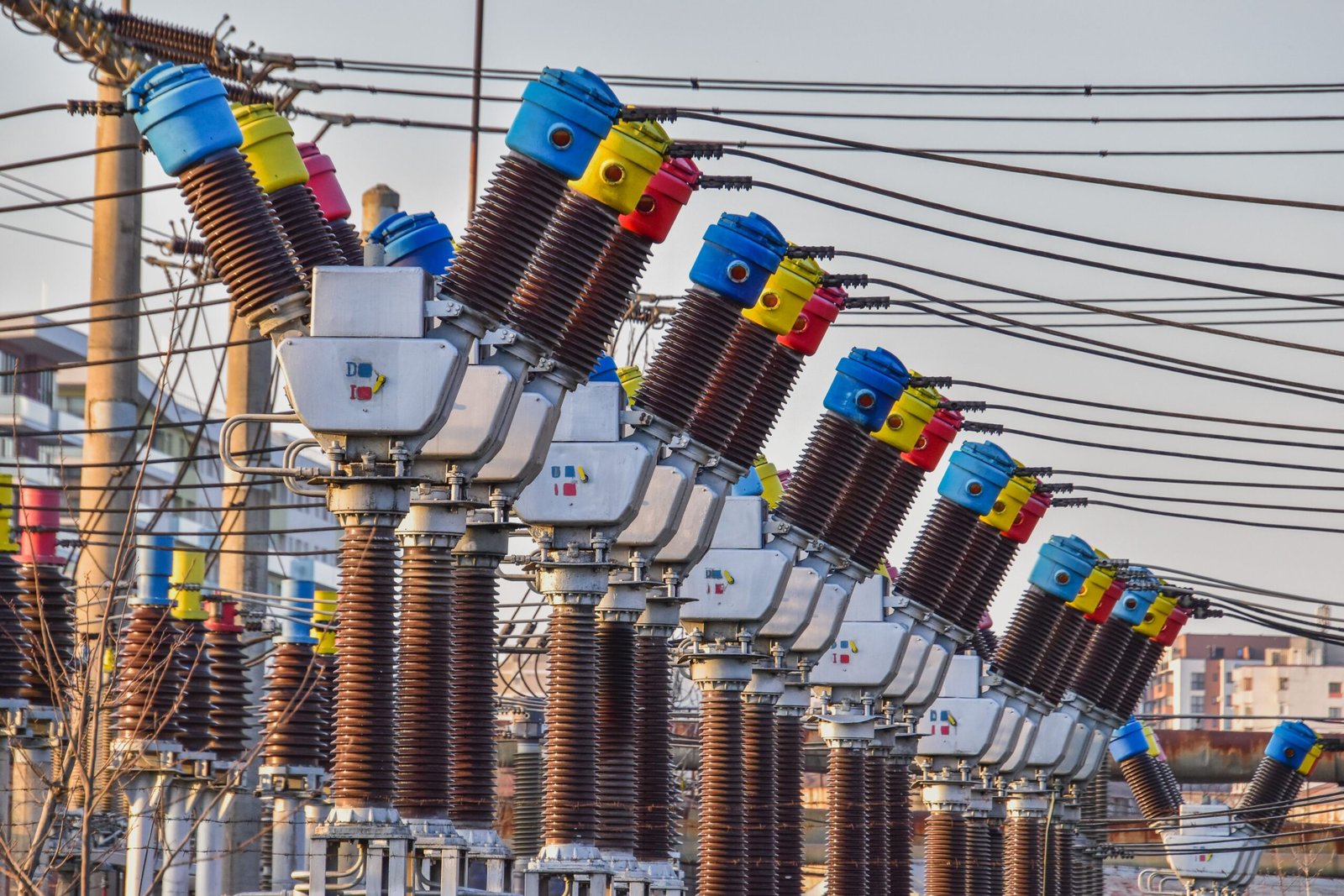
KBH 4 is an enclosed conductor system made to supply steady power to moving industrial equipment. It is often installed beside crane tracks, hoists, monorails, and automated storage machines. The number “4” points to a four-conductor layout inside the protected housing. This compact setup helps machines move while staying linked to a fixed source of electric power.
Unlike a loose cable, the system runs along a set path. A moving current collector slides through the rail and draws power from the copper conductors. This design keeps cables off the floor and away from many moving parts.
VAHLE offers the KBH range for indoor and outdoor use. Official product data describes it as a contact-protected conductor system with a gray plastic housing. Four-pole and five-pole forms are available for different electrical plans.
What Is KBH 4?
KBH 4 is a four-pole form of the VAHLE KBH enclosed conductor system. It carries electric current along a fixed rail and transfers that current to mobile machinery.
The rail contains copper conductors inside a hard plastic body. A collector travels within the opening of the rail. Contact shoes inside the collector touch the copper strips and pass power to the moving machine.
The housing limits direct contact with the live parts during normal use. It also keeps the conductors in a fixed position. This gives the system a clean and compact shape.
The setup is useful where a machine must move over the same route many times. A bridge crane is a clear example. The crane travels along a runway, yet it still needs constant power. The conductor rail follows that runway and feeds the crane as it moves.
What Does the Number 4 Mean?
The “4” in KBH 4 refers to the number of conductor poles in the housing. It does not state the rail length, voltage, or current rating.
A common four-pole layout may include three phase conductors and one protective ground conductor. The exact pole use depends on the electrical design, local rules, and machine needs.
Some systems may need a neutral conductor as well. In that case, a five-pole layout may be a better fit. VAHLE notes that the upper pole may serve as a neutral conductor when required. A protective ground conductor is needed for higher-voltage use.
The four-pole form is often enough for standard three-phase industrial loads. Still, engineers must confirm the pole plan before ordering any rail, collector, or feed unit.
A wrong pole count can lead to costly changes. It may also leave no place for a needed neutral or control line.
How the Conductor System Works
The working method is simple. Fixed copper conductors carry power through the rail. A mobile collector connects those conductors to the moving machine.
The main rail is mounted beside or below the machine track. The collector is linked to the machine through a tow arm. As the machine moves, the tow arm guides the collector through the housing.
Spring pressure keeps each contact shoe against its copper conductor. This allows current to pass during travel. Flexible cables then run from the collector to the machine’s electrical panel.
The collector must stay aligned with the rail. Poor alignment can increase contact wear. It may also cause rough movement, heat, or damage to the collector.
A full KBH 4 line may include straight rail sections, feeds, joint caps, hangers, end caps, collectors, tow arms, and expansion parts. Some routes may also need curves or transfer guides.
Each part has a set job. Together, they form a complete mobile power network.
Main Parts of a KBH 4 Installation
A standard system starts with the enclosed conductor sections. VAHLE lists a standard section length of four meters, though other lengths may be supplied. The housing is gray and can hold different copper sizes.
Joint parts connect one rail section to the next. Plastic joint caps cover these connection areas. They help protect the joint and keep the rail shape smooth.
A feed unit brings power into the rail. Installers may use an end feed or a line feed. An end feed enters at the end of the route. A line feed can supply power at another point along the run.
Hangers support the conductor rail. Some act as sliding hangers, while a fixed-point hanger controls the rail at a chosen position. This matters because plastic and copper expand as the temperature changes.
An end cap closes the open end of the conductor system. It helps block dirt and reduces the chance of accidental access.
The current collector is the moving link. It runs inside the rail and sends power through its cable to the crane, hoist, or other machine.
KBHF and KBHS Versions
The KBH range includes two main forms known as KBHF and KBHS. Both are offered in four-conductor and five-conductor layouts.
KBHF uses preassembled copper conductors with spring-loaded connectors. Official VAHLE data places this type in the 63 to 100 amp range.
KBHS also uses preassembled copper conductors. Yet its joints use bolted connections. This version covers ratings from 63 to 200 amps.
The right type depends on the load, duty cycle, route, and plant plan. A smaller hoist may not need the same current level as a large production crane.
The joint type also affects assembly and service work. Spring-loaded connections can support quick fitting. Bolted joints may suit higher current needs.
Engineers should never choose a version based on current alone. Starting current, voltage drop, travel length, and site heat must also be checked.
Where Is KBH 4 Used?
KBH 4 is made for machines that move along a fixed route. The rail follows the travel path and supplies power through the full operating area.
One of its most common uses is crane power. Overhead bridge cranes move loads across factories, warehouses, and repair sites. The rail can run along the crane runway and feed the bridge drive.
Electric hoists also use enclosed conductor systems. A hoist may travel across a beam while lifting material. The conductor rail removes the need for a long loose cable.
Monorail systems are another common use. These systems move parts between work areas. They need power at each point along the track.
Automated storage and retrieval systems can also use the KBH range. These machines move through tall warehouse aisles to store and collect goods.
VAHLE also lists machine tools and mobile lighting systems among the intended uses.
Why Enclosed Conductors Are Useful
Open conductor bars leave more of the system exposed to the work area. An enclosed design places the live conductors inside a shaped housing.
This does not remove every electrical risk. Yet it limits normal access to the copper parts and helps protect them from direct knocks.
The compact profile also saves space. Several conductors sit inside one housing rather than on separate supports.
A single rail body can be easier to align than several open bars. The shape helps guide the collector and keeps the conductor spacing fixed.
The system is also corrosion-resistant because much of its structure uses plastic. The copper still needs proper care, but the housing does not rust like bare steel.
Cable control is another benefit. A moving cable can sag, swing, twist, or catch on equipment. KBH 4 keeps the main power path fixed beside the machine route.
That makes the work area cleaner and may reduce cable damage.
Current Ratings and Copper Size
The current rating is one of the most important design points. A system must carry the machine load without too much heat or voltage loss.
VAHLE lists nominal current ratings from 63 to 200 amps across the KBHF and KBHS forms. The stated maximum conductor cross-section is 26 square millimeters.
These figures do not mean every rail can carry 200 amps. The exact limit depends on the chosen type and copper profile.
A designer must first find the normal running current. Motor starting current must also be considered. Cranes may start, stop, and reverse many times during a shift.
The route length matters too. Long runs can create more voltage drop. Feed position can reduce that drop. Some systems may need more than one feed point.
Ambient heat can lower the safe current level. A rail near a furnace may face very different conditions from one in a cool warehouse.
A sound design uses the manufacturer’s current tables, voltage-drop data, and local electrical rules.
Indoor and Outdoor Performance
The KBH system is suitable for both indoor and outdoor installation. The standard design carries an IP23 protection rating.
VAHLE also offers a sealing strip. With this part fitted, the system may reach IP24 protection. A heating option is available for cold sites and places where frost may form.
An outdoor rating does not mean the rail can be placed anywhere with no review. Wind, rain, ice, dust, salt, and chemical fumes may affect service life.
The rail should be installed in the correct direction. Water must not collect inside the housing. Feed boxes and cable entries also need proper seals.
Cold storage sites may need closer hanger spacing. VAHLE’s technical guide lists a maximum support distance of 1.33 meters for cold storage at or below 0°C. It also gives 1.33 meters for systems exposed to temperatures above 35°C. Indoor or roofed systems at 35°C or less may use support distances up to two meters.
These distances should be checked for the exact project.
Safety Features and Limits
The enclosed housing is a key safety feature. It helps stop casual contact with the conductors while the collector remains inside the rail.
Still, KBH 4 is not safe to touch just because it has a plastic body. The collector is considered touch-protected only when it is fully inside the conductor system.
If a collector can leave the rail during normal operation, live parts may become reachable. VAHLE states that a barrier or mains disconnection is needed where hand contact may occur. This warning applies above 24 volts AC or 60 volts DC.
Power must be isolated before service work. Workers should follow lockout and tagout steps. They should also test for voltage before touching internal parts.
The ground path must remain sound through the full route. Phase order must also stay correct at each joint.
The housing and collector shape help prevent phase reversal. Yet installers still need to test the completed line before use.
Planning a KBH 4 System
Good planning starts with the machine. Record its voltage, phase count, running current, starting current, travel speed, and duty cycle.
Next, measure the travel route. Include every straight section, curve, transfer point, and gap. Note where power can enter the system.
Check the site temperature. A large temperature change can cause the copper and support structure to expand at different rates. Long routes may need expansion sections.
The mounting surface also matters. Brackets must be strong and straight. A weak or uneven support can cause the rail to sag.
Collector travel should stay within the allowed alignment range. The tow arm must guide the collector without pushing it hard against one side of the housing.
The plan should also include service access. Workers need room to inspect joints, change collectors, and reach feed boxes.
Lastly, confirm the environment. Dust, water, chemicals, frost, and heavy dirt may call for sealing strips or other protective parts.
Installation Basics
Installers should begin with a clear route line. Brackets must follow the machine track and stay at the planned height.
Hangers are then attached at the required spacing. The rail sections can be fitted into these supports and joined in order.
Each conductor joint must be clean and fully connected. Loose joints can create heat. A poor joint may also damage the contact shoes.
The fixed-point hanger must be placed at the planned location. Sliding hangers should allow normal thermal movement.
Feed wires must match the expected current and protective device. Cable glands should hold the cable firmly without cutting its jacket.
The collector and tow arm are fitted after the rail is aligned. The collector should move through the full route without binding.
Before startup, technicians should test insulation, ground continuity, phase order, and supply voltage. They should also inspect all end caps and joint covers.
Only trained staff should install or change an KBH 4 power system.
Maintenance and Common Problems
Routine checks help the rail work for many years. The service plan should match the number of travel cycles and the site conditions.
Contact shoes wear during use. Their wear rate can rise when the rail is dirty or poorly aligned. Worn shoes may cause sparks or weak power transfer.
Collectors should move freely. A damaged guide wheel or bent tow arm can force the collector sideways.
Joints should be checked for heat marks, loose parts, or damaged covers. Dark marks may point to a weak electrical link.
Dust and oil can build up near the rail opening. Cleaning should use a method approved for the conductor system. Water or harsh chemicals should not be used without manufacturer approval.
Workers should also look for cracked housing, loose hangers, sagging rail, and damaged feed cables.
Frequent faults often point to a root cause. Replacing a contact shoe may not fix poor rail alignment. The full travel path should be checked.
How to Choose the Right System
The first choice is the pole count. Pick a four-pole layout only when the electrical plan truly needs four conductors.
Next, choose between KBHF and KBHS. The load range and joint design will guide this step.
Current rating must include real machine use. A crane that lifts heavy loads all day has a harder duty than one used twice a week.
Travel speed should match the collector. Transfer points, curves, and switches may require special parts.
The surrounding air also matters. A clean indoor plant has different needs from a wet yard or cold room.
System cost should include more than the rail price. Count feeds, collectors, brackets, hangers, expansion parts, installation time, and future spare parts.
A well-sized KBH 4 setup can offer stable power with a small profile. A poorly chosen one may suffer from voltage drop, wear, and service stops.
Final Thoughts
KBH 4 is a practical power supply system for cranes, hoists, monorails, and other machines that follow a fixed track. Its four conductors sit inside a gray plastic housing. A moving collector draws power while the machine travels.
The design keeps the power route compact and limits access to live conductors during normal operation. It can also reduce the need for loose moving cables.
Yet the product must be planned with care. Pole count, current, voltage drop, heat, rail length, and collector alignment all affect performance.
Correct installation matters just as much as product choice. When engineers follow the official data and use trained installers, KBH 4 can provide clean and steady mobile power in many industrial settings.
Frequently Asked Questions
What does KBH 4 mean?
It means a KBH enclosed conductor rail configured with four conductor poles. The number does not show the rail length or amp rating.
Who makes the KBH conductor system?
The KBH enclosed conductor system is part of the mobile power product range made by VAHLE.
Can KBH 4 be used outdoors?
Yes. The standard system is listed for indoor and outdoor use. Site conditions must still be checked before installation.
What machines can use KBH 4?
Common uses include overhead cranes, electric hoists, monorails, machine tools, storage systems, and mobile lighting equipment.
How much current can the KBH system carry?
Depending on the selected KBHF or KBHS version, official ratings cover a range from 63 to 200 amps. The exact rating must match the chosen conductor size and project conditions.

Homecz: A Complete Guide to the Home Connection Z Tech Smart Home Framework

EPC14783759: What This Electronic Product Code May Mean and How EPC Tracking Works

Jennifer Rodrigo: The Quiet Teacher Who Helped Shape Olivia Rodrigo’s Voice

All About Kristi Betts, The Life, Career, and Family Story of Chad Gable’s Wife

How Nicholas D’Agosto & Andrea Bricco Hooked Up: Their Love Story

Hudson Rechsteiner: Inside the Private Life of Rick Steiner’s Son and Brother of WWE Star Bron Breakker
-
 Entertainment2 months ago
All About Kristi Betts, The Life, Career, and Family Story of Chad Gable’s Wife
-
 Celebrity1 month ago
How Nicholas D’Agosto & Andrea Bricco Hooked Up: Their Love Story
-
 Entertainment2 months ago
Hudson Rechsteiner: Inside the Private Life of Rick Steiner’s Son and Brother of WWE Star Bron Breakker
-

 Celebrity1 month ago
Luca Celico Leite: Inside the Life of the Young Football Talent Following Kaká’s Legacy
-

 Sports2 months ago
Justin Tupper Biography: Net Worth, Family, Career, and Life With Torrie Wilson
-

 Entertainment2 months ago
Who Is Micah Diamond? Why Neil Diamond’s Son Chose Privacy Over Fame
-

 Celebrity1 month ago
Who Is Randy Fields? All About Debbi Fields’ Ex-Husband and Business Partner
-

 Celebrity2 months ago
Who Is Kathryn Burgum? The Untold Story Behind Doug Burgum’s Wife and Her Powerful Recovery Mission