
News
BodenXT: How Boden Is Building a Green and Smart Future


The BodenXT initiative is changing the future of Boden, a town in northern Sweden. It supports one of the biggest green changes in Europe. New industries, clean energy, and digital technology are coming together in one place. BodenXT helps guide this fast growth while making sure the town stays sustainable, welcoming, and ready for the future.
What Is BodenXT?
BodenXT is the development platform for the Municipality of Boden. It helps manage the area’s rapid growth. The platform brings together local government, businesses, investors, schools, and community groups.
The goal is simple. Build a modern town that supports people, business, and nature at the same time.
The region has entered a period of major change. Large industrial projects are creating new jobs and attracting people from around the world. That growth needs careful planning. Homes must be built. Roads must improve. Schools and healthcare must expand. Public services must keep pace.
BodenXT helps connect all of these efforts into one long-term plan.
Instead of treating each project separately, the platform looks at the whole picture. It supports economic growth while protecting the environment and improving daily life for residents.
Why Boden Is Changing So Quickly
For many years, Boden was known for its military history, forests, and cold climate. Today, it has become one of Europe’s most watched green investment locations.
Several factors have helped create this opportunity.
Northern Sweden has large amounts of renewable electricity. The region also has reliable infrastructure, available land, and a stable business environment.
Global companies want cleaner ways to produce steel, process data, and manufacture products. Boden offers the resources they need.
As investments continue, thousands of new workers, engineers, researchers, and families are expected to move into the municipality.
That level of growth brings exciting opportunities. It also creates major planning challenges. BodenXT exists to help guide that transformation in a balanced way.
The Green Industrial Revolution in Northern Sweden
Many experts describe northern Sweden as the center of a new industrial revolution.
Unlike earlier industrial booms that depended on coal and fossil fuels, this one focuses on renewable energy and lower carbon emissions.
Clean electricity powers factories.
Modern technology improves efficiency.
Digital systems help reduce waste.
Companies now look for locations where environmental goals match business goals. Boden fits that need.
The region has become an example of how economic growth and climate action can work together instead of competing against each other.
BodenXT supports this transition by helping industries, local leaders, and residents move in the same direction.
Stegra Is Leading a New Era of Green Steel
One of the biggest projects connected to Boden is Stegra’s green steel plant.
Steel production normally creates large amounts of carbon dioxide. Traditional factories rely heavily on coal during manufacturing.
Stegra plans to change that.
The company is building one of the world’s largest facilities designed to produce steel with much lower emissions by using renewable electricity and hydrogen-based technology.
This project represents billions of dollars in investment.
It also creates thousands of jobs during construction and long-term operations.
The impact reaches far beyond the factory itself.
Construction companies need workers.
Local businesses gain new customers.
Schools prepare students for future careers.
Housing projects expand across the municipality.
BodenXT works with many organizations to help the community prepare for this rapid development.
Hive Digital Technologies Expands AI Infrastructure
Another major force behind the region’s growth is Hive Digital Technologies.
Artificial intelligence requires enormous computing power.
Modern AI systems depend on advanced data centers that operate around the clock.
Northern Sweden provides several advantages for these facilities.
The cool climate helps reduce cooling costs.
Renewable electricity lowers carbon emissions.
Reliable infrastructure supports continuous operation.
Hive Digital Technologies has expanded its presence to support growing demand for AI computing.
This investment adds another layer to Boden’s economic development.
The municipality is no longer growing through one industry alone.
It now combines clean manufacturing, renewable energy, and digital technology into a diverse economy.
BodenXT helps coordinate that expansion so different sectors can grow together instead of competing for limited resources.
Building More Than Factories
Large investments bring much more than industrial buildings.
People need homes.
Children need schools.
Families need healthcare.
Workers need transportation.
Communities need parks, stores, sports facilities, and cultural spaces.
A successful town cannot depend only on economic growth.
It must also provide a high quality of life.
BodenXT supports planning in every one of these areas.
The platform encourages long-term thinking instead of short-term solutions.
New neighborhoods are planned with sustainability in mind.
Public transportation continues to improve.
Walking and cycling routes receive attention alongside road construction.
These decisions help create a town where people want to stay, not simply work.
Sustainability Is at the Center of Every Decision
Environmental responsibility sits at the heart of the BodenXT vision.
That commitment affects almost every major project.
Buildings aim to reduce energy use.
Construction methods continue to improve.
Renewable electricity powers new facilities whenever possible.
Green spaces remain part of urban planning.
The platform also promotes smarter resource management.
Better planning reduces unnecessary transportation.
Modern technology helps improve energy efficiency.
Digital tools make many public services easier to manage.
The goal is not only to reduce emissions today.
It is also to create systems that continue working well for decades.
Attracting Skilled Workers From Around the World
Major investments create thousands of jobs.
Many of those positions require specialized skills.
Engineers, software developers, construction workers, researchers, teachers, healthcare professionals, and technicians all play important roles.
Local education helps prepare future workers.
International recruitment fills additional needs.
As people move into Boden from different countries, the municipality must support successful integration.
Language training becomes important.
Community programs help new residents settle.
Schools welcome students from different cultures.
Employers work with local organizations to help families adjust.
BodenXT recognizes that successful growth depends on people just as much as infrastructure.
Communities become stronger when newcomers feel included.
Innovation Drives Long-Term Success
Technology continues to reshape nearly every industry.
Automation improves manufacturing.
Artificial intelligence speeds research.
Digital planning helps cities operate more efficiently.
BodenXT encourages innovation across many sectors instead of focusing on one technology.
Universities, research organizations, startups, established companies, and government agencies all contribute ideas.
This collaborative approach helps solve problems faster.
It also creates opportunities for future businesses.
Innovation is not limited to factories or data centers.
It also improves education, transportation, healthcare, housing, and environmental management.
By supporting continuous improvement, BodenXT helps prepare the municipality for challenges that may arise years from now.
Housing Growth and New Neighborhoods
Housing is one of the biggest needs linked to Boden’s growth. New workers cannot settle in the town without safe and suitable homes. Families also need access to schools, shops, parks, and public services.
The municipality must build at a much faster rate than before. Yet speed cannot be the only goal. New homes must fit the local climate and use energy with care.
BodenXT supports plans for both new housing areas and changes to existing neighborhoods. Apartments may suit young workers and students. Larger homes may better serve families who plan to stay for many years.
The work also includes roads, water systems, waste services, and public spaces. A neighborhood is not complete when the last wall goes up. It becomes complete when people can live well there.
The housing shortage remains a serious risk to Boden’s wider plans. Municipal leaders have warned that a lack of homes could slow business growth and make it harder to attract skilled workers.
Better Roads and Public Services
Fast growth places pressure on every part of a town. More people use the roads. More children enter schools. More patients need local health services.
Public systems must grow before they become crowded or weak. That takes money, land, workers, and clear plans.
BodenXT links industrial growth with local service planning. This helps the municipality see where new roads, bus routes, schools, and public buildings may be needed.
Safe travel is a key part of this work. Workers must reach large job sites. Children must travel to school. Older residents need easy access to shops and care.
Digital services can also reduce pressure on public offices. Simple online systems may help residents apply for permits, find local information, or contact municipal teams.
But technology cannot replace every human service. Boden must still hire teachers, care workers, planners, and other skilled staff as its population grows.
Skills, Training, and Local Careers
A large industrial shift needs people with the right skills. Some jobs require years of study. Others need trade training, short courses, or direct work experience.
Local schools and training groups have an important task. They can help young people prepare for new roles in steel, energy, construction, computing, and public services.
Adults may also need new skills. A person who worked in one field for years may find a new career in green industry. Good training can make that change less risky.
BodenXT helps bring employers and education groups closer together. This can reduce the gap between what firms need and what schools teach.
The long-term goal is not only to bring workers from outside Boden. Local people should also gain a fair share of the new jobs.
When residents can build careers near home, the whole community gains. Families stay together. Local spending grows. Young adults see a future in the region.
Social Growth Must Match Industrial Growth
A green factory does not create a green society on its own. Social needs matter too.
New residents may arrive from other parts of Sweden or from other countries. They need homes, language support, social links, and a clear path into local life.
Long-term residents may also feel unsure about fast change. Traffic may increase. familiar areas may look different. Housing costs may rise.
Boden must listen to both groups. Growth works best when people feel that they have a voice.
The Boden Sustainability Center is one effort designed to strengthen the human side of the transition. The municipality secured funding in 2026 for work tied to skills, inclusion, and social sustainability over a three-year period.
This focus matters. A town may gain new factories and still lose trust if residents feel ignored. BodenXT must help make growth fair, open, and useful for the wider public.
How BodenXT Supports Local Business
Large companies often receive most of the public attention. Yet small and mid-sized firms also shape the local economy.
New workers need food, transport, repairs, childcare, and many other services. Construction sites need tools, safety gear, cleaning, and skilled labor.
This creates new chances for local firms. Some may grow. Others may change their services to meet new demand.
Entrepreneurs may also enter the market. A growing town can support new cafés, stores, housing services, health firms, and digital companies.
BodenXT can help connect local businesses with larger projects and public plans. Clear information gives smaller firms time to prepare.
A broad business base also protects the town. If Boden depends on one company or one sector, a future downturn could cause deep harm.
Research on the “Boden model” has pointed to the value of a wider regional labor market, where Boden and nearby Luleå support each other and reduce reliance on a single industry.
The Role of AI and Data Centers
Green steel is one part of Boden’s new economy. Digital systems are another.
HIVE Digital Technologies has operated in Boden since 2018. The company has used renewable-powered data infrastructure in the region and is expanding its focus on AI and high-performance computing.
In June 2026, HIVE announced plans to acquire a 32-megawatt data center in Boden. The company also outlined plans tied to more advanced computing services.
These projects may bring skilled jobs and new technical knowledge. They can also help build a stronger digital business network.
Yet data centers use large amounts of power. They also need cooling, land, secure networks, and careful resource planning.
BodenXT must consider those needs beside the demands of homes, public services, and heavy industry. Clean power is a major strength, but it is not unlimited.
Good planning will help Boden gain the benefits of AI growth without placing too much strain on local systems.
Challenges Behind the Green Vision
The scale of the transition creates real risks. Plans may change. Building costs may rise. Global markets may slow.
Major industrial projects also depend on funding, permits, power supply, workers, and strong demand. A delay in one area can affect many other plans.
The municipality must avoid building too much too soon. It must also avoid moving so slowly that housing and services fall behind.
Environmental questions remain important. New roads and buildings can affect land, forests, water, and wildlife. Clean industry still has a physical impact.
Public trust may become another challenge. Residents need clear facts about costs, risks, and timelines. Vague promises will not be enough.
BodenXT cannot remove every risk. Its value comes from bringing different plans together and helping leaders respond before small problems become larger ones.
Why the Stegra Project Matters
Stegra, formerly called H2 Green Steel, is building an integrated plant in Boden for green hydrogen, green iron, and green steel. The company changed its name in September 2024.
Traditional steel plants often use coal to remove oxygen from iron ore. That process creates heavy carbon emissions.
Stegra plans to use hydrogen made with renewable electricity. The hydrogen will help turn iron ore into iron with far lower fossil emissions.
The Boden facility is designed to include one of the world’s largest electrolyzers. Stegra says the site will produce more than 100,000 tonnes of green hydrogen each year.
This makes the project important far beyond northern Sweden. If the model works at scale, it may help other steel producers cut emissions.
For Boden, the plant is also a major source of jobs, investment, and population growth. It is the main force speeding up the work led through BodenXT.
A Model Other Towns Can Study
Many towns want green growth. Few face change on the same scale as Boden.
The local transition joins heavy industry, renewable power, housing, education, public planning, and digital infrastructure. Each part depends on the others.
This makes Boden a useful real-world test.
Other regions can study how the municipality handles housing pressure. They can review its work on worker training and public services.
They can also learn from its mistakes.
The official BodenXT platform describes the project as a broad green shift for the whole society, not just an industrial plan. Stegra acts as a major accelerator, while the municipality works to create changes that can last for future generations.
That wide focus is what makes the idea different. The goal is not to place a green label on one factory. It is to change how a whole community lives, works, and grows.
The Future of BodenXT
The next few years will test every part of the plan.
Boden needs more homes, skilled workers, schools, transport, and public services. It must support large firms while protecting local businesses and residents.
It must also keep its climate goals at the center of each choice.
Success will not come from one company or one public office. It will require steady work from employers, schools, planners, residents, and regional partners.
BodenXT gives these groups a shared platform. It helps connect industrial projects with the needs of daily life.
The full result may take decades to see. Some plans will likely change along the way. That is normal in a project of this size.
What matters is whether Boden can grow without losing the values that made the region attractive in the first place.
Conclusion
BodenXT is more than a business campaign. It is Boden’s plan for managing one of the fastest social and industrial changes in modern Sweden.
The platform connects green steel, renewable power, AI data systems, housing, skills, and public services. It also places people at the center of the work.
Stegra and HIVE Digital Technologies are major parts of this growth. But factories and data centers tell only part of the story.
The real test is whether residents gain better jobs, strong services, safe homes, and a healthy place to live.
BodenXT offers no easy answer to every problem. Still, it gives the municipality a clear way to plan, work with partners, and face risks early.
If the effort succeeds, Boden may become more than a center for green industry. It may show other towns how climate action, technology, and community growth can move forward together.
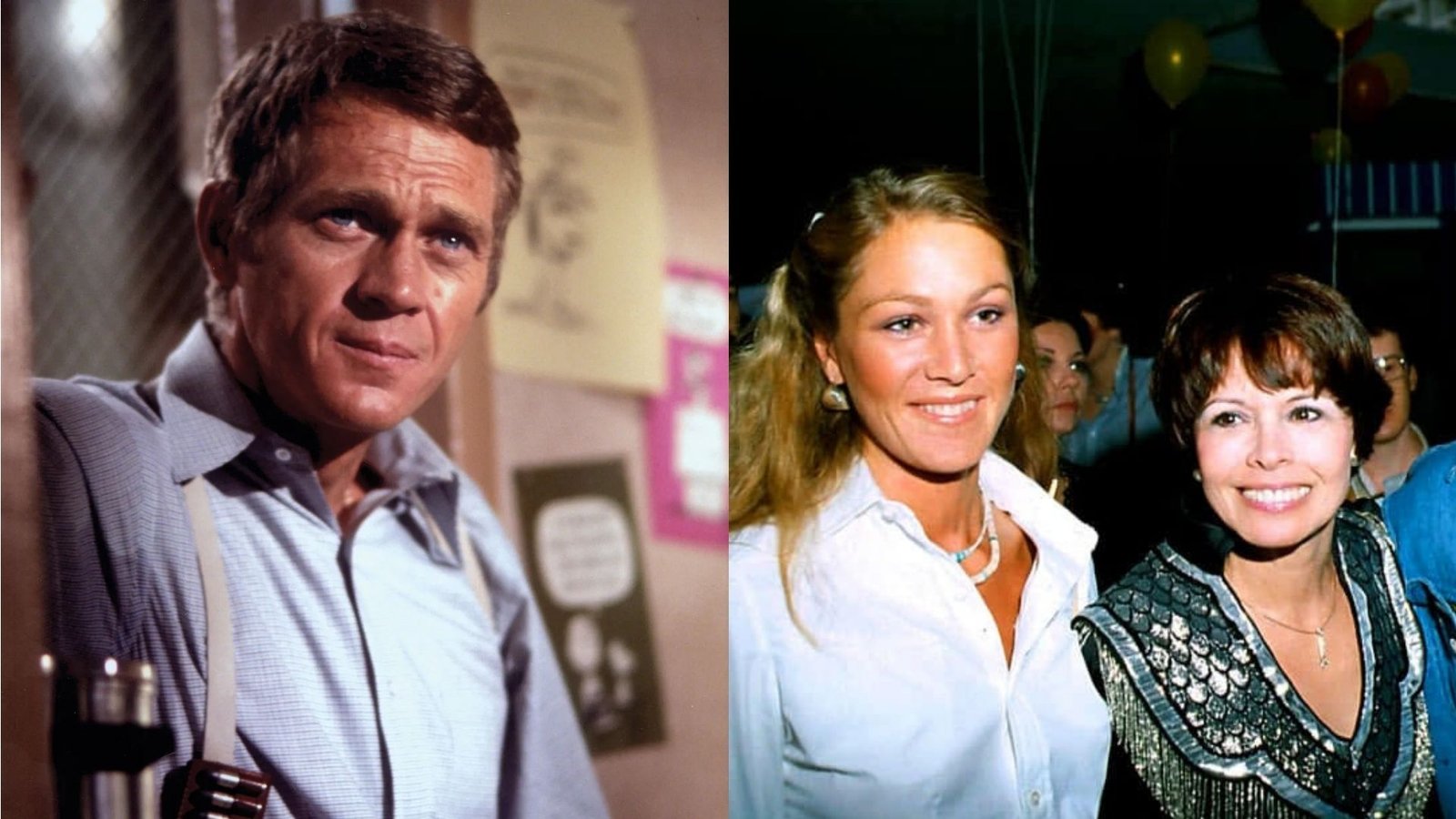
Terry McQueen lived close to Hollywood fame from birth. She was the daughter of Steve McQueen, one of America’s biggest movie stars. Yet her own life took a quieter path. She worked behind the scenes and ran a film company in Malibu. She was a mother, wife, and daughter who faced hard years away from the cameras.
Born Terry Leslie McQueen in Los Angeles, she grew up in a famous family. Her mother, Neile Adams, was an actress and dancer. Her father was known for films, cars, and a strong screen image. Terry and her younger brother, Chad, also spent time around movie sets. Those years gave them a close look at the work behind Hollywood.
Her story is also marked by loss and courage. Her father died when she was only 19. Years later, she built a work life of her own. She became a business executive and led a Malibu film company. She also raised her daughter, Molly, while dealing with serious health problems. Her life ended in 1998, at only 38.
Terry McQueen and the Life Behind Public Fame
She was born on June 5, 1959, in Los Angeles, California. Her birth name was Terry Leslie McQueen. She entered a world already linked to show business. Her father had begun to build the career that would make him famous.
Her father, Steve McQueen, was not just a movie star. He became a major name in American film. He was known for films such as Bullitt, The Great Escape, and The Thomas Crown Affair. He also loved racing and cars. That interest became part of family life for Terry and Chad.
She did not follow the same path as her father. She did not build a long acting career. Instead, she chose work behind the scenes. That choice gave her a life in film without making her the center of it.
Clarifying the Identity of Terry McQueen
People often know the producer because of her famous last name. She was Steve McQueen’s daughter and Chad McQueen’s older sister. That family link kept her close to public interest for years.
Still, her own work matters when telling her story. The Los Angeles Times described her as the head of a Malibu film production company. That role shows that she was active in business and film work. She was not known only as a star’s daughter.
She also appeared in a few screen projects as herself. These included Relatively Speaking and Hollywood Greats. She also appeared in material about her father. These credits were small compared with her business work.
Her life was therefore split between two worlds. One was the public world tied to her father. The other was her private work, home, and family. The second world was much more important to her daily life.
Her childhood also gave her a clear view of fame. Fame could bring travel, work, and public interest. It could also make simple family moments harder. She saw that difference while growing up with a famous father.
The family spent time in California, where film work was close. Malibu later became part of her own work life. That setting linked her personal world with the film business. Still, she kept much of her home life away from public view.
Early Beginnings and Family Roots of Terry McQueen
She grew up as the first child of Steve McQueen and Neile Adams. Her younger brother, Chad, was born in 1960. The children spent time with their parents and around the film world. They also saw the less public side of a famous family.
Her mother, Neile Adams, had a career in entertainment before and during her marriage. Neile Adams worked as an actress, singer, and dancer. Her father had a much larger movie career. This gave Terry a childhood shaped by two working parents in show business.
The family also had links to racing. Steve McQueen loved motorsports and spent time around race tracks. His children saw that interest at a young age. Terry and Chad were around their father during parts of his film work and racing life.
Her father’s fame brought attention, but it also brought loss. Steve McQueen died in 1980 after a battle with cancer. Terry was 19 at the time. Losing him at that age changed the family forever.
Education and Personal Background of Terry McQueen
Available records say Terry studied at UCLA. She earned a degree connected to fine arts, film, and television production. Her education matched the kind of work she later chose. She learned about the creative side of the industry without becoming a major on-screen star.
That path made sense for someone raised around film sets. She knew how movies were made and how teams worked. She also had a family name that could open doors. Even so, she built her career mainly away from the camera.
Her education also helps explain her work as a business leader. Film companies need more than actors and directors. They need people who can plan projects, manage teams, and handle business needs. Terry moved into that side of the industry.
Few public records give details about her college years. That is common with people who lived outside the spotlight. Much of her adult life stayed private, even though her family name was famous.
Her degree also gave her useful film knowledge. She could understand both creative and business needs. That mix helped her work with production teams. It gave her a role beyond the family name.
The Career Journey of Terry McQueen
She worked as a business executive in the film world. Her best-known role came through Red Line, a Malibu-based production company. The Los Angeles Times reported that she headed the company before her death.
The company had film projects in progress in 1998. That detail shows that her career was active near the end of her life. She was not simply connected to Hollywood through her father. She was helping manage film work herself.
Her job likely involved many parts of production and business. Yet public sources do not give a full list of her daily duties. It is better to keep the record simple. She led a production company and worked behind the scenes.
That career choice also gave her some distance from fame. She could work in film without facing the same level of public attention. In many ways, this was a different kind of Hollywood life.
Professional Skills and Major Work of Terry McQueen
The strongest public record about Terry centers on leadership. She ran a film production company in Malibu. That required business skills and an understanding of film work. It also placed her in a position to guide projects.
Her work was different from the work of her father. Steve McQueen was known for acting and racing. Terry worked more quietly as an executive. Her role shows how family members can choose very different careers.
The company had two film projects underway when she died. Public reports do not provide enough detail to list them safely. There is no need to add guesses about titles or final outcomes.
Terry also had a few television and film appearances. She appeared as herself rather than building a full acting career. Those appearances helped connect her to the public story of her family.
Her work also shows a practical side of the film business. A production company must keep plans moving from start to finish. It must deal with people, money, schedules, and creative work. Terry took part in that business side rather than chasing stardom.
That choice may explain why fewer details survive today. Her work did not create the same press coverage as acting. News reports focused more on her family name and later illness. The record of her career is smaller, but it is still clear.
Important Projects That Shaped Her Career
The most important work linked to Terry was her role at Red Line. She helped lead the company during the final years of her life. That work kept her active in the film business while she raised a young child.
Her work is sometimes mixed with later projects linked to the McQueen family. That can create confusion. Terry did not found McQueen Racing. Her brother Chad later founded that company in 2010, long after Terry had died.
This point matters when looking at her legacy. Terry’s connection to racing came through her father and family. She did not run the later company herself. Chad carried that part of the family story forward.
Her own work stayed focused on film and business. That makes her career worth viewing on its own terms. She had a role in the industry before her early death.
How Terry McQueen Met Dennis Flattery
Public records confirm that Terry married Dennis Flattery. They do not provide a clear, trusted account of how the pair first met. It would be wrong to create a meeting story without strong evidence.
The marriage took place in 1985. Dennis and Terry later became parents to one daughter. Their family life stayed mostly out of the public eye.
The lack of public detail is important. Many celebrity families have private parts that were never reported. Terry was famous because of her family, but she did not live as a constant public figure.
Her marriage was one part of a larger adult life. She had work, family duties, and personal struggles. These parts often mattered more than her connection to Hollywood fame.
The Marriage of Terry McQueen and Dennis Flattery
Terry married Dennis Flattery in 1985. Public records list the marriage and their child. Later records describe the marriage as ending in divorce. Details about the relationship itself remain limited.
That privacy gives the marriage a different place in her story. It was not a highly public celebrity union. Terry did not spend her life giving the public a close view of her home.
The couple’s daughter was Molly McQueen Flattery, born in 1987. Molly was still young when her mother died. She later grew up with a strong link to the McQueen family.
Terry’s role as a mother was important during her final years. Her work continued, but so did her family duties. She was raising a child while facing serious health problems.
Key Turning Points in Their Relationship
The birth of Molly changed Terry’s family life. She became a mother in her late twenties. Her daughter was still very young when Terry’s health became a major concern.
Another major change came after Terry’s father died. Steve McQueen’s death in 1980 came when Terry was only 19. That loss came before her marriage and before she became a mother.
Her later health problems also shaped her final years. She underwent a liver transplant in November 1997. Her mother said she had recovered well from that operation before her later decline.
These events show a life with major changes in a short time. Terry lost her father young, built a career, became a mother, and faced serious illness. She died before she had the chance to see her daughter grow up.
Family Life and Children of Terry McQueen
Family was a key part of Terry’s life. She was the daughter of Steve McQueen and Neile Adams. She was also the older sister of Chad McQueen. Her family included people from film, dance, and motorsports.
Her daughter Molly was her only child. The Los Angeles Times reported that Molly was 10 when Terry died. After Terry’s death, her mother and stepfather helped raise the child.
Terry also had wider family ties outside Hollywood. Her mother’s family connected her to Isabel Preysler. That made her a relative of singer Enrique Iglesias. These links added another layer to an already well-known family tree.
After her death, her daughter remained part of the wider family story. Molly later entered the entertainment world as an actress and writer. This gave the family another link to film. It also meant that Terry’s memory stayed close to later generations.
Her brother also kept their father’s racing legacy active. His later work helped keep the McQueen name tied to cars. Terry’s own path was different, but both paths came from the same family roots.
Still, family fame did not define every part of Terry’s life. She had her own work and home life. Her daughter remained one of the most important parts of that private world.
How Terry McQueen Handled Public Attention
She lived with a famous family name from childhood. Her father was one of the best-known actors of his era. That made public attention hard to avoid.
She did not seek the same level of fame as her father. Her career stayed mostly behind the scenes. Her public record is much smaller than his.
She also did not leave a large body of interviews. That means there is less direct material about her views and daily life. Good biography writing must respect that gap.
The record shows a picture. She worked in film, raised a daughter, and stayed close to her family. She lived a life that was more private than her surname might suggest.
Private Lifestyle and Interests of Terry McQueen
Her private life is not well documented. Reliable sources focus more on her work, family, and health. There is little solid information about hobbies, daily routines, or personal tastes.
Her childhood did include film and racing settings. Her father’s love of cars was part of the family environment. Yet Terry chose a different professional route from her brother Chad.
She also spent part of her adult life in Malibu. Her work at Red Line tied her to the local film community. That gave her a place in Hollywood without making her a major public star.
It is useful to keep the private record simple. There is no need to fill missing details with guesses. What is known already tells an important story about her life.
Where Is Terry McQueen Today?
Terry died on March 19, 1998, at age 38. She died at UCLA Medical Center in Los Angeles. Her cause of death was respiratory failure after serious health problems and a liver transplant.
Her mother said Terry had faced many medical problems in recent years. She had undergone a liver transplant in November 1997. She had been reported to have recovered from the operation before her final illness.
Terry was laid to rest at Pierce Brothers Westwood Village Memorial Park in Los Angeles. Her death ended a life that had already crossed film, business, family, and fame.
A Legacy Beyond the McQueen Name
Her legacy rests on more than being Steve McQueen’s daughter. She worked in film and led a production company. She also raised a daughter and built a family life of her own.
Her story is easy to miss beside her father’s huge career. Steve McQueen remains a major name in classic Hollywood. Terry’s work was quieter, but it still had value.
Her family continued to keep parts of the McQueen story alive. Chad later built a career in acting and racing. He also founded McQueen Racing in 2010, carrying the family’s love of motorsports into a new era.
Terry’s life ended before she could see that later work. Even so, she remains part of the family history. Her place in that story is personal, professional, and lasting.
Final Thoughts on Terry McQueen
Terry McQueen lived only 38 years, but her story had many parts. She grew up beside a famous father and chose a quieter path. She worked in film, led a business, married, and became a mother.
Her life also shows how fame can hide private struggles. The public knew her family name, but much of her own life stayed out of view. Her work and family mattered more than constant attention.
Her death in 1998 brought a sad end to a young life. Yet her memory remains through her daughter, her brother, and her place in the McQueen family story. She was more than a famous actor’s daughter. She was a working professional and a mother who built a life of her own.
Who was Steve McQueen’s daughter?
Terry McQueen was the daughter of actor Steve McQueen and actress Neile Adams. She worked in film business and led a Malibu production company. She was also the mother of one daughter.
When was Steve McQueen’s daughter born?
She was born on June 5, 1959, in Los Angeles, California. She died on March 19, 1998, at age 38. Her life lasted less than four decades.
Was Steve McQueen’s daughter married?
Yes. She married Dennis Flattery in 1985. They had one daughter, Molly McQueen Flattery. Public records later listed the marriage as ending in divorce.
Did Steve McQueen’s daughter found McQueen Racing?
No. Terry did not found McQueen Racing. Her brother Chad founded the company in 2010. Terry died in 1998, many years before the company began.
How did Steve McQueen’s daughter die?
Terry died from respiratory failure at UCLA Medical Center. She had faced serious medical problems and had a liver transplant in 1997. Her mother said she had recovered from that operation before her final decline.
News
Dusty Rhodes’ Eldest Daughter Kristin Runnels Ditto: The Quiet Drive Behind a Famous Wrestling Family
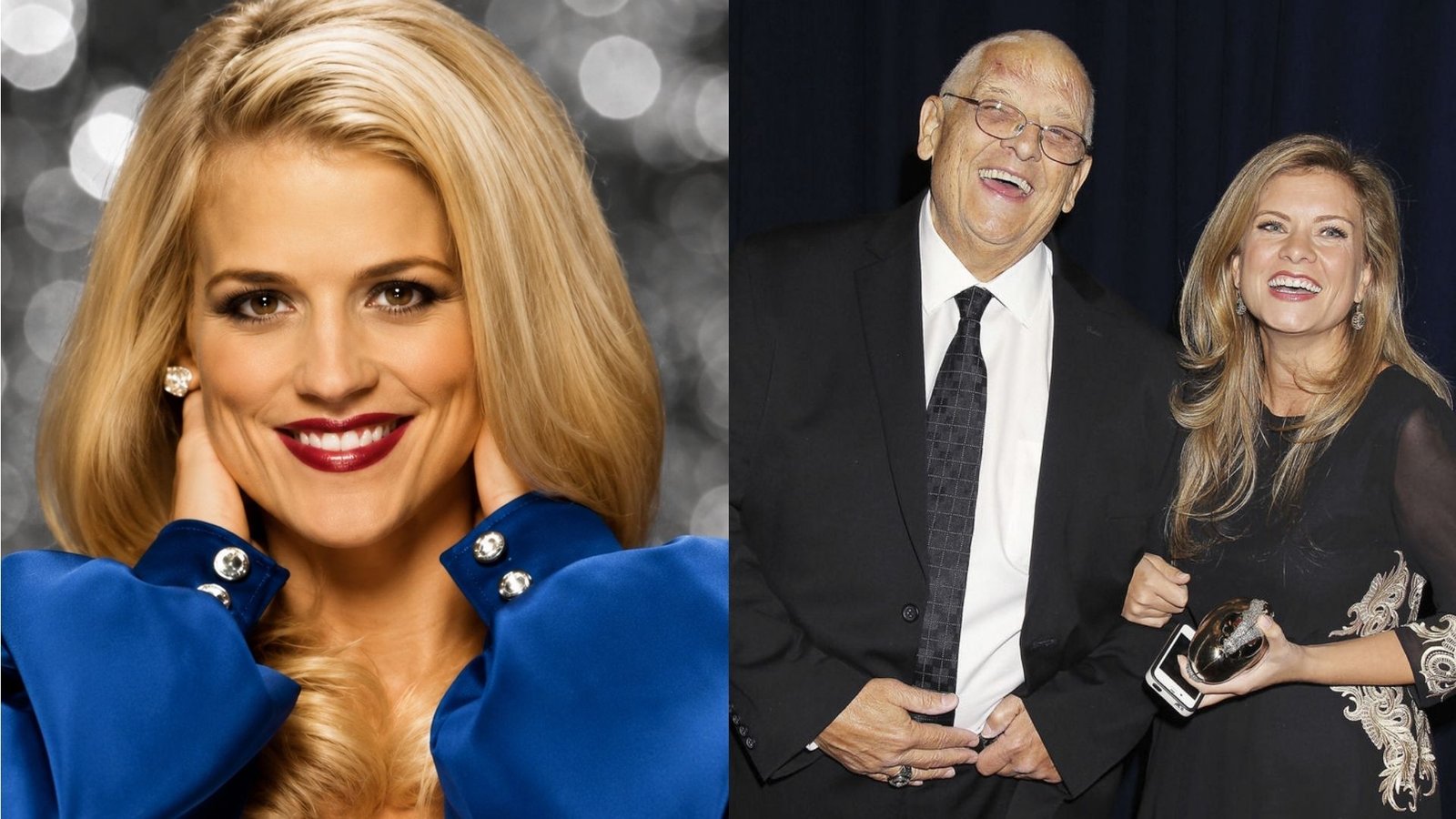
Kristin Runnels Ditto grew up near one of wrestling’s loudest stars. Yet she chose a path built on dance, business, and family work. Her name reaches far beyond that family connection.
She is the daughter of Dusty Rhodes, known worldwide as “The American Dream.” She is also the sister of Dustin Rhodes and half-sister of Cody Rhodes and Teil Runnels Gergel. Fame touched her life at an early age. Still, she did not make wrestling her main career.
Her public record shows several clear parts of her life. She danced for a major NFL cheer team. She later worked in sports events, team image, health services, and brand growth. She has also shared family memories in film projects about wrestling history.
Kristin Runnels Ditto and the Life Beyond Wrestling Fame
Many people first learn her name through the Rhodes family tree. Her father became a major star in American pro wrestling. Her brothers later carried that name into new eras of the sport.
But she built her own work outside the ring. She used dance, public events, sales, and brand planning as career tools. These jobs required skill, calm focus, and strong people skills.
Her life also shows a different side of a wrestling family. Not every member wanted a match, a belt, or a weekly TV role. She found value in work that happened away from the main show.
That choice gave her more control over public life. It also let her support the family without copying its best-known career. Her story rests on both family pride and personal freedom.
Clarifying the Identity of Kristin Runnels Ditto
She is the eldest daughter of Dusty Rhodes and his first wife, Sandra McHargue. She shares both parents with Dustin Rhodes. Cody Rhodes and Teil Runnels Gergel are her younger half-siblings.
Some online pages mix up the family links. The simple facts are clear. Dustin is her full brother, while Cody and Teil are her half-siblings through their father.
Her last name also causes some confusion. Runnels was the family birth name. Rhodes became the famous ring name tied to her father and later to her brothers.
Ditto is her married surname. Public records and media credits often use the full name Kristin Runnels Ditto. That form also makes her place in the Rhodes family easy to see.
Early Family Roots of Kristin Runnels Ditto
Her father was born Virgil Riley Runnels Jr. in Austin, Texas. He later became Dusty Rhodes, one of wrestling’s most loved talkers and performers. His work often kept the family near arenas, travel, and public fans.
Her mother, Sandra, was Dusty’s first wife. Their marriage ended while the children were still young. Public sources give few details about Kristin’s daily childhood, so firm claims should stay limited.
Growing up with a famous parent can bring pride and strain. Fans may see the bright lights, but children also see long trips and missed time. Her later public comments suggest strong care for her father’s memory.
She also shared early family life with Dustin. He later entered wrestling and built a long career under several names. Their bond came before the public fame that shaped the larger family.
A Different Place in the Rhodes Wrestling Dynasty
The Rhodes name holds a rare place in pro wrestling. Dusty became a world champion, booker, trainer, and public speaker. His plain style helped fans see him as one of their own.
Dustin followed him into the ring and later became known as Goldust. Cody built another major career and helped form All Elite Wrestling before returning to WWE. Teil stayed more private but remained tied to family events.
Kristin did not chase an active ring career. That fact makes her role in the family more distinct. She stood close to wrestling history without making it her full-time stage.
She has still appeared in family photos, tribute events, and film interviews. These moments help fans understand Dusty as a father, not only a star. Her view adds depth to the public family story.
The family name also came with strong public hopes. Fans often expect each child to follow the same road. Her choices showed that family pride does not require one shared job.
She could support her father and brothers without entering matches. That role may look quiet, but it still matters. Every famous family needs people who guard its private history.
The Dallas Cowboys Years of Kristin Runnels Ditto
Her best-known work as a performer came with the Dallas Cowboys Cheerleaders. Records list her rookie season as 1998 to 1999. She remained with the team for a second season.
The job demanded far more than game-day dance. Team members trained for long hours and kept strict fitness rules. They also made public visits and represented a global sports brand.
That work placed her in another famous Texas group. The cheerleaders carried their own strong image and long history. Making the team required sharp dance skill, timing, and stage control.
Her time there also gave her useful business lessons. She saw how sports, media, live shows, and public image worked together. Those lessons later fit her work in team events and brand planning.
Dance gave her a public role, but it also built work habits. A performer must learn routines, take notes, and stay calm under pressure. A small mistake can become clear in a large stadium.
She also had to work as part of one unit. The best team dance does not depend on one person. It depends on trust, timing, and shared effort.
Those skills move well into business. A leader must read a room, meet a deadline, and keep a group focused. Her later roles show that she carried those habits into new fields.
Her former performer status is worth noting for another reason. She earned public notice through her own work before online family pages became common. That part of her life was not borrowed from wrestling.
The Business Career of Kristin Runnels Ditto
Her professional profile describes her as a global entrepreneur. It links her to work in sales, marketing, team growth, wellness, and lifestyle brands. Much of that work has centered in the Austin area.
She has used the name kDreamLiving for a long-running business platform. Public descriptions connect it with property, lifestyle ideas, and brand work. The exact range of services has changed over time.
She has also worked with health and beauty firms. These roles include medical skin care, body care, and brand support. Such work often joins client service with sales and public trust.
Her career does not fit one simple label. She has moved between sports, beauty, wellness, and local business. The common thread is her skill at building links between people and brands.
Professional Skills That Define Kristin Runnels Ditto
Her public career points to several useful strengths. She has experience with live events, team image, customer care, and sales. She also knows how public names can shape business trust.
In 2010, the Texas Stars named her Ice Girls Coordinator. The role placed her in charge of a sports dance team linked to minor league hockey. It joined her dance past with team leadership.
A coordinator plans more than routines. The job can include auditions, team rules, event needs, and public visits. It also requires clear talks with staff, dancers, and sponsors.
This move marked a key career step. She shifted from performer to leader. It showed that her value came from planning and judgment, not only stage skill.
This work also put her near young performers with big goals. A team leader must set fair rules and give direct feedback. She must also protect the group’s image during public events.
Her own time on the field gave her useful insight. She knew the pressure before she managed it. That experience likely made her guidance more practical and clear.
Projects That Expanded Her Work
Her work has included roles tied to sports events and public brand teams. Reports connect her with the Texas Stars Ice Girls and event work near Austin. These roles used both show skills and business care.
She has also taken part in health and skin-care projects. Public career pages list work with firms focused on clean products and medical beauty. Those fields require careful client talks and clear product facts.
Lifestyle branding gave her another lane. Through kDreamLiving, she could connect home, health, and personal goals. The name suggests a broad plan rather than one narrow service.
Not every project has a full public record. That is common for private firms and contract roles. The known work still shows a long pattern of building brands behind the scenes.
Kristin Runnels Ditto and Her Marriage to Don Ditto
Public family records identify her husband as Don Ditto. The couple has kept most details of their relationship private. Reliable sources do not give a clear wedding date or full dating story.
That lack of detail should not be filled with guesses. Their marriage is known through family records and public mentions. The private parts of their story remain their own.
Her married name became part of her public and work identity. It appears in cheer records, media credits, and business pages. This has helped separate her career from the ring name used by her family.
The couple appears to have built a home life in Texas. Public material gives only a broad area, not a private address. That limit protects the family while still showing her Texas base.
Family Life and Children of Kristin Runnels Ditto
Public family records name two sons, Dalton and Dylan. They are part of Dusty Rhodes’ group of grandchildren. The boys have stayed mostly outside major media coverage.
Their mother appears to value that quiet space. She shares family pride at times, yet she has not built a public brand around her children. That choice keeps their lives from becoming fan content.
Family events still connect several parts of the Rhodes clan. Weddings, tributes, and major wrestling nights can bring relatives together. Yet each branch of the family keeps its own daily life.
Motherhood also fits her wider work story. She built a career while raising children and managing public family ties. The full details remain private, but the balance is clear.
Kristin Runnels Ditto and Her Bond With Dusty Rhodes
Dusty Rhodes died on June 11, 2015. His death led to wide grief across wrestling. For his children, the loss was personal before it became part of sports history.
Kristin has helped present that personal side. Her comments in family films show the man behind the bright shirts and strong speeches. She could speak about home life in ways fans could not.
A daughter often holds memories that do not appear in match records. These may include family jokes, hard days, and quiet talks. Such details help turn a public legend back into a real parent.
Her role in his memory is not based on constant press. It comes through selected events and interviews. That careful approach has kept her voice useful and sincere.
Media Appearances Featuring Kristin Runnels Ditto
She appears as herself in Before the Bell: The Story of All Elite Wrestling. The film looked at the new wrestling company and the family history around Cody. Her presence gave the story a close family view.
She also appeared in Biography: WWE Legends during an episode about Dusty Rhodes. The A&E series used family voices to explain his rise, hard times, and lasting reach.
These credits do not make her a full-time TV figure. They show that producers saw value in her direct memories. She had lived near events that later became wrestling history.
Her media work is strongest when it serves the larger story. She does not seem to seek fame for its own sake. She speaks when family context can add truth and care.
How Kristin Runnels Ditto Handles Public Attention
Public interest in her often rises when Cody or Dustin reaches a major moment. Fans then search the wider family tree. This can bring attention to people who live mostly private lives.
She handles that interest with a measured public style. Business pages share career facts, while family films share selected memories. Daily personal life stays far less open.
That balance makes sense for someone raised near fame. She knows the value of public work, but she also knows its cost. A clear line can protect both home life and business focus.
Her approach differs from an active wrestler’s life. Wrestlers use weekly stories and public talk as part of the job. She can choose fewer appearances and speak with more control.
Her private style also keeps the focus on real work. She does not seem to turn each family event into a sales pitch. That choice helps her public comments feel more personal.
It also lets her move between family and business with care. One role does not erase the other. She can honor wrestling history while serving clients in other fields.
Life Away From the Spotlight
Her public work suggests strong interests in health, beauty, home life, and sports. These themes also appear across her brand roles. They fit a person who moved from dance into lifestyle business.
She remains linked to Texas, with much of her work tied to the Austin area. The region offers a strong mix of sports, health firms, events, and small business. It suits her varied career path.
She does not publish every part of her routine. There is no verified public record for her height, weight, or exact home. There is also no sound public figure for her personal wealth.
Some websites offer net-worth guesses, but they lack firm proof. A fair profile should not repeat those numbers as fact. Her work record matters more than an unsupported dollar claim.
Where Kristin Runnels Ditto Is Today
Current public profiles still describe her as an entrepreneur and business owner. They connect her with Austin-area work and kDreamLiving. Her focus appears to remain broad and project based.
She also keeps a place in the public Rhodes story. Film credits and family events show that she may speak when a project honors her father. She does not appear to seek a regular wrestling role.
That position gives her an unusual place in the dynasty. She is close enough to explain its roots, yet separate enough to offer another view. Her career proves that the family name can lead outside wrestling today.
Today, her public image rests on three clear facts. She is a former elite cheerleader, an experienced business leader, and a trusted family voice. Each part has its own weight.
Final Thoughts on Kristin Runnels Ditto
Her life shows how a famous family member can build a separate path. She respected the Rhodes name without making it her only job. Dance opened one door, and business opened several more.
She also helped keep family history human. Her film appearances gave fans a daughter’s view of Dusty Rhodes. That view added warmth without turning private pain into a public show.
There are still gaps in her public record. Her schooling, wedding date, and full business income are not well proven. Those gaps should remain open rather than filled with weak claims.
What is known already tells a full story. She brought discipline from dance into leadership and sales. She stayed close to family while keeping firm control over fame.
Is Kristin Runnels Ditto Dusty Rhodes’ daughter?
Yes. She is the eldest daughter of Dusty Rhodes and Sandra McHargue. She grew up as part of the Runnels family before Rhodes became one of wrestling’s most famous names. Her public appearances often focus on her father’s life and the family memories behind his career.
Is she Cody Rhodes’ full sister?
No. She and Cody share the same father, Dusty Rhodes, but they have different mothers. She is Cody’s older half-sister. Dustin Rhodes is her full brother because both are children of Dusty and Sandra McHargue.
Was she a Dallas Cowboys Cheerleader?
Yes. Team history records show that she joined the Dallas Cowboys Cheerleaders for the 1998 to 1999 season. She returned for a second season. That work gave her major live performance experience and later helped her lead sports dance teams.
What work does she do outside wrestling?
She has worked in business, sales, marketing, sports entertainment, wellness, and lifestyle branding. Her public profile links her with kDreamLiving and Austin-area projects. She has also led a hockey dance team and supported health and beauty brands.
Has she appeared in wrestling documentaries?
Yes. She appeared in Before the Bell: The Story of All Elite Wrestling and Biography: WWE Legends. In those projects, she spoke as a family member rather than a wrestler. Her memories helped explain Dusty Rhodes as both a star and a father.
News
Charlie Kirk’s Father Revealed: Meet Robert W. Kirk, the Quiet Architect Behind a National Name
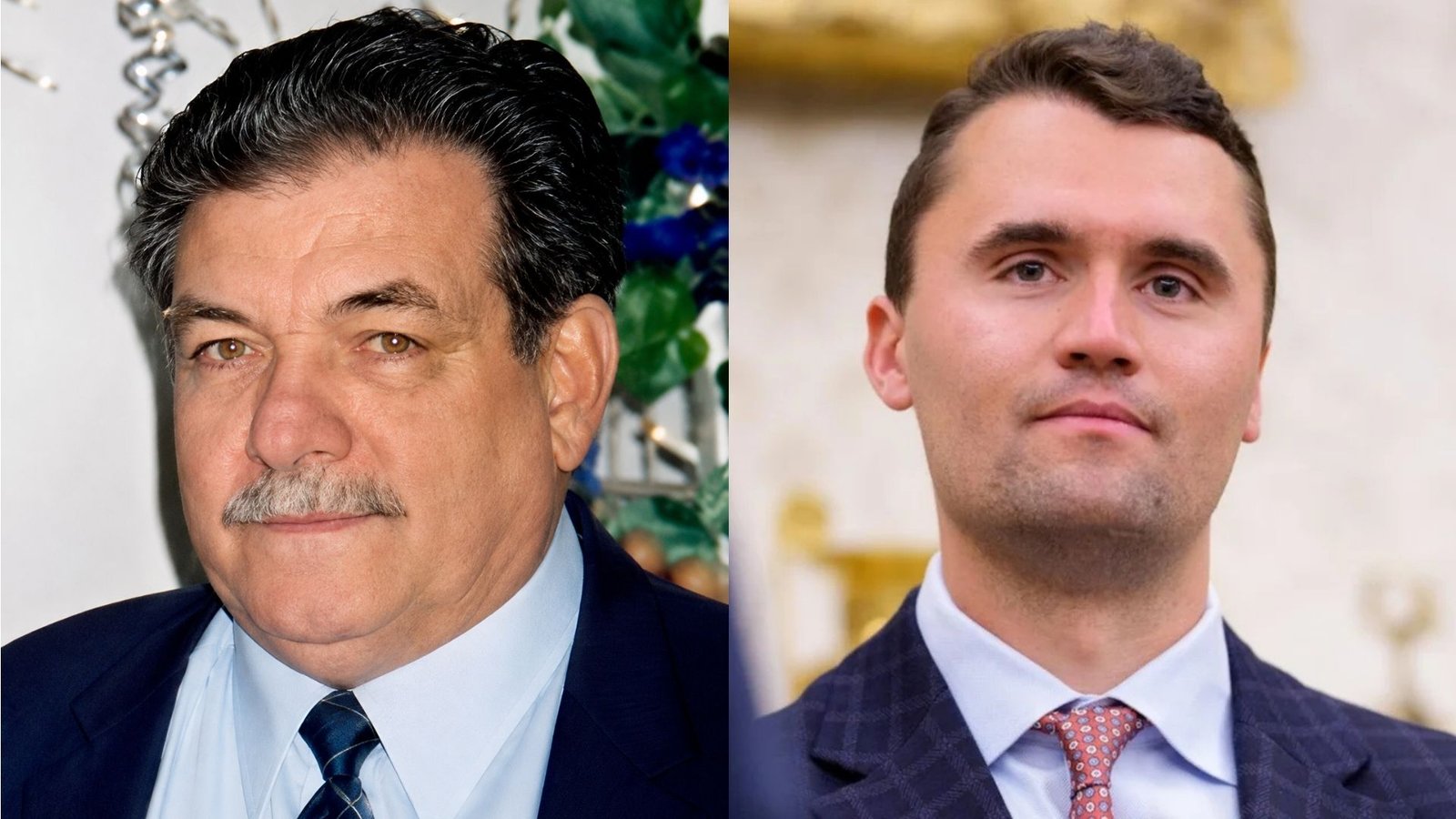
Robert W. Kirk became known to millions for one simple reason. He was the father of Charlie Kirk, the conservative speaker and group founder. Yet the father lived far from his son’s bright stage. He built a long career in architecture and kept family matters private.
That gap has led to great public interest. It has also caused false stories and mixed claims online. Some posts used photos of another man with the same name. Good profiles must separate public records from loose web talk.
The facts show a skilled Illinois architect and business leader. They also show a father who raised his family near Chicago. His son later chose a very public path. This profile covers what records support and marks what remains private.
Robert W. Kirk and the Quiet Life Behind Public Fame
Most readers first meet his name through Charlie’s life story. That link is fair, but it is not complete. The elder Kirk had worked for decades before national news arrived. His work joined design, planning, and day-to-day firm management.
He did not build a public brand around himself. There was no large media tour or personal show. His old work page read like a normal trade profile. It focused on licenses, past firms, duties, and completed projects.
That quiet style makes his story harder to tell. Public figures often leave years of talks and posts. A private architect leaves plans, meeting notes, and trade records. Those items offer facts, but few personal tales.
Public interest rose fast after Charlie died in 2025. Many people wanted to know the parents behind him. Robert then appeared in family reports and online searches. Still, he did not turn that attention into a public role.
Clarifying the Public Identity of Robert W. Kirk
Name mix-ups have caused much of the online doubt. More than one person has carried this same name. One late Indiana school leader had no family link to Charlie. Viral posts still used that man’s image and death notice.
The father in this profile is Robert Willard Kirk. Archived career pages identify him as an Illinois architect. Local public papers also place him with Group A Architecture. Those records match the work history tied to Charlie’s father.
This detail matters because a name alone proves little. A matching middle letter can still point elsewhere. Photos also need a clear source and date. Without those checks, a sad but false tale can spread fast.
Reliable facts create a simpler picture. He led design and business work at an architecture firm. He raised Charlie with his wife near Chicago. He was alive after his son’s death and joined key family events.
Early Family Roots of Robert W. Kirk
Very little verified news covers his own childhood. Public sources do not give a sure birth date. They also do not name his parents or list siblings. A careful account should not fill those gaps with guesses.
His later life had strong ties to Illinois. Charlie was born in Arlington Heights, Illinois, a Chicago suburb. The family then raised him mainly in nearby Prospect Heights. Both places sit northwest of central Chicago.
The area gave the family a suburban home base. It also sat near a large design market. Homes, shops, offices, and town projects needed trained firms. That setting fit the work Robert later led across the region.
Reports describe the household as politically moderate. Charlie later said his parents were moderate Republicans. That point cuts against claims that he grew up inside a loud political machine. His own strong views took shape as he got older.
Education and Design Training of Robert W. Kirk
An archived company page gives a clear education record. It says he studied at the University of Oregon in Eugene. He earned a Bachelor of Architecture in 1976. That degree trains students to plan safe, useful buildings.
Architecture study blends art with exact rules. Students learn drawing, space, materials, and building systems. They also learn how people use rooms and sites. The work demands both fresh ideas and close care.
His degree date helps place his early career. It came before computer drawing ruled the trade. Young architects then worked with hand plans and large paper sets. Changes took time, and small errors could cost real money.
Public records do not show his earlier schools or grades. They do not give college clubs or awards either. Those details should stay blank unless better records appear. The known degree already explains the base of his long work life.
The Architecture Career of Robert W. Kirk
His archived trade profile lists work at major design firms. In New York, it names Swanke Hayden Connell and Welton Becket Associates. In Chicago, it lists Bertrand Goldberg and Murphy/Jahn Associates. Each job added experience with large building teams.
He later became president and principal of Group A Architecture. His duties went beyond drawing plans. The company page named him general manager of operations and chief design architect. In plain terms, he guided design and helped run the firm.
That mix calls for many skills. A lead architect must hear what clients want. He must also work with builders, town staff, and engineers. At the same time, a firm leader watches costs, staff time, and deadlines.
His profile said he held licenses in several states. It also listed ties to key trade groups. These details show a formal career, not a casual design hobby. Local government files further confirm his work on real Illinois projects.
Professional Skills That Defined Robert W. Kirk
The old company record called him the creator of design direction. That meant he helped set the look and plan. It also meant he checked whether ideas could work. Strong design must fit the site, rules, budget, and client.
His listed work covered custom homes, shops, plants, and public uses. These building types need different plans. A home centers on daily comfort and private space. A business site must also handle staff, goods, parking, and public access.
Town meeting files show him speaking for project clients. He explained revised plans and land use requests. This is a less famous part of the job. Architects often must turn dense plans into clear words for local boards.
Such work rewards patience more than show. Plans may change many times before approval. A firm leader must solve each new issue. The final building may look simple because hard choices were settled early.
Projects That Built His Professional Record
His company profile named varied projects from several decades. It listed work tied to a New York tower and an Atlantic City hotel. It also named a hospital master plan in Illinois. Later work included many custom and business sites.
Local records give firmer proof of his regional work. They place him before planning bodies for client projects. One record connects him with plans for a community center and school. Another shows him presenting site changes in Prospect Heights.
These records reveal steady, practical work. He was not known for one bold style. Instead, he worked across many needs and building types. That range is common for a small or mid-size design firm.
The Trump Tower link needs exact wording. His archived company biography lists him as project architect for Trump Tower in New York. Der Scutt is widely named as the tower’s main designer. So Robert should not be called its sole designer or builder.
Robert W. Kirk as Charlie Kirk’s Father
Charlie was born on October 14, 1993. Robert and Kathryn raised him mainly in Prospect Heights, Illinois. Their son attended Wheeling High School. He joined school groups, played sports, and earned the Eagle Scout rank.
The parents offered a stable professional home. Robert ran design work, while Kathryn built her own career. Reports do not show them pushing Charlie toward fame. His public path grew through talk radio, school acts, and political work.
During high school, Charlie protested higher food prices at school. He also wrote about bias he saw in textbooks. Those steps brought early media notice. Soon, he chose political organizing instead of a standard college route.
Robert’s life may have offered a business example. Running a firm means finding clients and building a team. Yet direct cause is hard to prove. It is safer to say Charlie saw self-run work at home.
Marriage and Home Life of Robert W. Kirk
Robert is married to Kathryn Kirk, Charlie’s mother. The pair kept their marriage away from celebrity news. No sound public record gives a wedding date or meeting story. Claims that name a year should be treated with care.
Kathryn first worked in finance at the Chicago Mercantile Exchange. She later returned to school and became a mental health counselor. That career change took study and a state license. It also brought a service-based role into the family home.
The couple had at least two children, Charlie and his sister. Their daughter has stayed even further from public view. Her privacy deserves care, so this account avoids loose details. The family did not seek a shared media identity.
Robert and Kathryn appeared together at major events after 2025. Their presence showed family support during deep loss. It did not mark a move into public politics. They kept comments and personal grief mostly out of view.
A Moderate Home Shaped by Work and Faith
Charlie described his parents as moderate Republicans. News profiles also call the home politically moderate. Their son became far more public and firm in his views. That difference shows he did not simply copy a family script.
Faith was part of his early setting as well. Charlie grew up in the Presbyterian church. He later made Christian belief central to his public message. Yet little is known about how Robert spoke about faith at home.
The family valued work, school activity, and local life. Charlie joined band, sports, and scouting. He also became active in civic issues while young. These facts suggest a busy home, though private talks remain unknown.
Some writers assign every later choice to his parents. That goes too far. Parents shape a child, but friends and events matter too. Charlie’s own reading, radio habits, and early contacts helped set his course.
Family Life and Grandchildren of Robert W. Kirk
Charlie married Erika Frantzve in 2021. Their first child, a daughter, arrived in August 2022. A son followed in May 2024. Those births made Robert and Kathryn grandparents to two young children.
The children’s names have not been widely shared by their parents. Their faces were also kept mostly private. That choice matters even more after their father’s death. A sound profile should not hunt for details the family withheld.
No public interview explains Robert’s style as a grandfather. There are no verified tales about favorite games or family trips. Silence does not show distance. It only shows that those moments stayed inside the family.
After Charlie died, the wider family faced public grief. His wife took a larger role in Turning Point USA. His parents remained quieter. Their place as grandparents became personal, not a new public duty.
How Robert W. Kirk Faced Sudden Public Attention
His name drew sharp interest after September 10, 2025. Charlie was shot and killed during an event at Utah Valley University. The attack turned a campus speech into national news. It also pulled private relatives into public view.
Online posts soon claimed Robert had died from grief. Some showed the photo of a different man. Fact checks found the tale false. Charlie’s father was alive, and no promised video showed such an event.
This case shows how quickly false grief posts travel. A known name, sad text, and wrong photo can seem real. Web pages may then copy one another. Repetition still does not turn a claim into proof.
The family did not answer every rumor. That was a fair choice during loss. Robert later appeared at major public moments, which also cleared up the false claim. His actions carried more weight than viral posts.
The Private Lifestyle of Robert W. Kirk
Privacy is the clearest theme in his adult life. He built a public trade record, not a fame record. Meeting papers show his professional role. They say almost nothing about his home habits, hobbies, or close friends.
No verified source gives his height or weight. None offers a sound account of his daily routine. There is also no clear public list of cars or homes. Adding such details would turn a careful profile into guesswork.
The same rule applies to wealth. No trusted public record states his net worth. Private firms do not reveal all owner pay or assets. Any online dollar figure would be an estimate built on missing facts.
His life away from cameras appears to remain local and family based. Still, even that must be said with care. Privacy should not become an empty story filled with claims. Sometimes the honest answer is that little is known.
What Public Records Say About Robert W. Kirk
Archived firm pages provide the best career outline. They give his full name, degree, duties, past firms, and project list. City and village papers support his Illinois practice. News reports confirm his place in Charlie’s family.
Together, those sources form a useful record. He earned a design degree in 1976. He worked for named architecture firms and later led Group A. He handled both design work and the firm’s daily operations.
The record also places him at planning meetings. There, he spoke about client sites and changes. This detail may sound small, but it adds firm proof. Routine papers often tell more truth than viral biography pages.
Yet records have limits. A company profile is a career summary, not a life history. It does not tell how he felt about each job. It also cannot explain every family choice or private turning point.
Where Is Charlie Kirk’s Father Today?
As of the latest sound reports, Robert remains alive. Claims that he died soon after Charlie were false. He and Kathryn have kept a low profile. No verified report gives a new home address or daily schedule.
He attended Charlie’s large memorial in Arizona. Later, he joined family at the White House. On October 14, 2025, the family accepted the Presidential Medal of Freedom awarded to Charlie after death.
That date would have been Charlie’s thirty-second birthday. The event placed his parents beside national leaders and family members. It was a rare public moment for them. Even then, Robert did not seek a separate speaking role.
His current life should be described only in broad terms. He remains Charlie’s father, a long-time architect, husband, and grandfather. More exact claims need new public proof. Until then, privacy is part of the true story.
Final Thoughts on Robert W. Kirk
Robert W. Kirk is more than a footnote to fame. He trained as an architect and led design work for decades. Public records show projects, licenses, and business duties. They show a steady professional life built long before Charlie’s rise.
His family story also needs calm and care. He and Kathryn raised their children in suburban Illinois. Their home was moderate, not a public campaign base. Charlie later made his own path into national conservative politics.
Tragedy brought fresh attention and false tales. The wrong man’s photo spread under Robert’s name. Yet verified appearances proved he remained alive. That episode makes careful fact checks a key part of his biography.
The strongest ending is also the plainest. He stood with family at the White House in October 2025. Cameras caught a rare public moment. After that, the quiet architect largely returned to private life.
Is Robert W. Kirk Charlie Kirk’s father?
Yes. He is the father of Charlie Kirk. He and his wife, Kathryn, raised Charlie mainly in Prospect Heights, Illinois. Their son later founded a national conservative youth group and became a major political speaker.
What work did Charlie Kirk’s father do?
He worked as an architect and business leader. An archived firm profile says he led operations and design at Group A Architecture. Public town records also show him presenting plans for Illinois building projects.
Did Charlie Kirk’s father design Trump Tower?
His archived work profile lists him as a project architect for the New York tower. That supports a role on the project team. It does not mean he was the sole designer, since Der Scutt is named as the main architect.
Is Robert W. Kirk still alive?
Yes, based on the latest verified public reports. Online claims about his death were false and used another man’s photo. He attended public family events after his son died in September 2025.
What is known about his net worth and age?
Neither figure has a sound public record. His birth date, exact age, and personal wealth remain private. Dollar amounts posted on biography sites should be treated as guesses, not confirmed facts.

Lucila Solá: The Argentine Actress Behind a Remarkable Hollywood Family

Who was Terry McQueen? The Real Story of Steve McQueen’s Daughter

Success100x.com: A Practical Guide to Personal Growth, Career, Business, and Wealth

All About Kristi Betts, The Life, Career, and Family Story of Chad Gable’s Wife

How Nicholas D’Agosto & Andrea Bricco Hooked Up: Their Love Story

Hudson Rechsteiner: Inside the Private Life of Rick Steiner’s Son and Brother of WWE Star Bron Breakker
-
 Entertainment2 months ago
All About Kristi Betts, The Life, Career, and Family Story of Chad Gable’s Wife
-
 Celebrity1 month ago
How Nicholas D’Agosto & Andrea Bricco Hooked Up: Their Love Story
-
 Entertainment2 months ago
Hudson Rechsteiner: Inside the Private Life of Rick Steiner’s Son and Brother of WWE Star Bron Breakker
-
 Celebrity1 month ago
Luca Celico Leite: Inside the Life of the Young Football Talent Following Kaká’s Legacy
-

 Sports2 months ago
Justin Tupper Biography: Net Worth, Family, Career, and Life With Torrie Wilson
-

 Entertainment2 months ago
Who Is Micah Diamond? Why Neil Diamond’s Son Chose Privacy Over Fame
-
 Celebrity1 month ago
Who Is Randy Fields? All About Debbi Fields’ Ex-Husband and Business Partner
-
 Celebrity2 months ago
Who Is Kathryn Burgum? The Untold Story Behind Doug Burgum’s Wife and Her Powerful Recovery Mission