Food
Çievri: A Complete Guide to the Turkish-Style Beef and Gravy Dish

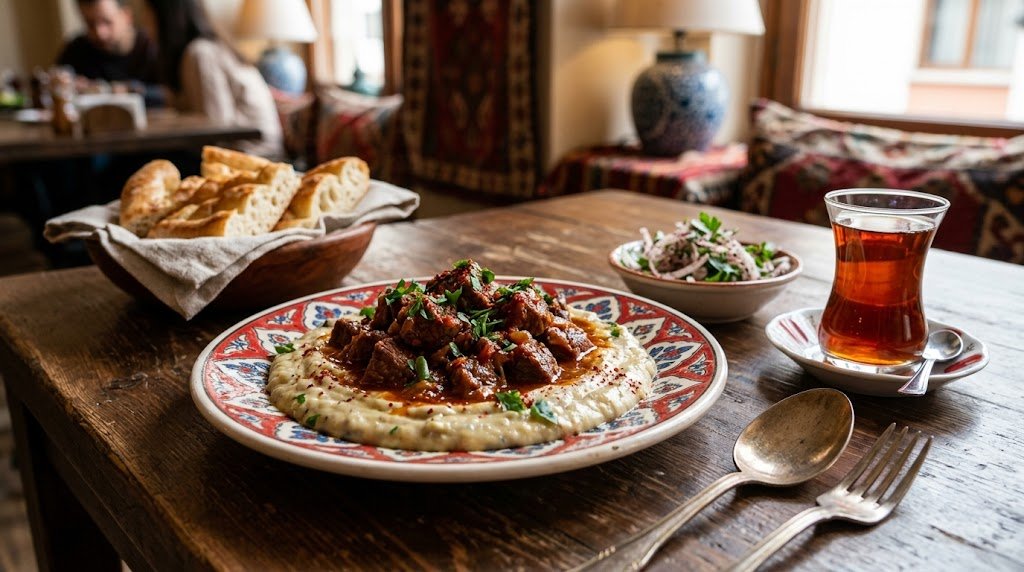
Çievri is described online as a warm Turkish-style dish made with tender beef, vegetables, spices, and a rich meat gravy. It is the kind of meal that feels simple but deeply filling. Soft beef cooks in its own juices while onions, peppers, tomatoes, and spices form a thick sauce around it. The final dish sits somewhere between a beef sauté and a slow-cooked stew.
The name çievri is still rare outside a small number of online food pages. It does not appear to be a widely recorded name in major Turkish food references. The spelling may also be modern, regional, or informal. Still, the dish linked to the name follows a clear Turkish cooking style: brown the meat, add fresh vegetables, season it well, and cook until the sauce becomes rich.
For anyone searching for a comforting beef dinner, çievri offers an easy place to start.
What Is Çievri?
Çievri is a savory meat dish that usually features small pieces of beef or lamb. The meat cooks with onions, tomatoes, peppers, garlic, and warm spices. Water or stock may be added to help form a smooth gravy.
Some descriptions present çievri as a sautéed meat dish. Others make it sound more like a stew. Both ideas can work. The final texture depends on how much liquid is used and how long the meat cooks.
A quick version may have a thin coating of sauce. A slow version may have soft beef sitting in a deep, spoonable gravy.
One recent online description calls çievri a traditional Turkish comfort dish made with sautéed beef or lamb, vegetables, and spices. However, strong historical records for the exact name remain hard to find.
That does not make the food itself unusual. Turkish home cooking includes many meat dishes built with the same basic method.
Is Çievri Really a Traditional Turkish Dish?
This question needs a careful answer.
Turkish cuisine has a long history of beef, lamb, vegetable, and gravy-based meals. Yet the exact word çievri is not well documented in major dictionaries, official food records, or established cookbooks available online.
It may be:
- A local or family name
- A new food term
- A spelling variation
- A name created by food websites
- A less common regional expression
Because of this, it is safer to call çievri a Turkish-style beef and gravy dish.
The meal has clear links to Turkish cooking, even when its name is uncertain. Turkish stews often use beef, peppers, tomatoes, onions, and slow heat. They may be served with rice, bulgur, bread, or yogurt.
The Turkish term for gravy can be translated as et suyu sosu, meaning a sauce made from meat juices. That idea fits the way çievri is usually described.
What Does Çievri Taste Like?
Çievri has a warm and savory taste. Beef gives the dish a deep base. Onion adds a mild sweetness. Tomato brings soft acidity, while peppers add fresh flavor.
The spices should support the meat rather than hide it.
Common flavors may include:
- Black pepper
- Paprika
- Red pepper flakes
- Cumin
- Thyme
- Bay leaf
- Garlic
The gravy becomes richer as the beef cooks. Fat, meat juice, tomato, and stock mix in the pan. This creates a smooth sauce that coats each piece of beef.
A well-made çievri should not taste too oily. It should feel balanced. The meat should stay tender, and the sauce should have enough body to hold onto bread or rice.
Main Ingredients Used in Çievri
There is no single official çievri recipe. Still, most versions can be built from a simple set of ingredients.
Beef
Beef is the heart of the dish. Chuck, shoulder, stewing beef, or another slow-cooking cut works well.
These cuts have enough fat and connective tissue to become soft during cooking. Lean cuts may dry out if they stay on the heat for too long.
Cut the beef into small, even cubes. This helps every piece cook at the same speed.
Onion
Onion creates the first layer of flavor. It softens during cooking and almost melts into the sauce.
Yellow or white onion works best. Red onion may also be used, but it can add a sweeter taste.
Peppers
Green peppers are common in many Turkish meat dishes. Mild Turkish peppers are ideal, but bell peppers can also work.
A mix of green and red peppers adds color and a light sweet taste.
Tomatoes
Fresh tomatoes help form the gravy. They break down as the dish cooks.
Tomato paste may also be added. It gives the sauce a darker color and a stronger taste.
Garlic
Garlic adds depth. It should be used with care. Too much may cover the natural flavor of the beef.
Two or three cloves are often enough for a family-sized pot.
Stock or Water
Beef stock creates a stronger sauce. Water keeps the dish lighter.
The amount depends on the result you want. Use less liquid for a thick meat sauté. Add more for a stew-like çievri.
Spices
Salt and black pepper are the basic choices. Paprika, cumin, thyme, and red pepper flakes can add more character.
Turkish cooking often uses spice with control. The goal is not always extreme heat. The goal is balance.
How to Make Çievri at Home
A basic çievri recipe does not need special tools. A heavy pan, Dutch oven, or deep pot is enough.
Ingredients
- 2 pounds beef chuck, cut into cubes
- 2 tablespoons olive oil
- 1 large onion, chopped
- 2 green peppers, sliced
- 1 red pepper, sliced
- 3 garlic cloves, minced
- 2 medium tomatoes, chopped
- 1 tablespoon tomato paste
- 2 cups beef stock
- 1 teaspoon paprika
- ½ teaspoon cumin
- ½ teaspoon dried thyme
- ½ teaspoon red pepper flakes
- Salt and black pepper
- Chopped parsley for serving
Step 1: Dry and Season the Beef
Pat the beef dry with a clean paper towel. Wet meat does not brown well.
Season it with salt and black pepper. Let it rest for a few minutes while the pan heats.
Step 2: Brown the Meat
Heat the oil in a large pot.
Add the beef in small batches. Do not fill the pan too tightly. Crowded meat releases water and begins to boil instead of brown.
Cook each batch until the outside forms a dark crust. Remove the browned pieces and place them on a plate.
This step builds much of the final flavor.
Step 3: Cook the Onion and Peppers
Add the onion to the same pot. Cook it until soft.
Add the peppers and continue cooking for several minutes. Scrape the bottom of the pan as the vegetables release moisture. Those brown bits contain strong beef flavor.
Step 4: Add Garlic and Tomato Paste
Stir in the garlic. Cook it for about 30 seconds.
Add the tomato paste and stir for one or two minutes. Cooking the paste removes its raw taste and makes it richer.
Step 5: Add Tomatoes and Spices
Place the chopped tomatoes in the pot.
Add paprika, cumin, thyme, and red pepper flakes. Stir until the tomatoes begin to soften.
Step 6: Return the Beef
Put the browned beef back into the pot. Pour in the stock.
The liquid should cover most of the meat but does not need to fill the whole pot.
Bring the mixture to a light boil. Then lower the heat.
Step 7: Cook Slowly
Cover the pot and let the çievri cook for about 90 minutes.
Check it from time to time. Stir gently and add a little water if the sauce becomes too dry.
The dish is ready when the beef is soft enough to cut with a spoon.
Step 8: Thicken the Gravy
Remove the lid during the final 15 to 20 minutes.
Let the sauce cook down until it reaches the texture you like. Taste it, then adjust the salt and pepper.
Finish with fresh parsley.
How to Make the Beef Tender
Tough beef can ruin an otherwise good çievri. The right cut and cooking method matter.
Start with chuck or shoulder meat. These cuts need time, but they become soft when cooked slowly.
Do not cook the beef at a hard boil. Strong heat can tighten the meat fibers. A low simmer works better.
Also, do not stop cooking just because the recipe time has passed. Beef may need more time based on the cut, cube size, and pot.
When the meat still feels firm, keep cooking it. Add a small amount of hot water and check it again after 15 minutes.
Tender meat cannot be rushed.
How to Make Rich Çievri Gravy
The gravy should come from the food in the pot. It does not need a packet or ready-made powder.
Brown the beef well. Cook the tomato paste. Use good stock. Then let the sauce reduce.
These steps create natural body and flavor.
A spoonful of flour can be used, but it is not always needed. Tomatoes, onions, and slow cooking can thicken the sauce on their own.
For a smoother gravy, mash a few soft onion and tomato pieces against the side of the pot. Stir them back into the sauce.
A small piece of butter may be added at the end. It can make the gravy look glossy and taste richer.
Çievri Compared With Turkish Güveç
Çievri may remind many readers of güveç.
Güveç is both the name of an earthenware cooking pot and a style of slow-cooked dish. Meat and vegetables cook together with pepper-based seasoning. The meal is common in Turkey and across parts of the eastern Mediterranean and Balkans.
The two dishes can share beef, onion, tomato, peppers, and spices.
The main difference may be the cooking style.
Güveç is often baked or slowly cooked in a clay pot. Çievri is more often described as a pan or stovetop dish with a stronger gravy texture.
Still, the terms should not be treated as exact matches.
Çievri Compared With Etli Yahni
Etli yahni is a Turkish meat stew. It often contains meat, onions, and a light sauce. Some versions include potatoes, carrots, beans, or other vegetables.
Çievri seems close to this type of meal.
Both use slow cooking. Both focus on tender meat. Both can have a sauce made from stock and meat juices.
Yet çievri is often presented with peppers and tomatoes at the center of the recipe. Etli yahni can be broader and may change greatly from one home to another.
English “beef stew” may be translated with terms such as dana güveç, et yahnisi, or etli yahni.
What to Serve With Çievri
Çievri works best with a simple side that can hold its gravy.
Rice
Plain white rice is one of the easiest choices. The mild taste lets the beef remain the main focus.
Turkish-style rice pilaf also works well. It may include toasted orzo for added texture.
Bulgur
Bulgur has a soft, nutty taste. It feels more rustic than white rice and pairs well with tomato-based sauce.
Bread
Fresh bread can be used to pick up the last drops of gravy.
Pide, flatbread, or a crusty loaf are all good choices.
Mashed Potatoes
Mashed potatoes are not the most traditional Turkish side, but they work well with the rich beef sauce.
Yogurt
Plain yogurt can cool the spices and make the meal feel lighter.
Serve it on the side rather than mixing it into the whole pot.
Salad
A tomato, cucumber, onion, and parsley salad gives the meal a fresh finish.
A squeeze of lemon can cut through the rich gravy.
Can You Make Çievri in a Slow Cooker?
Yes. A slow cooker is a good option for tough beef cuts.
Brown the beef first. This step gives the dish more flavor. Then cook the onion, peppers, garlic, and tomato paste in the same pan.
Move everything into the slow cooker. Add tomatoes, spices, and stock.
Cook on low for six to eight hours. The exact time depends on the meat and slow cooker.
Leave the lid slightly open during the final part only if the sauce needs to thicken. Another option is to pour the liquid into a pan and reduce it on the stove.
Can You Store and Reheat Çievri?
Çievri often tastes even better the next day.
Let it cool, then place it in a sealed container. Store it in the refrigerator for up to three or four days.
Reheat it slowly on the stove. Add a splash of water or stock if the gravy has become too thick.
You can also freeze it for up to three months. Use a freezer-safe box and leave a little open space at the top.
Thaw it in the refrigerator before reheating.
Avoid freezing çievri with rice or mashed potatoes in the same box. Store each part on its own for a better texture.
Common Mistakes to Avoid
The first mistake is using the wrong beef. Very lean meat can become dry.
The second is placing too much beef in the pan at once. This stops proper browning.
Another mistake is adding too much water. Çievri should have rich gravy, not a weak broth.
Do not add every spice in the kitchen. Strong spice can hide the flavor of the meat.
And do not cook at high heat for the full recipe. Slow cooking gives the beef time to soften.
Why Çievri Works as Comfort Food
Çievri uses basic food in a smart way. Beef becomes tender. Vegetables melt into the gravy. The sauce brings every part together.
It is also flexible. Home cooks can add potatoes, carrots, mushrooms, chickpeas, or eggplant. Lamb can replace beef. The gravy can be mild or spicy.
That simple form is one reason meat stews remain common in Turkish home-style restaurants. Traditional shopkeepers’ cafés often serve stews, casseroles, soups, and vegetable dishes made in the style of family cooking.
Çievri fits that same comfort-food idea.
Final Thoughts on Çievri
Çievri is best understood as a Turkish-style beef dish made with vegetables, spices, and rich meat gravy. Its exact history and spelling are not yet well established. For that reason, claims about a long national tradition should be treated with care.
But the cooking method makes sense.
Brown the beef. Soften the vegetables. Add tomato and stock. Then cook everything slowly until the meat becomes tender and the gravy turns rich.
The result is warm, simple, and filling. Serve çievri with rice, bulgur, bread, or yogurt for a complete meal. It may carry an unfamiliar name, but the food itself feels like classic home cooking.

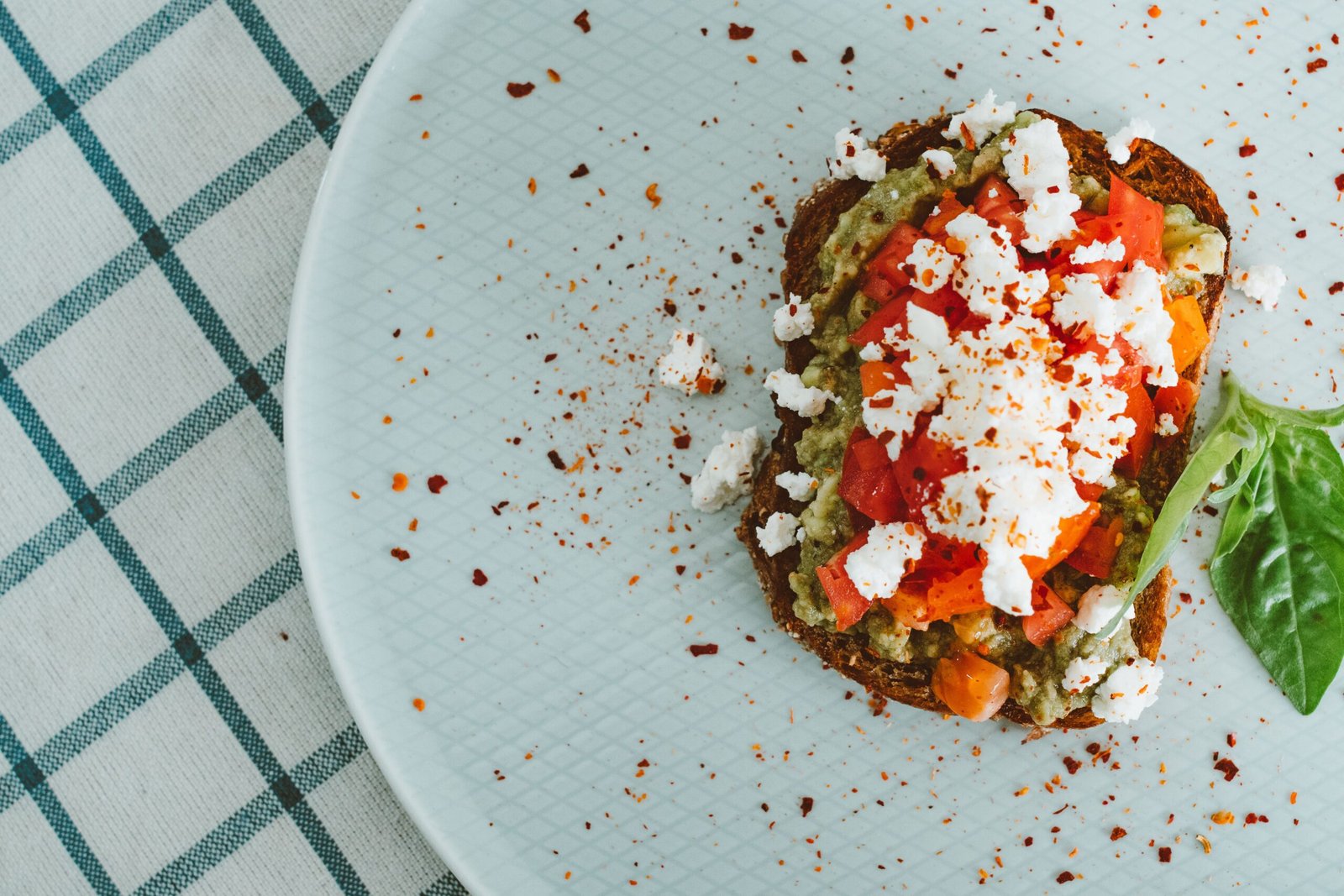
Toastul has become an interesting name in the world of modern food trends. At its heart, the idea is simple: take a good slice of toasted bread and turn it into something special.
The concept fits the way people eat today. Food should taste good, but it can also look good. A slice of sourdough can become a colorful breakfast, a light lunch, or a sweet snack with only a few extra ingredients.
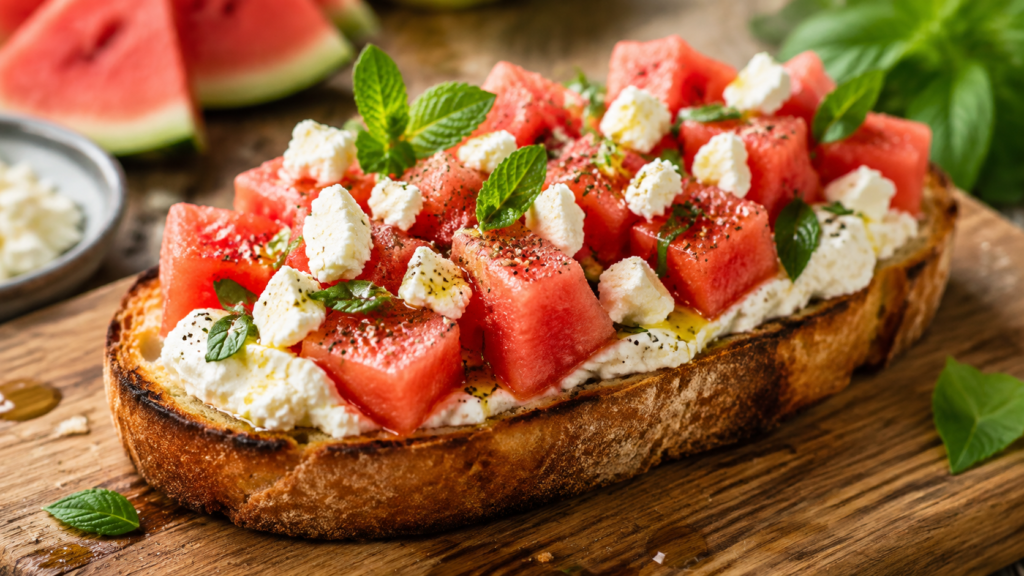
One of the most eye-catching versions combines crisp toast, creamy feta, juicy watermelon, fresh mint, and a light balsamic drizzle. The mix sounds unusual at first. Yet the flavors work because they create a strong balance of salty, sweet, fresh, and crisp textures.
The term itself also has an interesting language connection. In Romanian, toastul is the definite form of the noun toast. Romanian dictionaries and language references show the form in normal use. So, while the modern food-trend use has taken on a broader online meaning, the word itself is not entirely new.
What Is Toastul?
In the modern food-trend sense, toastul can describe a creative style of serving toast.
The basic idea is easy. Start with a thick piece of bread. Toast it until the outside becomes crisp. Then add a creamy spread and fresh toppings.
The result is more than plain toast. It becomes a small meal with layers of flavor.
This style shares a lot with avocado toast and other modern café dishes. The difference is the freedom to mix ingredients in new ways.
A good version usually has three parts:
- A strong bread base
- A smooth or creamy spread
- Fresh or flavorful toppings
The toppings can be sweet, savory, spicy, or a mix of several tastes.
That flexibility is one reason the concept works so well online. People can create their own version without following one strict recipe.
The Romanian Meaning Behind the Word
The word has a real connection to the Romanian language.
In Romanian, toast is used as a noun, and toastul is the definite form. In simple English terms, it can mean “the toast.” The same form can also appear in Romanian writing when referring to a toast in the sense of a speech or drinking toast.
This point matters because many websites give different stories about the word. Some online articles describe it as an old Romanian food with a fixed traditional recipe. Others connect it to newer internet culture.
There is not enough strong evidence to say that one specific modern recipe created the entire trend.
It is more accurate to see the current use as part of the wider growth of creative toast recipes. Social media has made simple foods easier to share, copy, and reinvent.
Why Toast Became a Food Trend
Toast has one major advantage: it is easy to make.
Almost every kitchen has bread. Toasting takes only a few minutes. From there, the cook can use whatever ingredients are available.
That makes toast perfect for creative cooking.
Avocado, eggs, cheese, vegetables, fruit, nuts, honey, and herbs can all work on a toasted slice. The bread provides a firm base, while the toppings change the flavor.
Social media adds another advantage.
A well-made toast looks attractive in a photograph. Bright fruit stands out against golden bread. Green herbs add color. White cheese creates contrast. A drizzle of honey or balsamic glaze can finish the image.
The dish does not need complicated equipment. It only needs good ingredients and careful presentation.
The Watermelon and Feta Version
One of the most refreshing versions uses watermelon and feta.
This combination is popular because the ingredients offer very different flavors.
Watermelon is juicy, sweet, and light. Feta is salty, creamy, and slightly sharp. Toasted bread adds crunch and a warm, roasted flavor.
Mint brings another fresh note. A small amount of balsamic glaze can add sweetness and acidity.
The finished slice can look striking.
Start with toasted sourdough. Add whipped feta or another creamy cheese. Place thin slices of chilled watermelon on top. Finish with mint leaves and a small drizzle of balsamic glaze.
The contrast is the main attraction.
You get crisp bread, soft cheese, juicy fruit, fresh herbs, and a smooth glaze in one bite.
Choosing the Right Bread
Bread is not just a base. It is one of the most important parts of the dish.
Thin sandwich bread may become too soft under heavy toppings. A thick sourdough slice is usually better because it can hold spreads and fruit without falling apart.
Artisanal bread also adds more flavor.
Sourdough brings a mild tang. Brioche provides a softer and richer taste. Whole-grain bread adds a nutty note and more texture.
The bread should be toasted enough to create a firm surface. It should not be burned.
A good slice has a crisp outside while keeping some softness inside.
The Importance of Texture
Texture is one reason this style of toast feels more interesting than ordinary bread.
A strong combination often includes at least three textures.
The bread gives crunch. The spread gives creaminess. Fresh fruit or vegetables add moisture.
Toppings can add even more contrast.
Walnuts provide a firm bite. Seeds add crunch. Microgreens give a light, fresh texture. Soft eggs can create a rich center.
This balance keeps every bite interesting.
It also explains why the trend works well in short food videos. Viewers can see the different layers being added one by one.
The Elevated Classic
Not every version needs fruit.
A savory version can use smashed avocado, a poached egg, chili flakes, and microgreens.
This combination builds on the familiar avocado toast but adds more layers.
The avocado creates a creamy base. The egg adds protein and richness. Chili brings heat. Microgreens add freshness.
A little lemon juice can help brighten the avocado.
The key is balance. Too much avocado can make the toast heavy. Too many toppings can hide the bread.
A good slice should still feel like toast.
The Sweet Gourmet Version
Toast can also move into dessert territory.
A simple sweet version uses ricotta, fresh figs, walnuts, and honey.
The ricotta provides a soft and creamy base. Fresh figs bring natural sweetness. Walnuts add crunch. Honey ties the flavors together.
This version works especially well with a thick slice of sourdough or rustic bread.
Other combinations can include peanut butter and banana, almond butter and berries, or mascarpone with peaches.
There is no need for a long ingredient list.
A few well-matched ingredients often taste better than a crowded slice.
Why Presentation Matters
Modern food culture is strongly visual.
People often discover recipes through photos and short videos before they ever taste them. That changes how food is prepared.
Color becomes important.
Green herbs can brighten a pale topping. Red berries or watermelon create contrast. Golden toast gives the whole plate a warm base.
Placement matters too.
Instead of throwing toppings onto the bread, arrange them with some care. Leave small areas of the spread visible. Add herbs near the top. Use sauces lightly.
The goal is not perfection.
The best-looking toast often feels natural rather than overly designed.
How to Make Your Own Version
Making this style of toast at home is simple.
First, choose a thick slice of quality bread. Toast it until crisp.
Next, add a spread. Whipped feta, ricotta, cream cheese, avocado, hummus, or nut butter can all work.
Then choose one main topping.
Fruit works well for sweet versions. Eggs and vegetables work well for savory versions.
Finish with one or two small extras.
Fresh herbs, seeds, nuts, chili flakes, honey, olive oil, or balsamic glaze can change the final taste.
Do not add everything at once.
Start with a few ingredients. Taste the combination. Then adjust it.
A Simple Summer Combination
For a summer-focused version, chilled watermelon is a strong choice.
Use a slice of toasted sourdough as the base. Spread whipped feta across the surface. Add thin pieces of cold watermelon.
Then add a few mint leaves.
Finish with a very small amount of balsamic glaze.
The watermelon should remain fresh and juicy. The feta should provide the salt. The toast should supply the crunch.
This is what makes the combination work.
Each ingredient has a clear role.
Is Toastul Healthy?
The answer depends on the ingredients and portion size.
Toast itself can be part of a balanced meal. Whole-grain or seeded breads can provide fiber and other nutrients. Fruit and vegetables can add vitamins, minerals, and water.
Cheese, eggs, nuts, and seeds can add protein or healthy fats.
At the same time, some toppings can add a lot of calories, sugar, salt, or saturated fat.
A toast made with a small amount of cheese, fresh fruit, and whole-grain bread is different from one covered in sweet spreads and heavy sauces.
There is no single nutritional profile for the trend.
The ingredients decide that.
Toastul and Social Media Culture
The rise of creative toast reflects a larger change in online food culture.
People no longer need to be professional chefs to create food content. A phone, a kitchen, and a simple recipe can be enough.
Toast is especially useful because the process is easy to film.
The bread goes into the toaster or oven. A spread is added. Toppings follow. The final drizzle creates a satisfying ending.
That makes the format perfect for short videos.
The visual structure also encourages creativity. One person may use fruit. Another may use eggs. Someone else may create a sweet version.
The same basic idea can produce hundreds of different plates.
What Makes the Trend Different?
The biggest difference is not one special ingredient.
It is the mindset.
The idea turns ordinary toast into a small piece of food design.
Instead of asking, “What can I put on bread?” the approach becomes, “How can I build a balanced dish on one slice?”
That shift opens up many possibilities.
A breakfast can become more colorful. A snack can feel more complete. Leftover ingredients can find a new purpose.
It is also an approachable form of creative cooking.
You do not need restaurant skills to try it.
The Future of Creative Toast
Food trends change quickly.
A recipe can become popular for a few months and then disappear. Other ideas stay around because they are useful.
Creative toast has a good chance of staying relevant because the basic idea is practical.
Bread is affordable. Toppings are flexible. Preparation is fast.
People can adjust the recipe to suit their diet, budget, season, and taste.
That gives the trend more staying power than a recipe built around one hard-to-find ingredient.
It also fits modern home cooking. Many people want meals that are quick but still feel special.
Toast can deliver both.
Final Thoughts
Toastul is best understood as a modern way of thinking about toast rather than one recipe with a single official history.
The Romanian word toastul has a genuine linguistic meaning, but online food culture has given the term new attention.
The modern trend focuses on quality bread, creamy spreads, fresh toppings, strong textures, and attractive presentation.
The watermelon and feta version shows why the idea can be so appealing. Sweet watermelon meets salty cheese. Fresh mint meets crisp toast. A simple glaze adds another layer.
Other versions can be just as creative.
Avocado and egg work for a savory breakfast. Ricotta, figs, walnuts, and honey create a sweeter option.
In the end, the appeal is simple.
Take a basic slice of bread. Add good ingredients. Think about color, texture, and flavor. Then make it your own.
That is the real strength of the modern toast trend.

Read All About Eugenia Jones: The Wife of Jerry Jones

Trevor Wakefield: Tim Wakefield’s Son and His Family Legacy

Ingrid Quinn: David Boreanaz’s First Wife and Her Private Life

All About Kristi Betts, The Life, Career, and Family Story of Chad Gable’s Wife

How Nicholas D’Agosto & Andrea Bricco Hooked Up: Their Love Story

Luca Celico Leite: Inside the Life of the Young Football Talent Following Kaká’s Legacy
-
 Entertainment4 months ago
All About Kristi Betts, The Life, Career, and Family Story of Chad Gable’s Wife
-
 Celebrity3 months ago
How Nicholas D’Agosto & Andrea Bricco Hooked Up: Their Love Story
-
 Celebrity3 months ago
Luca Celico Leite: Inside the Life of the Young Football Talent Following Kaká’s Legacy
-

 Celebrity3 months ago
Who Is Randy Fields? All About Debbi Fields’ Ex-Husband and Business Partner
-

 Entertainment4 months ago
Hudson Rechsteiner: Inside the Private Life of Rick Steiner’s Son and Brother of WWE Star Bron Breakker
-

 Celebrity3 months ago
The Untold Story of Zachary Knighton’s Ex-Wife: Everything About Hang Knighton and Private Family Life
-

 Sports3 months ago
Justin Tupper Biography: Net Worth, Family, Career, and Life With Torrie Wilson
-

 Celebrity3 months ago
Who Is Sanjay Nayar? Inside the Life of Falguni Nayar’s Husband and India’s Finance Veteran