
Entertainment
Catherine Clinch in CNA Jobs Near Me: Elena’s Powerful Fight for Work, Family, and Hope

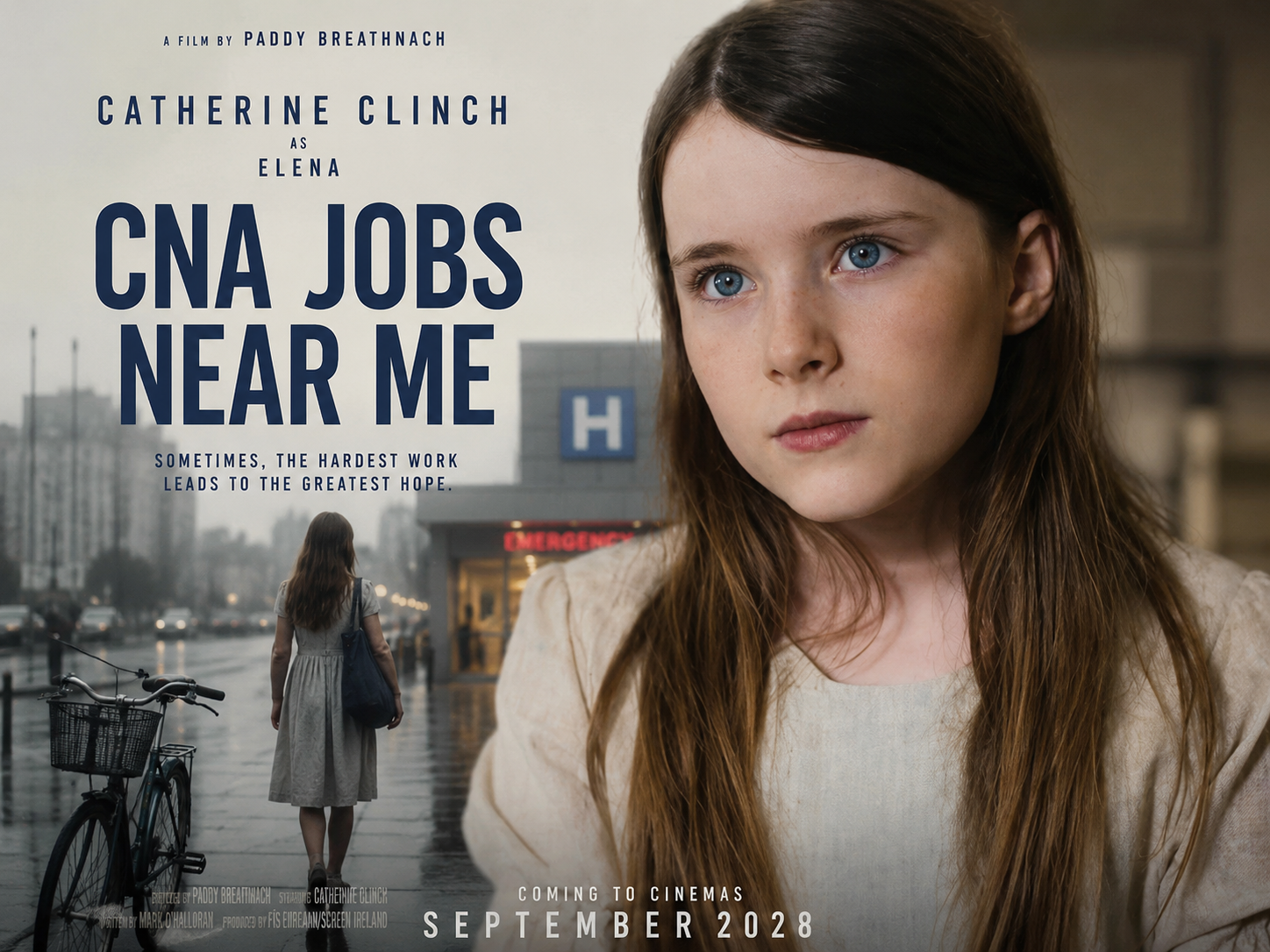
CNA Jobs Near Me is an upcoming drama movie planned for release in September 2028. The story follows Elena, a young certified nursing assistant who is trying to find steady work. Actress Catherine Clinch plays Elena, while Irish filmmaker Paddy Breathnach is attached as the director. The movie explores job rejection, family debt, hard work, unfair treatment, and one young woman’s refusal to give up.
The title may sound like a common online search. Yet it has a deeper meaning in the story. Elena keeps searching for CNA jobs near her home because her family needs money at once. Her father is very sick. Her brother has made a costly mistake. And every new problem seems to push Elena closer to defeat.
Still, she moves forward.
The film presents a working-class hero who does not have money, power, or special contacts. Elena only has her skills, her kind heart, and her strong will. Those qualities may seem small at first. By the end of the story, they become the very things that change her life.
What Is the CNA Jobs Near Me Movie About?
CNA Jobs Near Me is a planned family and workplace drama. It centers on Elena, a trained certified nursing assistant who lives in a busy city with her struggling family.
Elena became a CNA because she wanted to care for people. She also hoped the work would give her family a steady income. Her father has a long-term illness, and his care costs more each month. Since he cannot work, Elena becomes the main person earning money at home.
Her goal is simple. She wants a permanent position at Hope Memorial Hospital.
Hope Memorial is the largest and most trusted medical center in the city. It offers fair pay, steady hours, and health benefits. A job there could help Elena pay for her father’s treatment. It could also give her family a safer future.
But getting hired is not easy.
Each time Elena sends an application, the hospital turns her down. Some managers say she needs more experience. Others do not give her a clear reason. Elena knows she can do the work, but no one seems ready to give her a chance.
Her search for CNA jobs near her becomes a daily battle. It is not only about finding employment. It is about keeping her family together.
Catherine Clinch as Elena
Catherine Clinch plays the lead role of Elena. Clinch earned wide praise for her first film performance as Cáit in the Irish-language drama The Quiet Girl. Her quiet and natural acting helped make that film a major international success.
The role of Elena calls for the same kind of emotional control. Elena does not speak about every fear she carries. Much of her pain stays hidden. She smiles at patients even when she has not slept. She comforts her father while hiding unpaid bills. She tells her family that things will improve, even when she is no longer sure.
This gives the actress a demanding role.
Elena must appear tired without looking weak. She must show fear without losing her courage. She must also make viewers understand why she keeps returning to work after each unfair event.
Clinch’s understated acting style could fit this character well. Elena is not written as a loud action hero. Her strength appears through small choices. She gets out of bed. She puts on her uniform. She cares for strangers. Then she tries again.
Elena’s Family Struggle
Family sits at the heart of CNA Jobs Near Me.
Elena’s father is very ill and needs regular medical care. His health condition has placed the family under great stress. Bills continue to arrive, but the family’s income remains low.
Elena takes on the role of provider. She pays for food, medicine, rent, and travel. She also cares for her father when she returns from work. This means her shift does not truly end when she leaves a clinic.
At home, she helps him move, prepares his meals, and checks his medicine. Some nights, she stays awake beside him because his breathing becomes worse.
These scenes show a hard truth. Care workers often look after people at work and then care for loved ones at home. Elena gives her energy to everyone around her. Very few people ask who is caring for her.
Her love for her father gives her purpose. It also adds pressure. She cannot simply quit a bad job or take time to rest. Too many people depend on her.
Why Elena Cannot Find Stable CNA Work
Elena has training, skill, and a strong work record. Yet the better hospitals keep rejecting her.
Hope Memorial says it wants workers with years of advanced experience. This creates a painful problem. Elena cannot gain that level of experience unless a hospital first gives her a chance.
She applies again and again. Each rejection letter feels more personal than the last. She begins to question whether her effort matters.
The movie uses Elena’s job hunt to explore a common problem. Entry-level workers are often told they need experience before anyone will hire them. They may accept poor pay or unsafe hours just to build a work history.
For Elena, searching “CNA jobs near me” is not a quick online task. It becomes a sign of her whole struggle. Each listing offers hope. Each rejection closes another door.
Still, she keeps applying.
Life Inside Understaffed Clinics
Since Elena cannot secure a hospital role, she accepts work at private clinics and home-care agencies.
The pay is low. The shifts are long. The staff is often too small for the number of patients who need help.
At one clinic, senior workers push their duties onto Elena. They ask her to clean more rooms, move more patients, and cover missed shifts. When something goes wrong, they blame her.
Elena often works two shifts in a row. She eats small meals in break rooms and sleeps for short periods on the bus. Her feet hurt. Her back aches. Yet she remains gentle with her patients.
This part of the movie shows the gap between health care as a service and health care as a job. Patients need warmth and attention. Workers need fair hours, safe staffing, and basic respect. When clinics fail their staff, both workers and patients suffer.
Elena knows this. Even so, she refuses to take her anger out on the people in her care.
The Debt That Threatens Elena’s Family
Elena’s problems grow worse when she learns that her brother has borrowed money from a dangerous loan shark.
He took the loan in secret. He believed he could repay it before anyone found out. Instead, the debt grew because of added fees and harsh interest.
The lender begins making threats.
Elena feels angry with her brother, but she also knows fear will not solve the problem. The family has no savings. Her father cannot handle more stress. And Elena’s small income barely covers their daily needs.
The debt changes the tone of the story. Until this point, Elena has faced workplace pressure and money trouble. Now her family may be in physical danger.
She feels trapped between two cruel systems. Low-paid clinics use her need for work. The lender uses her brother’s fear. Both know that the family has few choices.
This is Elena’s lowest point.
The Theft of Elena’s Bicycle
Elena’s bicycle is her only steady form of travel. It allows her to move between clinics, patient homes, and her family’s apartment.
One night, she leaves it locked outside a patient’s house. When she finishes the visit, the bicycle is gone.
The theft may seem like a small event next to her father’s illness or the family debt. For Elena, it is a disaster.
She cannot afford a car. Bus routes do not reach every patient. Paying for rides would use most of her daily earnings.
So Elena walks.
She travels for miles in cold rain to reach her next shift. Her shoes fill with water. Her uniform becomes soaked. She arrives late, and a manager warns that she may lose her job.
The scene shows how one small loss can push a poor worker toward crisis. Elena has no backup plan because she cannot afford one.
Yet she enters the patient’s room, dries her face, and begins working.
Paddy Breathnach’s Role as Director
Paddy Breathnach is an Irish filmmaker with experience in drama, comedy, documentaries, and darker genre films. He began his directing career in natural history documentaries before moving into feature filmmaking. His known work includes Ailsa, I Went Down, Viva, and Rosie.
His work on social dramas may make him a fitting choice for Elena’s story.
CNA Jobs Near Me needs a grounded style. The film’s power depends on daily details rather than large effects. A tired bus ride, an unpaid bill, a cold hallway, or a patient holding Elena’s hand may carry more weight than a long speech.
The director must also keep Elena’s struggle human. The story could become too bleak if every scene only brings pain. Small moments of humor, kindness, and trust will be needed.
Patients may thank Elena. A child may draw her a picture. Her father may save part of his dinner for her. These simple moments can explain why Elena does not lose her sense of care.
The Stormy Night at Hope Memorial Hospital
The main turning point happens during a powerful storm.
Elena receives a temporary shift at Hope Memorial Hospital. It is not the permanent role she wants, but she accepts it at once.
That night, several serious road accidents take place across the city. Ambulances begin arriving one after another. The emergency department fills with injured people.
The hospital does not have enough workers.
Some assistants freeze under pressure. Others struggle to understand where they are needed. Elena does not wait for someone to guide every move.
She prepares beds. She brings supplies. She helps move patients. She listens closely to doctors and nurses. She also speaks calmly to people who are hurt and afraid.
Elena does not act outside her training. Instead, she performs her CNA duties with speed, care, and sharp focus. She knows when to move quickly and when to slow down for a frightened patient.
Her past hardships have prepared her for this moment.
Long shifts taught her how to work while tired. Home care taught her how to calm scared families. Her father’s illness taught her how helpless a patient can feel.
For once, the people in charge see what Elena can do.
Nurse Margaret Notices Elena
Nurse Margaret is the head of nursing at Hope Memorial. She watches Elena throughout the emergency.
Margaret sees more than fast work. She notices that Elena does not seek praise. She moves toward the hardest tasks because patients need help.
After the last emergency patient receives care, Margaret asks Elena to come to her office.
Elena expects bad news.
She fears she made a mistake or crossed a workplace rule. She has heard so many rejections that she cannot imagine a different result.
Instead, Margaret offers her a full-time CNA position.
The role includes steady pay, permanent hours, and health benefits that can support Elena’s family. Margaret explains that experience is not only measured in years. It can also be seen in judgment, courage, care, and action.
Elena begins to cry.
The job does not remove every problem at once. Her father is still sick. The family debt still needs attention. Her body still carries the cost of months without rest.
But the offer gives her something she has not had in a long time: a fair chance.
Main Themes in CNA Jobs Near Me
The movie explores how hard work can go unseen.
Elena does everything society asks of her. She trains for a useful job. She cares for sick people. She supports her family. She accepts difficult shifts. Yet she still struggles to gain basic security.
The story also examines dignity. Elena faces rude managers, unfair duties, rejection, and financial fear. None of these problems takes away her value.
Family duty is another major theme. Elena’s love for her father drives her forward. At the same time, the story may ask how much one person should have to carry alone.
The film also focuses on compassion. Elena’s kind nature is not shown as weakness. It becomes a professional strength. During the hospital crisis, her empathy helps patients feel safe and allows the medical team to work better.
Why the Title CNA Jobs Near Me Matters
The title is direct, modern, and easy to remember.
Millions of people type phrases like “CNA jobs near me” when they need work close to home. In Elena’s story, the search carries great emotional weight.
She needs nearby work because travel costs money. She needs steady hours because she cares for her father. She needs benefits because her family cannot afford more medical bills.
The title therefore represents more than a job search. It reflects Elena’s need for safety, respect, and a future.
It also helps the movie stand apart. The phrase looks like a search term, but behind it is a personal human story.
Is CNA Jobs Near Me Based on a True Story?
Based on the supplied project outline, CNA Jobs Near Me is presented as a fictional drama rather than a confirmed true story.
Still, many parts of Elena’s journey may feel real to viewers. Health care workers often face long shifts, staff shortages, low wages, and emotional strain. Many also support sick family members at home.
The film appears designed to honor those workers without turning Elena into a perfect figure. She becomes tired. She feels angry. She loses hope at times.
What matters is that she continues to care, even when life gives her little care in return.
What Viewers May Expect From the Movie
Audiences may expect an emotional workplace drama with strong family themes.
The film is likely to focus more on character than action. Its most important scenes may happen in hospital rooms, small apartments, clinic halls, and quiet offices.
Elena’s final job offer provides a hopeful ending. Still, the best version of the story will avoid making success look easy. Her victory matters because viewers have seen its cost.
The ending also carries a clear message. Talent can exist in places where leaders fail to look. Workers like Elena do not always need to become stronger. Sometimes employers simply need to notice the strength that is already there.
Final Thoughts
CNA Jobs Near Me tells the story of Elena, a young nursing assistant who fights to protect her family while searching for stable hospital work.
She faces rejection, low pay, cruel coworkers, family debt, exhaustion, and the loss of her bicycle. Each setback makes her path harder. None of them destroys her care for other people.
Her chance finally comes during a hospital emergency. Under great pressure, Elena proves that she has the skill, calm mind, and compassion needed for the job.
The offer from Nurse Margaret does more than improve her income. It gives Elena respect. It shows that someone has finally seen her clearly.
At its center, CNA Jobs Near Me is a story about work and survival. It is also about a young woman who keeps choosing hope, even when hope seems to have forgotten her.

Evin Harrah Cosby is an American fashion business owner. She is the youngest daughter of comedian Bill Cosby and Camille Cosby. Yet she chose a life away from acting. Her work in fashion gave her a name of her own.
Evin grew up in a large and creative family. Television, art, education, and travel shaped her early years. She saw fame at close range. Still, her parents urged her to study and build useful skills.
Her interest in clothes began when she was young. She later studied fashion and gained work experience. In 2008, she opened a New York clothing store. Her story blends family fame, personal loss, hard work, and a strong wish for privacy.
Evin Harrah Cosby and Her Early Years
Evin was born on August 27, 1976. Her reported birthplace is Los Angeles, California. She was the fifth and youngest child in her family. Her arrival completed a household with four older children.
Her childhood was far from normal in some ways. Her father was already a major name in comedy. His work brought cameras, travel, and famous guests into family life. Evin saw the public side of fame from an early age.
Yet home life still included rules and school work. Her parents placed great value on learning. They wanted each child to find a useful path. They did not ask every child to enter show business.
Evin spent part of her childhood in Los Angeles. She has said that she attended a public school there. She later attended Columbia Grammar and Preparatory School in New York. That change gave her experience in two very different school settings.
She also grew up around art and style. Her family knew actors, artists, designers, and other public figures. Clothes often played a part in those social spaces. Those early scenes helped shape her eye for fashion.
Evin later said that style had interested her since childhood. At about six years old, she liked dressing up. As a teen, people often noticed her love of clothes. Some even told her to seek work in fashion.
Evin Harrah Cosby and Her Famous Parents
Evin’s father, Bill Cosby, became one of America’s best-known television stars. He built his career through comedy, records, films, and television. His largest television success came during Evin’s youth. That success made the whole family a subject of public interest.
Her mother, Camille Cosby, built a career in education and media. She also worked as a producer and writer. Camille returned to college after Evin’s birth. Her choice showed the family’s deep respect for education.
Both parents supported creative work. They did not demand one fixed career from their children. Evin once said that her parents did not push her toward law or medicine. They wanted her to learn her chosen field well.
That support became key when Evin chose fashion. A fashion career can be hard to build. It needs skill, money, patience, and strong business sense. Her parents urged her to gain proper training before opening a store.
Their advice mixed freedom with firm standards. Evin could follow her own dream. But she had to study and prepare for the work. This rule helped her move from a young fashion fan to a trained business owner.
Her family name also brought public focus. People often linked her work with her father’s fame. Evin still tried to prove that her store had its own voice. She wanted customers to judge the clothes and the shopping space.
Evin Harrah Cosby as the Youngest of Five Children
Evin grew up with four older siblings. They were Erika, Erinn, Ennis, and Ensa. Each child followed a different path. Their interests included art, photography, education, sports, and other forms of creative work.
A large family gave Evin a busy home life. Older siblings could offer support and advice. They could also help her see many career choices. She did not need to copy her father’s work.
Evin has spoken warmly about being the youngest child. She recalled travel, family events, and time near television sets. These moments let her meet many types of people. They also showed her how much work happens behind the camera.
Her sister Erika became a visual artist. Erinn built links with art and photography. These choices made creative work feel natural within the family. Fashion became Evin’s own way to use that shared creative spirit.
The siblings also faced the hard side of public life. News about the family often gained wide press coverage. Some events brought great pain. Those years may help explain why Evin now keeps much of her private life out of view.
Being the youngest did not stop her from speaking for herself. She chose her studies and planned her own business. She also made public family statements when she felt the need. Most of the time, though, she stayed focused on work and home.
How Evin Harrah Cosby Grew Up Around Fame
Evin’s youth took place during her father’s rise in television. His hit sitcom became a major part of American culture. The show ran through much of her school life. It also brought large crowds and press interest around the family.
She sometimes visited the set and watched people work. A television set needs many skilled teams. Actors may get the most attention, but many people work behind them. Evin became drawn to clothes, makeup, and backstage planning.
She also helped her father choose clothes for some shows. This task gave her a close look at personal style. She saw how color and fit could shape a public image. Clothes were not just items to her. They helped tell a story.
The family traveled often because of Bill’s work. Evin met artists and saw new places. She also watched how famous guests dressed. These sights gave her many ideas about beauty and style.
Still, fame did not make every part of life easy. Other students knew who her father was. Some people judged her family’s wealth and school choices. Evin later said that young people should value the chances their parents give them.
She viewed education as a source of confidence. Good speech and strong skills did not belong to one race or class. She felt that students should not hide what they learned. This view stayed close to the values taught in her home.
Evin Harrah Cosby and Her College Education
After high school, Evin entered Spelman College in Atlanta. The college has a long history of teaching Black women. Its culture gave her a strong sense of pride. She has said that she still supports the school.
Evin spent about two years at Spelman. She liked the college but did not find the right course. Her main interest was art and fashion. At that time, she felt the school lacked the program she needed.
She then made a careful change. Evin transferred to the Fashion Institute of Technology in New York City. The school offered training that matched her goals. There, she could study fashion as both an art and a trade.
Fashion school involved more than drawing clothes. Students had to learn about cloth, fit, sales, and production. They also had to meet strict time limits. Evin later said that the work was much harder than many people think.
Her father once joked about her choice of school. Yet both parents remained proud of her progress. They supported the move because she had a clear goal. She was not chasing fashion only for its glamour.
The transfer marked an important step in her life. Evin chose a program that fit her skills. She also showed that changing schools could be a smart choice. The move helped prepare her for work in New York fashion.
How Evin Harrah Cosby Found Her Place in Fashion
Evin’s love of fashion grew from many small moments. She liked clothes from a young age. She watched stylish family friends and studied their choices. As she grew older, that interest became a serious career plan.
At first, she hoped to work as a stylist. A stylist selects clothes and builds full looks for clients. The job needs a sharp eye and good planning. It also calls for close work with designers and photographers.
Evin liked bold pieces but also valued simple clothes. She did not believe each person should follow one trend. She wanted fashion to show a person’s own taste. This view later shaped the items sold in her store.
She drew ideas from many sources. Classic designers caught her eye. So did people who mixed calm clothes with bright details. She liked style that felt fun, fresh, and a little bold.
Evin also learned that taste alone was not enough. A fashion worker must know the customer. A store owner must track cost, space, stock, and local demand. These lessons became clear once she began her own business.
Her career choice kept her close to the arts. Yet it did not place her in front of a camera. Fashion gave her room to create from behind the scenes. That balance suited her private nature.
Evin Harrah Cosby and Her First Fashion Work
Evin gained early work experience at Essence magazine. She served as an intern in its fashion and beauty area. The role let her watch trained editors and stylists. She also worked with fashion expert Mikki Taylor.
An internship often includes small daily tasks. Yet those tasks teach how a large team works. Evin could see how staff chose products and built visual ideas. She also learned how fashion reached readers.
Her time around her father’s sitcom offered more practice. Evin helped stylists working on the show. She watched them prepare clothes for scenes and cast members. These visits linked her family world with her own career goal.
She also helped her father with his stage clothes. That work may have seemed informal. Still, it taught her about comfort, color, and public image. A performer’s clothes must work under bright lights and during long shows.
Evin later told her parents that she wanted to keep styling. She had training and some useful experience. But she had not yet built a large income. Starting a business seemed out of reach at first.
Her parents saw that she liked to make her own choices. They felt she might prefer running a business. They offered early financial help while she found her footing. That support allowed her to turn a plan into a real shop.
Evin Harrah Cosby and the Launch of PB & Caviar
Evin opened PB & Caviar in New York City during 2008. Its first site was in the TriBeCa area. The store first served women and children. It offered fashion items, toys, beauty goods, and home products.
The shop aimed to feel warm and easy. Parents could browse while children used a special play area. Evin wanted the visit to feel calm, not rushed. This idea helped the shop differ from a large chain store.
The store’s opening drew press attention in August 2008. Her parents attended the launch. Their presence brought cameras and public interest. Yet the store reflected Evin’s own training and taste.
The business later changed its main focus. Evin moved toward women’s clothing and left the children’s section behind. The shop also operated from a site near Ludlow and Stanton Streets. That area suited its mix of local and global style.
Evin selected clothes from several places. Some came from London, California, and Brooklyn. She visited trade shows and reviewed books from designers. She looked for pieces that customers would not see everywhere.
She also gave new designers a chance. At times, the shop took clothing on consignment. This meant the store paid the designer after an item sold. The plan lowered some risk while helping small labels reach buyers.
The Idea Behind PB & Caviar
The store’s name joined two very different foods. At first, peanut butter stood for children’s items. Caviar stood for clothing and goods for adults. The name gave the family shop a playful feel.
After the store changed, the words gained new meaning. Peanut butter came to mean casual clothing. Caviar stood for dressier evening pieces. This simple idea helped customers understand the store’s range.
Evin wanted to sell bright and unusual clothes. She did not aim to copy large fashion houses. Her ideal customer wanted a personal look. Fun colors and bold prints became part of the shop’s style.
Running the boutique brought many tests. Large chain stores could offer lower prices and more stock. A small shop had to build close ties with buyers. It also needed fresh pieces that made people return.
Evin learned from her early choices. She later advised new owners to begin with a small store. She felt they should study the area first. They also needed to know what local buyers wanted.
The store showed how she turned an old interest into real work. She used her schooling, internships, and family support. She also faced the daily strain of retail.
Evin Harrah Cosby and Her Fashion Design Plans
Running a store did not end Evin’s creative goals. She also wanted to make her own clothing. In a 2012 interview, she said a store fashion line was under development. She planned to focus only on women’s clothes.
Evin wanted the pieces to feel bold and fresh. She also wanted women to wear them during normal days. Her goal was not to copy famous brands. She hoped to serve buyers who wanted a more personal look.
Creating a clothing line took more work than choosing store stock. Evin needed a skilled seamstress and clear samples. She also had to find a company that could make larger amounts. Each step required time, money, and careful tests.
Evin said she was still testing early pieces. She wanted to see how customers would react. Strong sales could support wider production. No clear public record shows that the planned line gained a large release.
This detail matters because it keeps her story honest. She spoke about a real plan in progress. Yet a plan is not the same as a finished launch. Her confirmed work remains tied most closely to her New York boutique.
Evin Harrah Cosby as a Mother
Evin is the mother of two children. She spoke about them during a published interview in 2012. At that time, they were nine and seven years old. She did not share their names in that interview.
Her children also had a close bond with their grandfather. Evin said he played games with them. One favorite game involved him acting like a monster. This memory showed a warm part of their family life.
In her 2017 public statement, Evin called herself a single mother. She said she worked hard without full time help. Friends gave her support while she raised her children. Her fashion career added more demands to each day.
Evin has kept both children outside the public eye. She does not use their lives to gain press attention. Their schools, careers, and private details remain unknown. This choice gives them room to live without constant public judgment.
Her words also show why family support matters to her. She grew up in a close home. Later, she tried to create the same bond for her children. Motherhood became a large part of her life away from fashion events.
Evin Harrah Cosby and Her Bond With Her Father
Evin has described her father as a present parent. She remembered family trips and visits to his shows. The family even moved closer to his work in New York. This helped the children spend more time with him.
As a child, Evin saw two sides of her father. He could be funny and playful at home. He also set rules and corrected his children. To her, he was a parent before he was a television star.
Her father also supported her work goals. He encouraged her to attend college and learn useful skills. Later, he and Camille helped her start a business. Both parents attended her store opening in 2008.
Their bond faced intense public pressure after many women accused him of sexual assault. Evin released a statement defending him in April 2017. She said the public did not know the father she knew at home.
Her statement gave her personal view as his daughter. It did not settle the claims made by other people. A jury convicted him in a criminal case in 2018. The Pennsylvania Supreme Court overturned that conviction in 2021 due to an earlier prosecutor’s promise.
Evin Harrah Cosby During Times of Family Loss
The Cosby family has lived through deep loss. Evin’s brother, Ennis Cosby, died in January 1997. A robber shot him while he changed a tire near a Los Angeles road. He was only 27 years old.
Ennis had been studying for a career in special education. He wanted to help students with learning needs. His death brought wide news coverage. It also left the family grieving under strong public attention.
More sorrow came in February 2018. Evin’s sister, Ensa Cosby, died at age 44. Reports said she had kidney disease. Her death left Evin, Erika, and Erinn as the three surviving Cosby siblings.
These losses form an important part of Evin’s family story. Yet she has not made her grief a public show. She has rarely discussed the pain in long interviews. Her silence should not be filled with guesses.
The family has often stayed close during hard times. Evin’s public words show strong care for her parents and siblings. They also show why she may protect her private world. Public attention can make personal pain even harder.
Why Evin Harrah Cosby Chose a Private Life
Evin had many chances to seek fame. She grew up near actors and television workers. She could have used her family name to chase screen roles. Instead, she built a career behind the scenes.
Fashion offered the right form of creative work. It let her choose colors, styles, and store goods. She could guide the final look without becoming the main subject. This role matched both her skills and her quiet public style.
She attended some family events and fashion openings. Yet these appearances were tied to work or close relationships. She did not build a constant media image. Long gaps often passed without new interviews.
Privacy also protects her children. Their names and personal lives are not widely reported. Evin has shared only small facts about motherhood. She appears to draw a firm line between public work and private family life.
This lack of news does not mean she has no active life. It only means that her daily choices remain private. A careful biography must respect that limit. It should not turn silence into false facts.
Life Away From Cameras
Evin’s story differs from many celebrity family profiles. She did not become an actress, singer, or television host. Her public work centered on retail and clothing. Most of it happened away from cameras.
Her boutique still brought some media coverage. Fashion writers visited the store and asked about its style. Evin spoke with care about trade shows, young designers, and customer needs. Her answers showed real knowledge of small store work.
She also offered simple advice to new business owners. She told them to study the area before opening. A shop must fit the people who live nearby. Owners should also begin small and grow with care.
That advice came from her own mistakes. Evin said she started with a space that was too large. She later reduced the store’s size. This change helped her learn how costs can shape a young business.
The physical store is now listed as closed. Its closure does not erase the work behind it. The boutique operated in a hard retail market. It also gave Evin a clear place within New York fashion.
Where Is Evin Harrah Cosby Today?
Evin keeps a low public profile today. Reliable reports do not confirm her current home address. They also do not show a new public store under her name. Claims about her exact location should be treated with care.
Her last widely known career field remains fashion. Public reports describe her as a fashion designer and business owner. Yet there is little recent detail about new collections or retail projects. She may work in private, but that has not been confirmed.
The same care applies to her wealth. Many websites give wide net worth figures. Those numbers lack clear business records or direct proof. No reliable public total confirms her personal wealth.
Her height, weight, and other body details are also not well documented. These facts have little value in her career story. Her education and retail work give readers a much clearer view of her life.
What is clear is her wish for space. She speaks only when a subject matters deeply to her. She does not share each family update with the press. That choice has helped her build a life beyond her famous last name.
Final Thoughts on Her Quiet Career
Evin built her identity through fashion and small business. Her father’s fame first drew public interest. Yet her studies, work experience, and store showed her own goals. She chose a field that matched her early love of clothes.
Her boutique joined casual style with more formal pieces. It also gave small designers a place to reach buyers. The business changed over time and later closed. Still, it remains the clearest public mark of her career.
Her family story includes fame, love, loss, and public conflict. Evin has faced each part with a strong focus on family. She has defended people she loves while keeping her children away from the press.
Much of her present life remains private. That fact should be respected, not treated as a mystery. Her known story is already clear. She is a trained fashion professional, a former boutique owner, and a devoted mother.
How old is Evin Harrah Cosby?
She was born on August 27, 1976. She is 50 years old as of August 27, 2026. She is the youngest of Bill and Camille Cosby’s five children.
What does Evin Cosby do for a living?
Evin is known for her work in fashion and retail. She owned a New York boutique that opened in 2008. She also studied fashion and worked with magazine and television style teams.
Did Bill Cosby’s daughter own a clothing store?
Yes. Evin owned a boutique called PB & Caviar. The first location opened in TriBeCa and sold goods for women and children. A later location focused mainly on women’s clothing.
Does Evin Cosby have children?
Yes. She has two children. In 2012, she said they were nine and seven years old. She has kept their names and adult lives away from public reports.
Is Evin Cosby still running PB & Caviar?
The New York boutique is now listed as closed. No strong public record confirms a current store under the same name. Evin has shared little recent news about her business plans.
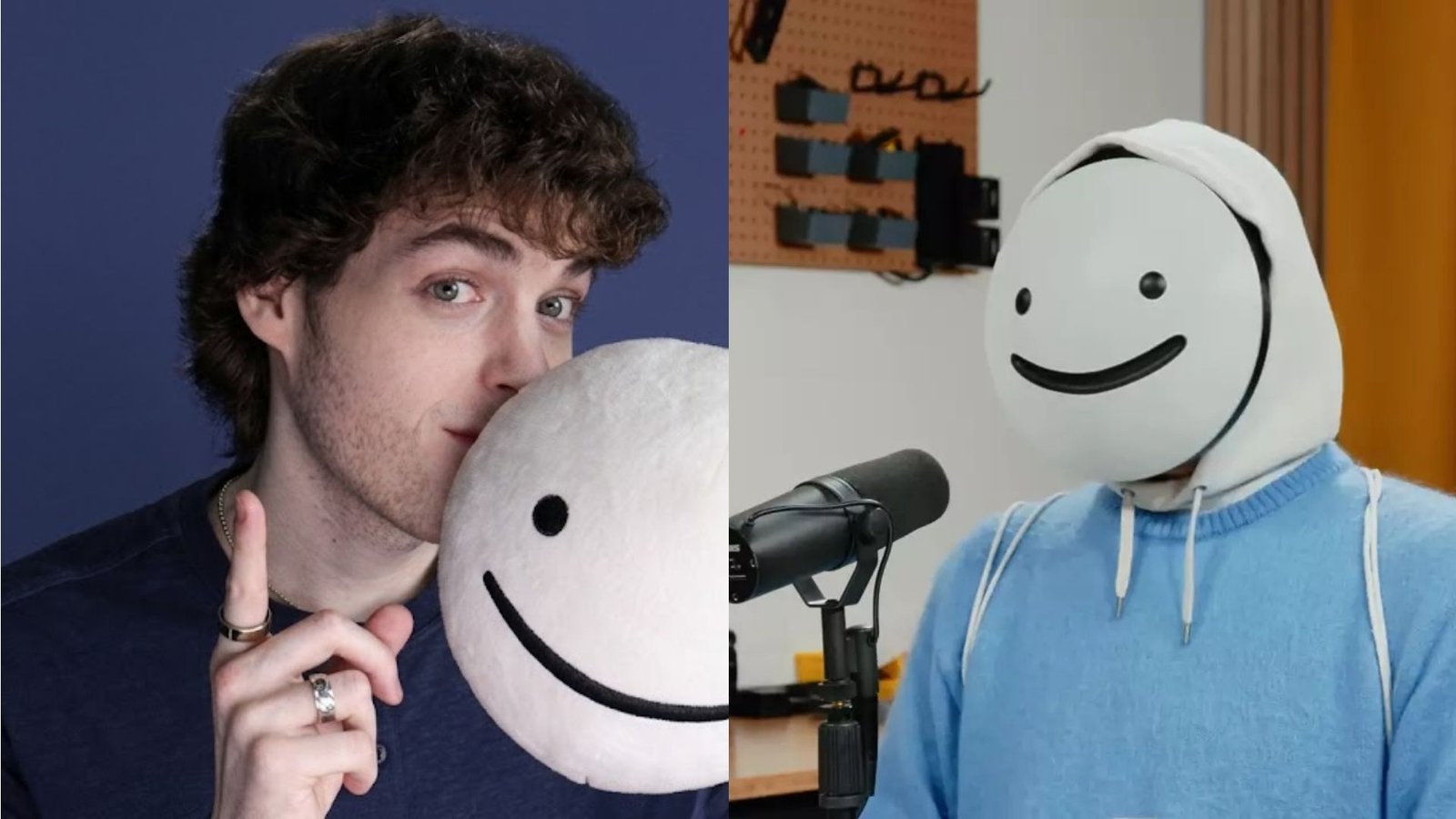
Clayton Ray Huff is widely linked online with Dream, the famous American Minecraft creator. For years, Dream built his name without showing his face. Fans knew his voice, his gaming style, and his simple smiley mask. They did not know much about the person behind the screen. That changed on October 2, 2022, when Dream finally showed his face and introduced himself as Clay. The reveal became a huge online event. Millions of people watched, and his name quickly became a major topic across social media.
Clayton Ray Huff became known for much more than hiding his face. His Minecraft videos helped him build one of the largest gaming audiences on YouTube. His Manhunt videos became his main calling card. He also worked with other major creators and helped build the Dream SMP, one of the most famous Minecraft servers in online culture. His work later moved into music, live content, and other creative projects.
There is still a lot of mystery around his private life. Some websites list personal details as facts, even when those claims come from old leaks or fan posts. A careful biography should not repeat those claims without proof. Public reports confirm that Dream is an American creator named Clay.
Clayton Ray Huff and the Life Behind Public Fame
Clayton Ray Huff became famous under the online name Dream. He built his audience mainly through gaming videos, live streams, and Minecraft challenges. His style was easy to understand. He set a goal, added danger, and made viewers want to know what would happen next.
That simple idea worked extremely well. Minecraft was already one of the biggest games in the world. Dream found new ways to use it. His videos were not just long game sessions. They had clear stories, strong goals, and fast action.
Dream also understood the value of mystery. He used a white smiley mask as part of his public image. Fans knew the mask before they knew his face. That image became closely tied to his channel.
For years, this helped him stand apart from other gaming creators. Many streamers showed their faces during every video. Dream did not. His voice and the mask became enough to create a huge following.
That choice also created a powerful fan culture. People wanted to know who he was. They guessed his age, location, school, and real name. Some guesses were harmless. Others crossed private lines.
Clay later said his anonymity had grown into a major part of his identity. What started as a simple choice became difficult to change once millions of people knew him.
Clarifying the Identity of Clayton Ray Huff
Clayton Ray Huff is the full name most often connected online with Dream. Several biography sites and online records use that name. Yet the strongest public evidence gives a simpler answer. During his face reveal, Dream looked into the camera and said his name was Clay.
That detail matters because the internet has long mixed facts with guesses about him. Fans spent years trying to uncover his private identity. Some posts claimed to show school records, old photos, or other personal information. Such material is not the same as a direct statement from the person involved.
Major news reports from the face reveal also called him Clay. The Los Angeles Times described him as a 23-year-old creator who had built a huge Minecraft audience. TIME gave the same first name and explained how the reveal ended years of online mystery.
So, the safest way to describe the public record is this. Dream is the creator. Clay is the name he personally shared. Clayton Ray Huff is the longer name widely attached to his identity online.
That distinction does not change his career story. It simply keeps the biography honest. His fame came from what he created, not from private records about his personal life.
Early Beginnings and Family Roots of Clayton Ray Huff
Very little about Clayton Ray Huff’s early family life has been confirmed by strong public sources. Dream has spoken about parts of his childhood and teenage years, but he has not made his whole family history public.
That means many online claims about his parents and siblings should be treated with care. Some websites publish names without showing where those details came from. Others copy the same information from older fan pages. Repeating a claim many times does not make it true.
Dream has spoken about having an interest in storytelling from a young age. In an interview with Colin and Samir, he explained that he once wanted to become an author. He also said he wrote long stories while he was young. That interest in storytelling later became useful in his video work.
His Minecraft videos often feel like short stories. There is a goal, a problem, and a final result. That style did not come from nowhere. His interest in writing helped shape the way he thought about online content.
Technology also became important early in his life. He learned about computers and coding. Those skills later helped him understand games and online platforms.
His early path was not the normal route to celebrity. He did not enter the entertainment business through television or film. He built his career from a computer and an internet connection.
Education and Personal Background of Clayton Ray Huff
Clayton Ray Huff’s formal education is another area where online claims are often hard to verify. Some websites name a high school and provide details about his school years. Those claims are not strong enough to present as certain facts.
What is clearer is that he developed useful technical skills while he was young. He learned about computers and worked with technology before YouTube became his main career.
Dream has also spoken about working at Apple. That experience gave him a look at the technology business. It was very different from his later life as a full-time creator.
His interest in coding was also useful. His official public profiles have long described coding as one of his interests. He understood that online success was not only about making videos. It was also about learning how platforms work.
That knowledge became important as his channel grew. He studied other creators and watched how they made content. He looked at what attracted viewers and what kept them watching.
His education story is therefore more than a school name. It includes self-learning, technology, writing, gaming, and online business skills.
That mix helped him build a career that was hard to copy. He was not simply playing Minecraft. He was learning how to turn a game into a media business.
The Career Journey of Clayton Ray Huff
Clayton Ray Huff became widely known as Dream after his YouTube channel began growing quickly around 2019. His Minecraft Manhunt videos played a major role in that rise.
The idea was simple. Dream tried to finish Minecraft while other players hunted him. The hunters had one job. Stop him before he could finish the game.
The format gave viewers a reason to stay. Every escape mattered. Every mistake could end the run. Every clever move could change the result.
This was a strong fit for YouTube. Viewers could understand the rules within seconds. They did not need to know every part of Minecraft to enjoy the chase.
His audience grew at an unusual speed. By the time of his 2022 face reveal, major outlets reported that he had more than 30 million YouTube subscribers. His channel had become one of the biggest gaming channels on the platform.
His success also came from teamwork. He regularly appeared with GeorgeNotFound, Sapnap, and other Minecraft creators. Their friendships became part of the content.
The rise was not only about one viral video. Dream kept making content that viewers understood. He found a format that worked and continued to develop it.
Professional Skills and Major Work of Clayton Ray Huff
One of Clayton Ray Huff’s strongest skills is simple storytelling. His videos usually have a clear purpose. Viewers know what Dream wants to achieve and what could stop him.
This structure made his content easy to follow. It also made Minecraft feel like a sport. The players had goals, rules, pressure, and winners.
He also learned how to build suspense. A normal Minecraft game can last for hours. Dream turned parts of that game into short stories filled with danger.
His technical background helped too. Coding gave him a better understanding of computers and games. It also helped him think about digital tools in a practical way.
His work with YouTube became the main part of his career. The platform gave him a direct path to viewers without the need for a traditional media company. His channel grew through recommendations, fan sharing, and repeat viewers.
He also became skilled at working with other creators. Group content allowed him to reach new audiences. It also gave his videos more energy.
Another skill was knowing when to create an event. The face reveal is the clearest example. Dream did not simply turn on a camera. He built anticipation for weeks before the reveal.
That approach showed that he understood his audience very well.
Important Projects That Shaped the Career
Minecraft Manhunt remains one of Dream’s most famous projects. The series helped turn his channel into a major force in gaming.
The strength of the series came from its simple rules. Dream had to complete Minecraft. The hunters had to stop him. That was enough to create tension.
The videos also changed with each new challenge. More hunters could be added. New rules could change the game. A small mistake could lead to a completely different ending.
Another major project was the Dream SMP. The server launched in 2020 and brought together a large group of Minecraft creators. Unlike a normal survival server, it became known for stories, conflicts, alliances, and role-play.
Dream was one of its central figures. His work on the server helped expand his audience beyond simple gaming challenges.
The Dream Team was another important part of his rise. GeorgeNotFound and Sapnap became close friends and regular creative partners.
These projects worked together. Manhunt showed Dream’s gaming skill. The SMP showed his interest in stories. Group videos showed his ability to build a community around friends.
The combination created a brand that was much larger than one Minecraft series.
How Clayton Ray Huff Met GeorgeNotFound
Clayton Ray Huff’s friendship with GeorgeNotFound became one of the most important relationships in his career. The two met online through Minecraft and built a friendship before meeting face to face.
For years, the friendship existed through computers and phones. They played games together, talked online, and made videos for millions of viewers.
That changed in 2022. George was moving from the United Kingdom to the United States. His move gave Dream a reason to finally step into public life.
Dream had said that he wanted to meet his online friends in person. He also wanted to stop hiding from the world. The face reveal became part of that change.
GeorgeNotFound became one of the first people close to Dream to see his face. Their meeting became a major moment for fans because it turned an online friendship into a real-world friendship.
This was more than fan service. It was personal for Dream. He had spent years creating friendships through screens. He wanted those relationships to exist outside the internet too.
The friendship also helped make the reveal feel natural. Dream was not only revealing himself to strangers. He was also preparing for a new stage of life with people he already trusted.
Music Career of Clayton Ray Huff
Clayton Ray Huff later expanded into music. His first major songs gave fans a different side of his creative work.
One of his early releases was “Roadtrip,” made with PmBata. He later released songs such as “Mask” and “Change My Clothes,” which featured Alec Benjamin.
The music gave him a chance to tell stories without a Minecraft screen. The songs also showed that his audience would follow him into another field.
His music career became more serious with later releases. He worked with major music companies and released the project “to whoever wants to hear.”
This move made sense for a creator who had already built a huge audience. He had millions of people who knew his voice and style.
Music was still a new field for him. Gaming had been his main skill for years. Moving into songs required different skills and a different kind of public reaction.
Still, the move showed that he did not want his career to depend on one game forever.
His creative work had started with Minecraft. It did not have to end there.
Turning Points That Changed the Career
One major turning point came when Dream decided to take YouTube seriously. He had worked with technology before, but content creation gave him a different path.
The next big change came with Minecraft Manhunt. The series gave his channel a clear identity and helped his audience grow at a rapid rate.
The Dream SMP then added another layer. It brought story, character, and community into his work.
But the biggest personal turning point was the face reveal.
On October 2, 2022, Dream uploaded “hi, I’m Dream.” He stood behind the famous smiley mask before finally lowering it. His face had never been shown publicly in this way before.
The video became an instant online event. More than one million people watched within the first hour, according to TIME. The video later passed tens of millions of views.
The reaction was mixed. Many fans were excited. Others posted cruel comments about his appearance.
The experience showed the danger of online fame. A person can control a character. It is much harder to control how millions of strangers judge a real face.
Dream later decided to use the mask again. That choice became another major change in his public image.
Family Life and Private World of Clayton Ray Huff
Clayton Ray Huff has kept much of his family life private. That makes it difficult to build a complete family profile from reliable sources.
Online pages often name parents, siblings, or other relatives. Some of these claims may come from old posts or private information that was shared without permission.
Those details should not be treated as confirmed facts.
What is clear is that friendships have played a major role in Dream’s public life. GeorgeNotFound and Sapnap have been central to his content for years.
Dream has also shared some details about his home life through his public accounts. His cat Patches became known to fans and appeared in posts connected to his life outside gaming.
He has not made marriage or children a central part of his public story. There is no strong public record that supports claims that he has a wife or children.
That is worth saying because celebrity pages often fill gaps with guesses. A private life is not an empty space that needs to be filled.
Dream’s story works without those details. His career, friendships, and creative projects already explain much of his public journey.
How Clayton Ray Huff Handles Public Attention
Clayton Ray Huff spent years protected by his online identity. Fans knew Dream, but they did not see the person behind the mask.
That protection ended in 2022. The face reveal gave fans what many had wanted for years. It also exposed him to a new level of personal judgment.
The response showed both sides of internet fame. Millions of people celebrated him. Others used the moment to attack his appearance.
TIME reported that negative hashtags began trending after the reveal. Dream later said the reaction had affected him and decided to bring back the mask.
In 2023, he announced that he was going back to the masked version of Dream. He said he regretted some of the attention and hate that followed the reveal.
The choice was interesting because the mask had once been a symbol of mystery. Now it also became a form of control.
Dream could decide how much of himself the audience saw. He could show his face when he wanted. He could also return to the character that had built his career.
That balance remains a major part of his public identity.
Private Lifestyle and Interests of Clayton Ray Huff
Clayton Ray Huff has spent much of his adult life online. Gaming, streaming, video production, and music have shaped his daily work.
He has also spoken about coding and technology. These interests connect his early work with his later career.
His private lifestyle is harder to describe with confidence. Some websites publish exact addresses, old school details, or other personal records. Those details should not be repeated here.
Public reports placed Dream in Florida around the time of his face reveal. That is enough to understand the setting of his career without giving private location details.
He has also shown interest in real-life content. Before the face reveal, he said he wanted to meet creators and spend more time outside his home.
That goal marked a major change. For years, his computer was the center of his work. He wanted to experience more of the world beyond the screen.
His interests now appear broader than gaming alone. Music, live events, friendships, and creative projects all form part of his public work.
Still, gaming remains the foundation.
Where Is Clayton Ray Huff Today?
Clayton Ray Huff remains known publicly as Dream. His official channels continue to focus on gaming, music, and other creative work.
Minecraft remains a major part of that work. His Manhunt series continues to be closely linked with his name.
His career is different from the period when his channel grew at its fastest rate. The internet changes quickly. Viewers move between platforms, creators change their styles, and games rise and fall.
Dream has responded by trying different types of content.
His music work is one example. Live appearances and real-world projects are another. He has also continued working with other creators.
Money is another subject that attracts many claims. Forbes estimated Dream’s 2023 creator earnings at about $6 million. That number refers to estimated earnings for that period, not a confirmed current net worth.
There is no reliable public figure that proves his current net worth in 2026. Online estimates should be treated as guesses.
The same rule applies to physical details. His exact height, weight, and other measurements are often listed online, but they are not needed to understand his career.
What matters most is that Dream remains an active creator with a large digital audience.
Final Thoughts on Clayton Ray Huff
Clayton Ray Huff’s story is really the story of Dream. He built a huge career while keeping his face hidden. That alone made him unusual. But the mask was only one part of the reason people watched.
His real strength was content. He knew how to take Minecraft and turn it into a clear story. He knew how to work with friends. He also understood how to make viewers care about what happened next.
The Dream SMP helped expand that world. Music later gave him another creative path. His face reveal then changed the relationship between the creator and his audience.
The reveal also showed the darker side of fame. Once a private person becomes a public face, control becomes harder. Dream’s return to the mask showed that he still wanted some control over that boundary.
Today, his career is not limited to one game or one style. He has already moved from gaming videos to music, live work, and other projects.
His future may look different again. That has been one of the most consistent parts of his career.
The person once known only through a smiley mask became a real public figure. Yet the name Dream still carries the strongest part of his story.
People also search for
Who is Clayton Ray Huff?
Clayton Ray Huff is the name widely linked online with Dream, the American Minecraft creator. Dream publicly introduced himself as Clay during his October 2022 face reveal. Major news reports confirm that Clay is the person behind the Dream channel.
What made Clayton Ray Huff famous?
He became famous through Minecraft videos, speedruns, streams, and especially Minecraft Manhunt. His videos placed clear goals and strong pressure inside the game. This simple format helped him reach a very large audience.
When did Clayton Ray Huff reveal his face?
Dream revealed his face on October 2, 2022. He uploaded a video called “hi, I’m Dream” and introduced himself as Clay. The event quickly became one of the biggest gaming moments online that year.
Is Clayton Ray Huff married or does he have children?
There is no strong public evidence confirming that Dream is married or has children. He keeps most family matters private. Many online claims about his personal relationships are not supported by reliable public records.
Is Clayton Ray Huff still making Minecraft content?
Yes. Dream continues to be associated with Minecraft and has continued releasing gaming content. He has also explored music and other creative projects, so his work now reaches beyond Minecraft alone.
BacktoFrontShow Pricing starts at $1,200 per month for the Basic plan. The Pro plan costs $3,600 per month, while the Enterprise plan uses custom quotes. These prices place the service far above most basic podcast tools.
The reason is simple. BacktoFrontShow does not market itself as a cheap hosting app for new creators. It presents itself as a podcast data and analytics platform. Its tools aim to help media teams study listeners, track show results, and make better content choices.
That does not mean every podcast should buy it. A small show may not gain enough value from a four-figure monthly bill. A large network, brand, or agency may see the cost in a very different way.
This guide explains each plan, what buyers may receive, and which teams may find the service useful.
What Is BacktoFrontShow?
BacktoFrontShow is a platform built around podcast analytics and audience data. Its website says users can study listener details, episode results, listening habits, feedback, and audience growth.
The service goes beyond a simple download count. It tries to show who is listening, how people respond, and where a show may gain or lose attention.
That type of data can help a team answer key questions. Which episodes hold attention? Which topics bring people back? Is the audience growing? Are listeners sharing or commenting on the show?
The platform may serve podcast networks, branded media teams, marketing firms, and larger creators. Its public plans also include tools for reports, user behavior, targeting, and business system links.
BacktoFrontShow Pricing at a Glance
The official pricing page lists three main plans:
| Plan | Monthly Price | Best Fit |
|---|---|---|
| Basic | $1,200 | Individual creators and small media teams |
| Pro | $3,600 | Growing networks and business podcast teams |
| Enterprise | Custom quote | Large networks and major media firms |
There is a sharp jump from Basic to Pro. The Pro plan costs three times as much as Basic. That means buyers should study the added tools before they move up.
The company does not list a set price for Enterprise. Large clients must contact the business and request a quote. The final fee may depend on the amount of data, reports, support, and system links needed.
Basic Plan: $1,200 per Month
The Basic plan is the lowest public option in the BacktoFrontShow Pricing model. At $1,200 per month, it costs $14,400 for a full year.
The official website lists listener data, episode tracking, listening patterns, reports, feedback analysis, and access support among its main tools. The pricing page also refers to user age, location data, social actions, and data security.
These tools can give a media team a clearer view of its audience. A team may see which episodes gain the most interest and which subjects fail to connect. It may also study likes, shares, comments, and other forms of response.
The Basic plan may suit a small network that already earns money from ads, sponsors, paid members, or client work. It is much harder to support for a new hobby show.
A podcast earning only a few hundred dollars each month would likely struggle to justify this fee. But a business show that supports sales or lead growth may measure value in another way.
Pro Plan: $3,600 per Month
The Pro plan costs $3,600 per month, or $43,200 over 12 months. It includes the main Basic tools and adds a deeper level of audience study.
The platform lists audience growth, listener loss, group targeting, and stronger engagement data as Pro features. Other public descriptions refer to listener behavior, device use, live data, sentiment tools, and API access.
Audience loss data can be useful for an active network. A team may learn when people stop following a show or when interest drops. It can then review recent episodes, release times, guests, or format changes.
Segmentation can also help brands split listeners into useful groups. One group may prefer short news episodes. Another may spend more time with long interviews. A team can use that data to plan content and ad offers.
Still, BacktoFrontShow Pricing at this level requires a clear business case. A company should know how the data will be used before paying $3,600 each month. Buying more reports does not help when no one has time to study them.
Enterprise Plan: Custom Pricing
The Enterprise plan has no public monthly rate. Buyers must contact BacktoFrontShow to discuss their needs.
This tier includes the Pro tools and adds features for larger firms. The official site lists predictive analysis, links with marketing or customer systems, custom reports, user behavior tracking, and access support.
Enterprise clients may also seek branded dashboards, wider geographic reports, managed support, and data built around their own workflow. The exact offer may differ for each buyer.
This plan is likely aimed at firms that run many shows or handle a large amount of listener data. A network with 20 active podcasts has very different needs from one creator with a weekly show.
Custom quotes are common in business software. They let a provider charge based on the size and difficulty of the work. But they also make cost checks harder. Buyers should ask for a full written quote before signing.
Does BacktoFrontShow Offer a Free Trial?
The public website does not list a permanent free plan. Instead, it asks users to request access.
The request form asks for a name, email address, selected plan, and message. The site also says access is subject to approval. This suggests that new users may need to speak with the team before using the dashboard.
A guided review can be useful at this price. Buyers should ask to test the system with real data from their own shows. A polished sample dashboard may look good but may not reflect the buyer’s true needs.
Before paying, ask whether the trial has a time limit. Also ask if setup, data imports, staff training, or support carry extra fees. The public request page does not explain all of these details.
What Makes the Plans So Expensive?
Podcast hosting can cost far less than BacktoFrontShow Pricing. But hosting and deep analytics are not the same service.
A basic host stores audio files and sends them to podcast apps. It may also show downloads, listener areas, devices, and episode trends. That is often enough for a small show.
BacktoFrontShow presents a broader data offer. Its public feature list includes audience groups, growth and loss rates, behavior tracking, predictive tools, reports, feedback study, and links with marketing systems.
These tools are built for teams that treat podcasts as business assets. Such teams may have staff, ad targets, sales goals, and many active shows.
The value does not come from seeing more numbers. It comes from using those numbers to make choices that raise income, cut waste, or improve audience growth.
Which Plan Gives the Best Value?
There is no single best plan for every buyer. The right choice depends on show size, team skill, and income.
Basic may offer the best fit for a small professional team. It provides the main audience and episode tools without the much higher Pro bill.
Pro may make sense for a growing network that needs listener groups, churn data, live reports, or API access. These tools can support ad sales and content plans across many shows.
Enterprise is best judged through a direct quote. A buyer should compare the final offer with its own data needs and staff costs.
Do not pick a plan because it has the longest feature list. Pick it because your team can turn those features into clear action.
How to Decide Whether the Cost Is Worth It
Start with the value of your podcast work.
A network that earns $100,000 each month may see a $3,600 data bill as modest. A creator who earns $2,000 each month may see the same bill as impossible.
Next, list the decisions the data will support. Perhaps you need to choose which shows to renew. You may want to prove audience quality to sponsors. You may need to learn why listeners leave.
Then set a clear goal. For example, the platform may need to help raise sponsor income by 10 percent. Or it may need to cut the time spent on manual reports.
You should also count staff time. A tool may save money when it replaces hours of spreadsheet work. But it may waste money when the team does not know how to use it.
A good BacktoFrontShow Pricing review must look at both direct cost and business impact.
Questions to Ask Before You Subscribe
Ask what is included in the monthly fee. Do not assume that every feature shown on the website comes with every account.
Find out how many shows, staff users, and data sources each plan supports. Ask whether historic data can be imported and how long setup takes.
You should also ask how the company defines a listener, an engagement event, and a lost audience member. Metric rules can differ between platforms.
Data rights matter too. Ask who owns imported data and reports. Find out how data is stored and what happens after the account ends.
Last, request details about cancellation. A monthly price does not always mean a month-to-month deal. Some business tools require annual terms.
Are the Consulting Packages Part of the Official Pricing?
Some online summaries connect BacktoFrontShow with separate strategy offers. These may include financial planning, funding advice, pitch support, and growth consulting.
The figures often mentioned are:
- Strategic Consultation at $2,500 per month
- Funding Guidance at $5,000 per month
- Full Growth Strategy at $8,500 per month
However, these packages do not appear on the public BacktoFrontShow pricing or feature pages reviewed for this article. They should not be treated as confirmed parts of the podcast platform without direct proof from the company.
They may belong to a separate consultant, former service offer, or unrelated business using a similar name.
Anyone interested in these services should request a written scope. It should state the company name, work included, payment terms, cancellation rules, and expected results.
BacktoFrontShow Pricing Compared With Basic Podcast Tools
A direct price match can be misleading. Many low-cost podcast products focus on hosting, uploads, and simple reports. BacktoFrontShow appears to focus on deeper business data.
Still, buyers should compare its tools with more than one rival. Check whether another platform already offers enough listener, device, location, and episode data for your needs.
You should also review tools from your host, Spotify, Apple Podcasts, YouTube, and ad service. Your team may already have much of the data it needs.
Paying for one clear dashboard can still save time. But a high monthly fee only makes sense when it solves a real problem.
Main Benefits of BacktoFrontShow
The platform may help teams place many podcast metrics in one system. This can reduce the need to check several separate dashboards.
Its reports may also help teams explain results to sponsors, managers, or clients. Clear audience data can support ad rates and content choices.
Pro and Enterprise tools may provide more value to networks with several shows. At that size, small gains in audience hold or ad sales can have a large effect.
And predictive tools may help teams spot changes before they become serious. Yet predictions should guide human choices, not replace them.
Possible Drawbacks to Consider
Price is the clearest concern. Even the Basic plan costs more than many small podcasts earn.
The public pages also leave some questions open. They do not clearly explain account limits, contract length, setup fees, or the full trial process.
Another risk is data overload. A team can collect hundreds of figures and still make weak choices. Useful analytics require clear goals and skilled staff.
The platform may also be too advanced for a show that needs only download counts and basic audience areas.
Final Thoughts on BacktoFrontShow Pricing
BacktoFrontShow Pricing starts at $1,200 per month for Basic and rises to $3,600 for Pro. Enterprise buyers must request a custom quote.
The plans target professional users rather than casual podcasters. Basic covers core listener and episode data. Pro adds stronger growth, targeting, and behavior tools. Enterprise supports larger systems and custom business needs.
The main question is not whether the platform has many features. It does. The real question is whether your team can use those features to improve income, content, or work speed.
For a large network, the cost may be fair. For a small show, it may be far too high. Review the data you already have, set clear goals, and request a real test before you sign.
Frequently Asked Questions
How much does BacktoFrontShow cost?
BacktoFrontShow starts at $1,200 per month for the Basic plan. Pro costs $3,600 per month, while Enterprise uses custom pricing.
Is there a free BacktoFrontShow plan?
The official website does not list a permanent free plan. Potential users can submit a request for access and select the plan they want to review.
What is included in the Basic plan?
Basic includes listener data, episode results, listening trends, reports, audience feedback, engagement monitoring, support, and security features.
Who should choose the Pro plan?
The Pro plan may suit podcast networks, agencies, and brands that need audience growth data, listener loss reports, targeting, behavior tracking, live insights, or API access.
Is BacktoFrontShow worth $1,200 per month?
It may be worth the cost for a professional media team that earns money from its shows and uses data to guide content or sales. It is unlikely to suit a small hobby podcast with little or no income.

Read All About Eugenia Jones: The Wife of Jerry Jones

Trevor Wakefield: Tim Wakefield’s Son and His Family Legacy

Ingrid Quinn: David Boreanaz’s First Wife and Her Private Life

All About Kristi Betts, The Life, Career, and Family Story of Chad Gable’s Wife

How Nicholas D’Agosto & Andrea Bricco Hooked Up: Their Love Story

Luca Celico Leite: Inside the Life of the Young Football Talent Following Kaká’s Legacy
-
 Entertainment4 months ago
All About Kristi Betts, The Life, Career, and Family Story of Chad Gable’s Wife
-
 Celebrity3 months ago
How Nicholas D’Agosto & Andrea Bricco Hooked Up: Their Love Story
-
 Celebrity3 months ago
Luca Celico Leite: Inside the Life of the Young Football Talent Following Kaká’s Legacy
-

 Celebrity3 months ago
Who Is Randy Fields? All About Debbi Fields’ Ex-Husband and Business Partner
-

 Entertainment4 months ago
Hudson Rechsteiner: Inside the Private Life of Rick Steiner’s Son and Brother of WWE Star Bron Breakker
-

 Celebrity3 months ago
The Untold Story of Zachary Knighton’s Ex-Wife: Everything About Hang Knighton and Private Family Life
-

 Sports3 months ago
Justin Tupper Biography: Net Worth, Family, Career, and Life With Torrie Wilson
-

 Celebrity3 months ago
Who Is Sanjay Nayar? Inside the Life of Falguni Nayar’s Husband and India’s Finance Veteran