
Celebrity
Who Was Judy Copeland? How Adam Copeland’s Mother Shaped a Wrestling Legend

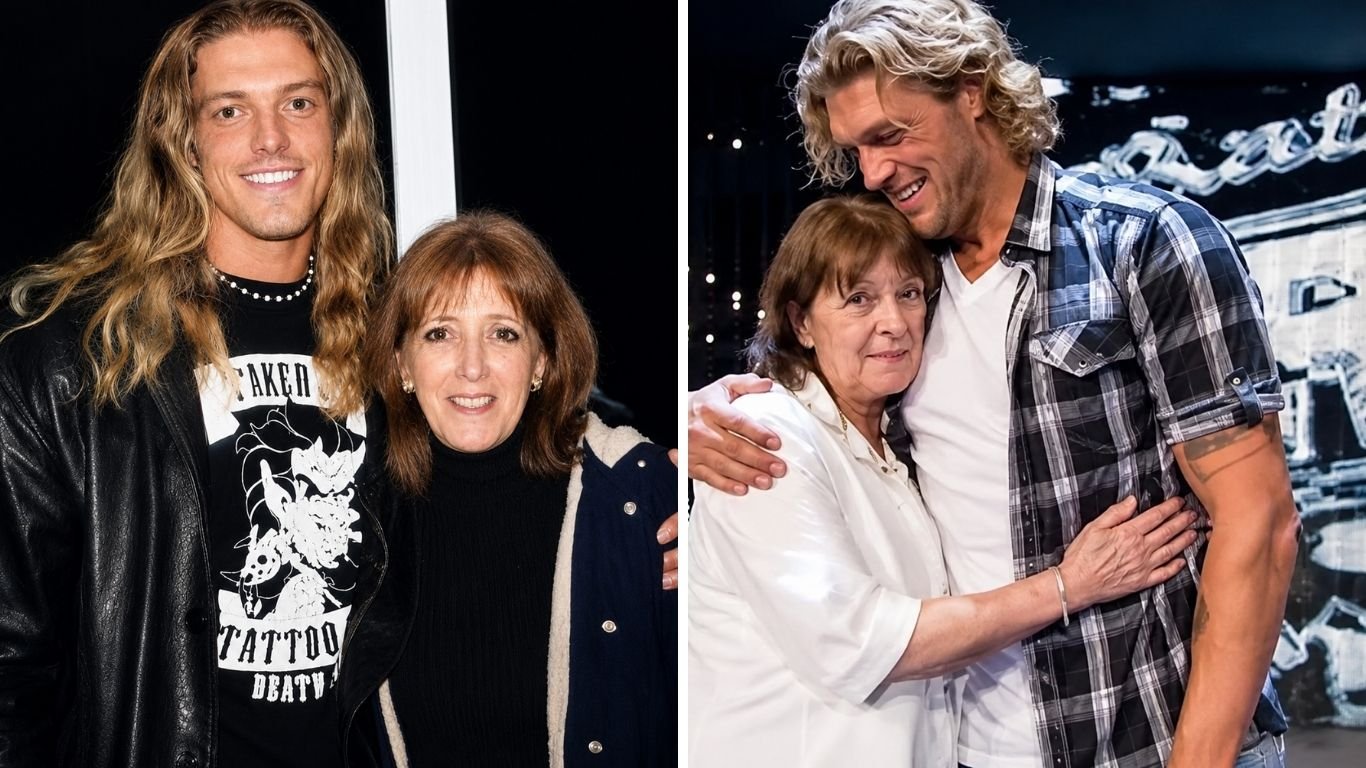
Judy Copeland is remembered as the devoted mother of Adam Copeland, the Canadian professional wrestling legend known worldwide as Edge. While she was not a celebrity in the traditional sense, her story holds deep emotional value because it shows how a private, hardworking mother helped shape one of wrestling’s most respected stars. Her life was built on sacrifice, love, patience, and a powerful belief in her son’s dreams.
Quick Bio
| Category | Details |
|---|---|
| Full Name | Judy Lynn Copeland |
| Known As | Adam “Edge” Copeland’s mother |
| Birth Year | 1953 |
| Date of Death | November 27, 2018 |
| Age at Death | 65 years old |
| Nationality | Canadian |
| Birthplace | Ontario, Canada, estimated |
| Residence | Orangeville, Ontario, Canada |
| Ethnicity | Reported as Northern European background, often linked to Irish and Scottish heritage |
| Height | Estimated around 5 feet 4 inches to 5 feet 6 inches |
| Weight | Estimated around 130 to 160 pounds |
| Profession | Waitress, secretary, and working mother |
| Children | Adam Joseph Copeland |
| Famous Child | Adam “Edge” Copeland |
| Daughter-in-Law | Beth Phoenix |
| Grandchildren | Lyric Rose Copeland and Ruby Ever Copeland |
| Estimated Net Worth | Around $50,000 to $150,000 at the time of death |
| Family Role | Single mother and lifelong supporter |
| Legacy | A symbol of sacrifice, love, and parental support |
Early Life and Background of Judy Copeland
Judy Copeland was born in 1953, during a period when many working-class Canadian families lived simple, practical lives. While exact details about her childhood remain private, her later life shows the values she likely carried from an early age: discipline, loyalty, and resilience. She did not build her identity around public attention. Instead, she lived quietly and focused on family, work, and survival.
Her life became publicly meaningful because of her son, Adam Copeland, who was born on October 30, 1973, in Orangeville, Ontario. Adam would later become known as Edge, one of the most successful wrestlers of his generation. However, before the championships, movie roles, and Hall of Fame honors, there was a young boy being raised by a mother who worked hard to keep their home stable.
Public details about her parents and siblings are limited, but memorial information has connected her to a larger Canadian family network. Still, the most important part of her background is her role as Adam’s only active parent. That role shaped both her life and his future. She became the person he depended on emotionally, financially, and personally.
Her family tree was not built around fame. It was built around real-life responsibilities. Her story reflects the lives of many mothers who support their children quietly, without expecting public credit.
Judy Copeland’s Life as Adam Copeland’s Mother
As Adam Copeland’s mother, Judy Copeland played the most important role in his early life. Adam has spoken with deep emotion about being raised by her alone. He did not grow up with a father figure in the traditional sense, and his mother became his full support system. She was not just his parent. She was his protector, guide, motivator, and emotional anchor.
Raising a child alone is never easy, especially when money is tight. She worked as a waitress and secretary, and she often had to stretch every dollar. Still, she made sure Adam had food, clothing, and a home. She also found ways to support the things that made him happy, including music, toys, and wrestling.
Adam’s love for professional wrestling started when he was young. Many parents might have dismissed such a dream as unrealistic. But Judy Copeland took a different approach. She listened. She believed. She encouraged. Her famous response when Adam told her he wanted to become a wrestler was not doubt or fear. It was encouragement.
That type of support can change a child’s life. For Adam, it gave him permission to dream big. For fans, it later became one of the most touching parts of Edge’s personal story.
Judy Copeland’s Lifestyle and Private Personality
The lifestyle of Judy Copeland was simple, private, and hardworking. She was not known for wealth, celebrity circles, public appearances, or luxury living. Her life was centered on responsibility and motherhood. She worked, raised her son, paid bills, and tried to give Adam the best life possible under difficult circumstances.
Her private personality made her different from many people connected to famous stars. She did not chase media attention after Adam became successful. She remained known mainly through his words and memories. That privacy adds respect to her story because it shows that her love and sacrifice were never performed for fame.
Her daily routine likely included long work hours, household responsibilities, and constant planning to make ends meet. She was a practical woman who understood struggle. But she also had warmth and humor. Adam affectionately referred to her in personal tributes with loving nicknames, showing the close and playful bond they shared.
Her lifestyle was not glamorous, but it was meaningful. She lived as a mother who gave everything she could. That kind of life deserves recognition because it represents a deeper form of success than fame alone.
Height, Weight, and Physical Appearance of Judy Copeland
Because Judy Copeland was a private person, her exact height and weight were never officially published. For biography purposes, her height can be estimated at around 5 feet 4 inches to 5 feet 6 inches, while her weight may have been around 130 to 160 pounds. These numbers should always be treated as estimates, not confirmed facts.
Public attention around her was never focused on appearance. Her importance came from her role in Adam’s life, not from physical details. However, readers often search for basic profile information, so estimated figures can help create a fuller article while still being honest.
She was remembered more for her presence, strength, and emotional bond with her son than for any public image. In photos and family-related memories, she appeared as a caring mother who shared a close connection with Adam.
Her true identity was not built around beauty standards, height, or weight. It was built around character. For that reason, any discussion of her physical profile should remain respectful and secondary to her biography, family, and legacy.
What Was Judy Copeland’s Net Worth?
The exact net worth of Judy Copeland was never publicly confirmed. Since she lived as a private citizen and worked regular jobs, her estimated personal net worth at the time of her death may have been between $50,000 and $150,000. This estimate is based on her working-class background, not on verified financial records.
It is important to separate her personal finances from Adam Copeland’s wealth. Adam became a major star through WWE, AEW, acting work, public appearances, and other entertainment projects. His career brought him significant financial success. However, his mother’s early life was very different. She worked hard before fame entered the family story.
In Adam’s childhood, money was limited. Judy Copeland had to make careful choices. She worked multiple jobs and still found ways to support his passions. That included buying toys, clothing, and even helping him experience wrestling events that inspired his future.
Her net worth may not have been large in financial terms, but her emotional value in Adam’s life was immeasurable. She gave him support that money could not replace. Once Adam became successful, he often made it clear that his mother’s sacrifices were central to everything he achieved.
Family Tree and Close Relationships
The family tree of Judy Copeland is most publicly known through her son, Adam Joseph Copeland. Adam is her only child and the person most closely connected to her public legacy. She raised him alone, and their bond became one of the most emotional family stories in professional wrestling.
Adam later married Beth Phoenix, a WWE Hall of Famer and respected wrestler in her own right. Through that marriage, Judy became connected to another major figure in wrestling history. Her grandchildren, Lyric Rose Copeland and Ruby Ever Copeland, also became part of her extended family legacy.
Public memorial details have also connected her to parents named Ivan and Edna, along with several siblings. However, most people know her through the mother-son relationship that shaped Adam’s path. That relationship remains the strongest branch of her public family tree.
Her family story is meaningful because it shows how one parent’s love can shape generations. Through Adam’s achievements and his own children, her influence continues. She may have lived privately, but her values became part of a larger family legacy.
The Single Mother Journey
Judy Copeland faced the difficult journey of raising Adam without the active presence of his father. Adam has openly shared that his mother was the only parent he had. That reality placed major emotional and financial pressure on her, but she did not allow those challenges to break her.
Single motherhood requires constant strength. She had to be both provider and caregiver. She had to work while also being emotionally available. She had to make difficult financial decisions while keeping Adam’s dreams alive. In many ways, her life shows the quiet heroism of parents who carry heavy responsibilities without public praise.
Her journey also shaped Adam’s personality. His grit, toughness, and determination did not appear by accident. They were formed by watching his mother keep going. Her work ethic became part of his mindset. Her loyalty became part of his emotional foundation.
Judy Copeland did not raise Adam with material abundance, but she raised him with belief. That belief became one of the strongest forces in his life and helped him push through the difficult road to professional wrestling.
Supporting Adam Copeland’s Wrestling Dream
One of the most powerful parts of Judy Copeland’s story is her support for Adam’s wrestling dream. Professional wrestling is not an easy career path. It requires training, travel, physical risk, rejection, and years of uncertainty. For a young person from a modest background, the dream could seem impossible.
Yet when Adam shared his goal, his mother did not discourage him. She did not tell him to choose something safer. Instead, she told him to do it. That encouragement gave him confidence at a key moment. It showed him that at least one person believed his dream was worth chasing.
She also supported his early fandom. Adam loved wrestling, music, and pop culture. Even when money was limited, she tried to give him small pieces of joy. Stories about her saving money for toys, tickets, or special experiences show how much she cared.
That support became part of Adam’s success story. No champion reaches the top alone. Behind Edge’s career was a mother who believed before the world did.
Financial Sacrifices and Work Ethic
The financial sacrifices of Judy Copeland were central to her life as a mother. She worked jobs such as waitressing and secretarial work to provide for Adam. These jobs required time, energy, patience, and humility. They were not glamorous, but they allowed her to keep going.
Her work ethic taught Adam important lessons. He saw firsthand that success requires effort. He saw that survival sometimes means doing whatever honest work is needed. Those lessons later appeared in his own career, where he became known for dedication, toughness, and persistence.
Money was often tight, but she still tried to make Adam feel supported. She did not let financial struggle remove joy from his childhood. That balance is difficult for any parent. It requires emotional strength as well as practical discipline.
Her sacrifices also help explain why Adam’s gratitude toward her was so deep. He understood that she gave more than she had. Judy Copeland turned limited resources into lasting love, and that love became part of his identity.
Public Recognition From Wrestling Fans
Although she lived privately, Judy Copeland became known to wrestling fans through Adam’s emotional moments. One of the most memorable examples came during Edge’s emotional retirement speech in 2011. When he thanked his mother, fans responded with a powerful “Thank you, Mom!” chant.
That moment showed how deeply fans understood her importance. They were not just cheering for a wrestler’s parent. They were honoring the woman who helped make Edge possible. It was a rare public tribute to a private person, and it remains one of the most touching family moments connected to Adam’s career.
Wrestling fans often connect strongly with real-life stories behind performers. Edge’s journey from a young fan in Ontario to a world champion became even more meaningful because of his mother’s sacrifices. Her presence in that story made his career feel human and relatable.
Judy Copeland earned respect not through fame, but through love. Fans recognized that, and their tribute showed that her story had reached far beyond her private life.
Adam Copeland’s Tribute After Her Passing
When Judy Copeland passed away on November 27, 2018, Adam shared a deeply emotional tribute. He described her as his rock, backbone, and bedrock. Those words revealed the depth of their bond and the pain of losing the only parent he had ever truly known.
Her death was not just a private family loss. It was also felt by many wrestling fans who had followed Edge’s career and understood how important she was to him. Tributes from fans showed that her influence had become part of wrestling history through Adam’s life.
Adam’s tribute made clear that her strength shaped him. He credited her with giving him grit, support, and the foundation he needed to chase a difficult dream. His words also reminded people that behind public success there are often private sacrifices.
The passing of Judy Copeland marked the end of a deeply meaningful mother-son chapter, but her influence did not disappear. It remained alive in Adam’s memories, his family, and the respect fans continue to show.
Success Story Through Her Son’s Career
The success of Adam Copeland is also part of his mother’s legacy. Edge became one of the most decorated performers in professional wrestling. He won world championships, headlined major events, entered the WWE Hall of Fame, acted in television projects, and later continued his career in AEW.
But before those achievements, he was a child with a dream. Judy Copeland helped protect that dream. Her belief gave him emotional permission to pursue a career that many people would have considered unrealistic. Her sacrifices made his path possible.
Her success story is different from Adam’s. She did not win titles or perform in arenas. Her success was raising a son who became strong, driven, and grateful. She helped build the foundation for a career that inspired millions of fans.
That is why her name remains important in Adam’s story. His victories were his own, but the support behind them came from home. In that sense, her life proves that a parent’s quiet dedication can echo through history.
Character, Values, and Personal Strength
Judy Copeland’s character can be understood through the way Adam described her. Words like rock, backbone, and bedrock suggest someone dependable, steady, and strong. She was not just emotionally loving. She was structurally important to his life.
Her values included hard work, loyalty, courage, and belief. She showed Adam that life could be difficult but still meaningful. She taught him that dreams matter, but effort matters too. She gave him emotional security even when financial security was limited.
Personal strength is often seen in public achievements, but her strength was quieter. It appeared in early mornings, long shifts, unpaid sacrifices, and private encouragement. It appeared in the way she kept going when life was not easy.
Her example remains powerful because it feels real. Many readers can relate to a parent who worked hard in silence. Judy Copeland represents that kind of everyday hero: not famous, not wealthy, but deeply important.
Legacy in Wrestling and Family Memory
The legacy of Judy Copeland lives through Adam Copeland, his family, and the fans who remember her role in his journey. She is part of wrestling history not because she performed in the ring, but because she helped shape someone who did.
Her legacy is also personal. Adam’s daughters, Lyric and Ruby, are part of the next generation connected to her story. Through them, the values she gave Adam can continue within the family. Her influence did not end with her passing.
In wrestling culture, family stories matter. Fans love the emotional background behind great performers. Edge’s rise becomes more powerful when readers understand the mother who stood behind him. Her sacrifices make his achievements feel even more meaningful.
Her memory also reminds people that fame is rarely built alone. Behind the spotlight, there are parents, mentors, and loved ones who give support before success arrives. Judy Copeland remains one of those unforgettable figures in Adam Copeland’s life story.
Why Judy Copeland Still Inspires Fans Today?
Judy Copeland continues to inspire fans because her story is honest and human. She was not rich, famous, or powerful in the public sense. She was a mother who worked hard, loved deeply, and believed in her child’s dream.
Her life speaks to anyone who has faced financial struggle, single parenthood, or the pressure of raising a family alone. It also speaks to dreamers who needed one person to believe in them. For Adam, that person was his mother.
Her story also adds emotional depth to Edge’s career. When fans watched him win titles, return from injury, retire, and come back again, they were also seeing the strength his mother helped build. Her influence was present even when she was not in the ring.
In the end, Judy Copeland’s biography is a tribute to love, sacrifice, and belief. Her estimated net worth may have been modest, but her true value cannot be measured in money. Her legacy proves that one supportive parent can change the direction of a life forever.
FAQs
Who was Judy Copeland?
Judy Copeland was the mother of Adam “Edge” Copeland, the Canadian professional wrestler, actor, and Hall of Fame performer. She raised him as a single mother in Ontario, Canada, and became one of the most important influences in his life.
What was Judy Copeland’s age when she died?
Judy Lynn Copeland was 65 years old when she passed away on November 27, 2018. She was born in 1953 and remained a private person throughout most of her life.
What was Judy Copeland’s estimated net worth?
Her personal net worth was never officially confirmed. For biography purposes, it can be estimated between $50,000 and $150,000, based on her working-class background and private life. This should be treated as an estimate only.
Was Judy Copeland married?
Her marital status was not publicly confirmed in detail. What is clearly known is that she raised Adam Copeland as a single mother, and Adam has publicly described her as the only parent he ever had.
How did Judy Copeland help Adam Copeland become successful?
She supported his wrestling dream from childhood, worked multiple jobs to provide for him, encouraged his passions, and gave him emotional strength. Her belief helped shape Adam’s confidence, work ethic, and long-term success in professional wrestling.

Eugenia Jones is an American philanthropist, art supporter, and family leader. Many football fans know her as the wife of Jerry Jones. Yet her own story reaches far beyond that famous marriage.
Often called Gene, she grew up in Arkansas. She later became a pageant winner and college student. Her public work now links sports, art, education, and service.
This biography follows her life from Arkansas to family life. It also explains how she met her future husband. It then covers the art and service work shaping her record.
Who is Eugenia Jones?
Gene is often called the First Lady of the Cowboys. The name reflects her place within a famous football family. It also points to her steady presence beside its owner.
Still, she is not simply a well known spouse. She has supported art, schools, hospitals, and children’s programs. Much of that service has taken place across North Texas.
Public interest in Eugenia Jones grew with the Cowboys family story. Her husband became one of football’s most visible owners. She chose a quieter style while building her own record.
That difference helps explain why readers want to know more. Jerry often speaks before cameras and large crowds. Gene usually lets projects, gifts, and public service show her values.
Her best known work has often supported other people. She has used access and resources to widen opportunity. Children, students, patients, and artists have gained from that focus.
Eugenia Jones Was Raised in Danville, Arkansas
Gene came from Danville, Arkansas, in Yell County. Danville is a small community in the Arkansas River Valley. Her childhood began far from major stadiums and national sports news.
Her Arkansas roots stayed important throughout her adult life. She and Jerry later built their name in Texas. Yet their family kept close ties with their home state.
That lasting bond appears in their gifts to Arkansas groups. It also appears in their support for young people. They have often joined family history with public service.
Gene has returned to Arkansas for major honors and events. In 2021, a state children’s group honored her service. The occasion placed her Arkansas background beside her Texas work.
Her hometown identity also remained part of public tributes. Official honors still describe her as a Danville native. That detail connects her current work with its earliest setting.
Eugenia Jones Grew Up in a Banking Family
Gene was born Eugenia Chambers and was called Gene. Her father worked as a banker in their small town. This placed her family within the daily life of Danville.
Verified records identify her parents as Mr. and Mrs. John Chambers. The University of Arkansas later honored them through the Jones family. A building entrance lobby now carries their names.
That tribute tied three parts of Gene’s life together. It honored her parents and her Arkansas roots. It also helped students at the school she attended.
Her family background receives less coverage than her marriage. Still, the known details give her story a firm start. She came from a small town and a banker’s family.
Gene later found a lasting way to honor them. A university gift supported a center for student athletes. Its entrance lobby bears the Chambers family name.
Eugenia Jones Found Early Success in Pageants
Before marriage brought national attention, Gene entered Arkansas pageants. She won Miss Arkansas USA in 1960. She also held the title of Arkansas Poultry Princess.
Those honors made her known within her home state. Both titles involved appearances before local and state audiences. They gave Gene public experience before her later civic work.
Her pageant history also shows an early public side. Gene could appear before judges, crowds, and local leaders. She did so years before the Cowboys entered her life.
Later profiles often describe her as a former beauty queen. That label is true, but it tells little alone. Her adult record would center on family, art, and service.
The two titles also reveal her early local visibility. One represented Arkansas in a national pageant system. The other reflected the state’s strong poultry industry.
Eugenia Jones Attended the University of Arkansas
Gene enrolled at the University of Arkansas in Fayetteville. The school became a key place in her personal life. It was there that she first crossed paths with Jerry.
The university also gave the couple a shared home base. Jerry played football for the Arkansas Razorbacks during college. Gene watched his deep love for the sport grow.
They married while both were still college students. Their link to the school continued for many decades. Their children and grandchildren also kept ties with Arkansas.
Later, the couple gave major support to university athletics. Their gift helped students with study, food, health, and training. It turned an old family bond into practical aid.
The school remained part of their wider family story. Several younger family members later studied in Fayetteville. This continued a connection that began with Gene and Jerry.
How Did Eugenia Jones Meet Jerry Jones?
Gene said they met on her first college day. That simple meeting began a marriage lasting over six decades. Their first date soon became a favorite family story.
Jerry took Gene to a local fair or carnival. He tried to win a large teddy bear. When the game beat him, he found another way.
He went behind the booth and bought the bear. Then he returned with the prize and a broad smile. Gene later saw that moment as proof of his drive.
The story carries warmth because it feels simple and real. It also shows a trait that shaped Jerry’s career. Gene noticed early that he rarely accepted defeat.
She later shared the memory during a major family honor. The bear became more than a first date prize. It offered a simple picture of Jerry’s determined nature.
Eugenia Jones Married Her College Sweetheart in 1963
Gene and Jerry married in 1963 while attending college. Their wedding came three years after that first date. They began adult life before wealth and football ownership arrived.
Their marriage grew through changing work and family demands. Jerry pursued business plans and kept his love for football. Gene became his trusted partner through each major change.
The couple marked their fiftieth wedding anniversary in 2013. By then, their name had become linked with the Cowboys. Their bond, however, began in an Arkansas college setting.
Jerry has often praised Gene’s care and steady advice. He has called her his closest adviser and best friend. Such words show the trust within their long partnership.
In 2017, Gene described their marriage in simple terms. She said it had been great through the decades. She also said she would not change a day.
A Young Family Before the Dallas Cowboys
The couple welcomed three children during the 1960s. Their first son, Stephen Jones, was born in 1964. Daughter Charlotte followed in 1966, then Jerry Jr. in 1969.
Family life began long before the Cowboys purchase. The children grew up while Jerry built his business career. Gene helped create the stable home around those changes.
Their daughter later described both parents as fully present. They attended school events, dance recitals, and family occasions. That attention helped shape a close family culture.
Gene once said their children were the couple’s main hobby. The remark shows how they viewed family time. Work mattered, but their children remained at the center.
Each child later joined the Cowboys as an executive. All three also became co-owners of the team. Their adult work made football a true family business.
Stephen became a leader in football operations and player work. Charlotte took a leading role in brand and community programs. Jerry Jr. focused on sales, marketing, and team events.
Eugenia Jones Supported the Dallas Cowboys Purchase
Family life changed sharply when Jerry pursued his football dream. In 1989, he bought the Dallas Cowboys from H. R. Bright. The decision placed the whole family’s future at risk.
Gene understood both the danger and the possible reward. She knew Jerry had loved football since his Arkansas years. She also knew owning a team had long interested him.
Jerry explained the plan to their three children. Gene later recalled that their future was tied together. Even with that pressure, she gave her husband full support.
She compared the choice with their first date story. When Jerry wanted that teddy bear, he found a way. The Cowboys purchase showed the same refusal to quit.
That support mattered during a hard early period. The team faced change both on and off the field. Gene stayed beside Jerry as the family entered public life.
Dallas won three Super Bowls during the 1990s. Gene saw the early gamble become a lasting family enterprise.
Eugenia Jones Helped Build a Football Family
The Cowboys soon became part of the family’s daily routine. Jerry led the team as owner, president, and general manager. Their children later took senior jobs beside him.
Stephen became chief operating officer and handled player matters. Charlotte became chief brand officer and led community work. Jerry Jr. became chief sales and marketing officer.
All three children are also co-owners of the team. Their roles cover football, business, events, sales, and public service. This structure keeps many major choices within the family.
Gene has remained a steady figure at team events. A 2021 profile said she had not missed a game. Her presence reflects both family care and love for football.
By 2025, the couple had 10 grandchildren. They also welcomed their first great-grandchild that same year. Several younger family members have joined the wider Cowboys operation.
Gene has said Jerry finds deep joy in their children. She believes their shared effort helped the team grow. Her words place family trust at the center of success.
Eugenia Jones Shaped AT&T Stadium Through Art
The family opened AT&T Stadium in Arlington in 2009. Gene played a key part in its design and construction. Her clearest influence appeared through art in public spaces.
She did not want the building to feel plain. Football fans would enter halls used by huge crowds. Gene saw those spaces as places for strong visual work.
This idea joined two audiences that rarely met. Sports fans could view major art during stadium visits. Artists could share their work beyond a museum or gallery.
Gene worked with Charlotte to develop that cultural plan. They selected art for large walls, halls, and gathering areas. The pieces became part of the stadium’s public identity.
Her approach gave the building a wider purpose. It remained a football stadium and major event site. Yet it also became a setting for modern art.
The collection later expanded into The Star in Frisco. That site opened as the team’s new headquarters in 2016. Art again became part of the public setting.
Eugenia Jones Created a Major Cowboys Art Collection
Gene became the driving force behind the Dallas Cowboys Art Collection. The program includes original and specially ordered modern works. It now extends from Arlington to The Star in Frisco.
Current Cowboys information lists 98 works by 65 artists. The group includes both known and rising creative voices. Paintings, photographs, and sculptures appear across shared public areas.
The collection makes art part of an ordinary visit. Guests may arrive for football, music, or another event. They can still meet serious art along the way.
Gene and Charlotte also connected the collection with young people. Their family foundation works with Arlington schools on art programs. Students receive chances to study pieces and meet creative ideas.
The project reflects Gene’s belief in wider arts access. It removes the feeling that art belongs only in museums. Instead, it places creative work before a broad public.
Several pieces were made for specific areas of the stadium. Their scale suits the large building and its crowds. This makes the art part of the space itself.
Eugenia Jones Has Led Wide Charitable Work
Gene’s service reaches well beyond sports and visual art. She and Jerry guide a family foundation tied to community needs. Its work has supported children, health, education, and relief.
The family has built a long partnership with the Salvation Army. Gene served on its Dallas County advisory board. The work connected the Cowboys with local families needing help.
The Gene and Jerry Jones Family Center opened in 1998. Located in Irving, it offers programs for children and families. Its services support young people facing difficult conditions.
Gene has also served Children’s Medical Center Dallas. Her work has included support for the American Cancer Society Hope Lodge. That center helps patients who travel for cancer care.
In 2021, the family gave $20 million toward another project. The National Medal of Honor Museum opened in Arlington in 2025. Gene and Jerry helped lead its national funding effort.
The family also responded after severe North Texas tornadoes. In 2019, its foundation and the NFL gave $1 million. The funds helped rebuild school sports spaces in Dallas.
Eugenia Jones Supports Children and Education
Youth programs form a clear part of Gene’s public record. The family’s Arlington Youth Foundation supports local young people. Its grants focus on sports, health, learning, and art.
The family pledged $16.5 million over 33 years. Funds go to groups serving children across Arlington. Grant recipients must also raise matching money for their plans.
The foundation joined the NFL on another major gift. Each side gave $1 million for a youth center. The North Texas Youth Education Town opened in 2013.
That center provides learning, sports, art, and after-school care. It also offers summer programs for children and their families. The project created a lasting local resource after the Super Bowl.
Gene and Jerry also gave $10.65 million to Arkansas athletics. The gift supported a student success center and other spaces. Students receive help with study, food, health, and career plans.
The center serves athletes from every university sports program. It offers tutoring rooms, meeting areas, and nutrition support. The gift joined sports success with classroom needs.
Public Honors and Important Family Moments
Gene’s arts leadership brought public honors of its own. In 2013, she and Charlotte received the Texas Medal of Arts. The award recognized them as individual arts patrons.
Southern Methodist University also reflects her support for learning. The couple gave $5 million for arts center changes. A grand atrium and outdoor plaza now carry their names.
One major family moment came in August 2017. Jerry entered the Pro Football Hall of Fame in Canton. He chose Gene to present him before the ceremony.
That choice was rare and carried deep meaning. She became one of only a few wives given that honor. Jerry called her the backbone and closest adviser of their family.
Arkansas honored Gene again during 2021. Children’s Advocacy Centers of Arkansas named her Woman of Inspiration. The honor recognized her long service to children in need.
Her civic work has also included several board roles. These reached arts centers, medical care, and public policy study. Southern Methodist University later named her a trustee emerita.
Final Thoughts
Gene’s life connects a small Arkansas town with national sports. Her story includes pageants, college love, marriage, and family growth. Yet public service gives that story its wider meaning.
She helped her husband take a major business risk. She then helped keep their children close through great change. That family bond became central to the Cowboys operation.
Her own work brought art into a football stadium. It also brought funds to schools, hospitals, and youth centers. These projects show a clear interest in public access.
Gene has kept a quieter profile than her husband. Still, her choices have shaped spaces used by many people. Her influence appears in art, learning, care, and family life.
That record explains the First Lady of the Cowboys title. It points to more than her marriage to an owner. It reflects decades of steady work around the team.
Her story also shows that quiet work can reach large crowds. Gene rarely seeks the strongest public spotlight. Still, the places she helped build remain easy to see.
Who is Jerry Jones’s wife?
Jerry’s wife is Eugenia “Gene” Chambers Jones. She is an Arkansas native, philanthropist, and arts patron. The couple met in college and married in 1963.
How long have Gene and Jerry Jones been married?
The couple has been married for more than six decades. They wed while attending college in 1963. Their relationship began three years before their wedding.
What does Gene Jones do for the Cowboys?
Gene does not manage daily football choices. She shaped the team’s art collection and supports community programs. She also appears at games and major family events.
How many children do Gene and Jerry Jones have?
They have three adult children named Stephen, Charlotte, and Jerry Jr. Each child is a Cowboys co-owner and senior executive. Their work covers football, branding, sales, and business matters.
Why is Gene Jones linked with art in Texas?
Gene led the creation of the Cowboys modern art collection. She has also supported arts groups and arts education. Her work helped place major art in busy public spaces.
Meta Description: Explore Eugenia Jones’s life, marriage to Jerry Jones, family, art leadership, charity work, and lasting influence on the Dallas Cowboys and Texas culture.
Read: Jaycob Tatum: The Football Brother Bue sports run through his family.

Kim Weeks is an American actress with a quiet public story. Most readers know her as the last wife of Charles Bronson. Yet she had built her own screen career before their marriage. Her credits span films, television movies, and large miniseries.
Their bond joined two people from different career stages. Bronson was already a world famous action star. Weeks was building a steady body of supporting work. They later acted together during his final years on screen.
This profile begins with her birth and acting career. It then follows her early link with Bronson and their work. Later sections will cover their marriage and life after fame. Every detail comes from public records or credited work.
Kim Weeks and Her Public Identity
Weeks holds an unusual place in Hollywood history. She was an actress before becoming a celebrity spouse. Her marriage made her name known to a wider audience. Still, her work remains a key part of her identity.
Her public career covers more than one film style. She appeared in crime stories, thrillers, and war dramas. She also worked on long television tales called miniseries. These shows tell one story across several episodes.
Many of her parts were supporting roles. Such work still demands care and strong timing. A supporting actor helps each scene feel real. The job can also link the story’s larger pieces.
Weeks rarely made her private life a public product. Her public record centers on acting and selected events. This makes her story less full than many star profiles. It also gives her biography a clear, fact based shape.
Kim Weeks Was Born in Florida
Reliable screen profiles give May 16, 1962, as her birthday. They list Patrick Air Force Base, Florida, as her birthplace. The base now carries the name Patrick Space Force Base. It sits near Florida’s Atlantic coast.
Her birthplace gives one firm point about her early years. Public records do not support a full childhood account. For that reason, her story should not add family claims. Her parents and early home life remain outside this profile.
The same care applies to her school years. No strong public record names a school or acting program. Her later credits show that she entered professional film work. They do not reveal where she learned her craft.
This limited record fits her wider public style. Weeks became visible through work, not personal interviews. She did not build fame around childhood stories. Her public identity formed once screen credits began appearing.
A Private Start Before Screen Work
Weeks reached adulthood before her first known movie credit. That fact allows a careful line between privacy and proof. Her early choices have not been widely documented. Her credited career offers the safer place to begin.
Acting careers often start with brief on-screen parts. These jobs teach the pace of a working set. Performers learn camera marks, timing, and scene focus. They also gain useful credit for later auditions.
Weeks followed a path built from smaller parts. She did not arrive through one huge leading role. Her record instead shows steady work across several years. That pattern is common among working screen actors.
This point matters when telling her story fairly. Marriage did not create her first professional credit. It later raised public interest in her name. Her acting work had already placed her before cameras.
Kim Weeks Began with Small Film Roles
Her earliest listed screen appearance came in 1986. She played an uncredited waitress in Raw Deal. John Irvin directed the action film. Arnold Schwarzenegger led its cast as a former FBI agent.
An uncredited part does not appear in the main titles. Yet it still involves work on a full production. The actor must fit the scene and follow direction. It can serve as a first step toward larger roles.
In 1988, Weeks appeared in Traxx as a nurse. The action comedy starred Shadoe Stevens in the title role. Its playful tone differed from a straight crime drama. That gave her experience in another type of project.
These parts were small, but they started a clear record. They also came before her public link with Bronson. Weeks was learning the trade through real film sets. Her career would soon move more toward television.
Kim Weeks Found Steady Work on Television
Television became an important home for her acting. In 1988, she appeared in Windmills of the Gods. The miniseries came from Sidney Sheldon’s political thriller. Jaclyn Smith and Robert Wagner led the cast.
Large miniseries brought film-style stories into viewers’ homes. Their casts often included many supporting performers. Each role helped build the story’s world and sense of danger. Weeks gained experience within that broad format.
Her next known projects also leaned toward suspense. This became a clear thread through her career. Crime, danger, and mystery shaped many of her credits. She worked within stories that moved at a firm pace.
These television jobs also reached a wide home audience. Viewers did not need to visit a theater. Networks and cable channels brought the work directly to them. That reach helped make television films strong career options.
Kim Weeks Expanded Her Range in 1990
The year 1990 brought two more television projects. Weeks played Mary Vibert in Night of the Fox. The war drama featured George Peppard and Michael York. Its story dealt with secrets before the Normandy invasion.
That project placed her inside a period setting. Period work asks actors to match another time. Clothes, speech, and behavior support the world on screen. Even a smaller part must remain true to that setting.
Weeks also played a detective in Rainbow Drive. The crime film starred Peter Weller and Sela Ward. Its plot followed a police case tied to hidden power. Her role fit the crime work found across her career.
Together, the projects showed useful range within drama. One used wartime Europe and a large spy plot. The other used modern Los Angeles and police work. Weeks could support both settings without drawing focus away.
Kim Weeks Took on Larger Miniseries Parts
In 1991, Weeks played Nadia in Memories of Midnight. The miniseries adapted another novel by Sidney Sheldon. Jane Seymour and Omar Sharif headed the cast. The story mixed romance, danger, and hidden motives.
Her return to Sheldon material showed career continuity. She had already worked on Windmills of the Gods. The later project gave her another named role. It also placed her beside well known screen performers.
She next appeared as Amparo Jiron in The Sands of Time. The 1992 television production also came from Sheldon’s work. Its story followed nuns caught in violent conflict in Spain. Deborah Raffin, Michael Nouri, and Amanda Plummer starred.
These credits gave Weeks more defined screen characters. Nadia and Amparo Jiron both carried names. That marked a step beyond unnamed early parts. Her work remained supporting work, but its shape had grown.
Kim Weeks Entered Charles Bronson’s Screen Circle
Weeks appeared in Donato and Daughter in 1993. She played Andrea Loring in the CBS crime film. Bronson starred as Los Angeles detective Mike Donato. Dana Delany played his daughter and fellow officer.
The film became Weeks’s first credited project with Bronson. It focused on police work and a strained family bond. Her part added another crime drama to her record. It also began their clear professional overlap on screen.
Their public connection was visible beyond that production. Photo archives place them together at events by 1992. They attended a Beverly Hills benefit that October. Later appearances showed them together at more industry gatherings.
The record supports a growing bond during the 1990s. It does not require a made-up first meeting story. Their shared work and public appearances provide firm markers. By this stage, their lives had clearly begun to connect.
Weeks kept acting while that connection became more visible. In 1995, she played a reporter in Raging Angels. The same year brought a far more lasting role. That role would join her screen career with Bronson’s final series.
Kim Weeks Joined the Family of Cops Cast
The 1995 television film Family of Cops became a key credit. Weeks played police detective Anna Meyer in the crime drama. Bronson led the story as veteran officer Paul Fein. His character headed a family filled with police workers.
The plot placed Paul’s daughter near a murder case. Her father and brothers worked to clear her name. Anna Meyer stood outside the main Fein family group. Yet her bond with Paul added a softer personal thread.
That part gave Weeks more room than her earliest roles. Anna had a name, a job, and an ongoing connection. She was more than a face inside one scene. The role also matched Weeks’s past work in crime stories.
The movie first aired on CBS in November 1995. Ted Kotcheff directed it as a television crime drama. Viewers knew Bronson for hard and quiet screen heroes. This role placed that strength inside a family story.
Production work took place in Milwaukee and Toronto. The two cities helped form one believable police setting. This approach was common in large television films. It gave the story city scale without losing its family focus.
Kim Weeks Returned for Breach of Faith
Weeks returned as Anna Meyer in the 1997 sequel. Breach of Faith: A Family of Cops II expanded her role. Anna worked as a detective within Paul Fein’s world. Their characters also moved toward a closer personal bond.
The main case involved the murder of a priest. The search led Paul’s family toward the Russian Mafia. Threats soon placed the whole Fein family at risk. Anna’s scenes offered calm beside the larger danger.
David Greene directed this second television film. Joe Penny joined the cast as Paul’s son Ben. Diane Ladd played Paul’s visiting sister, Shelly. Weeks remained part of the continuing group from the first story.
The film aired on CBS in February 1997. By then, Weeks and Bronson appeared together at public events. Photo records also identified them as a real couple. Their screen romance therefore had a clear link off camera.
Kim Weeks Completed the Television Trilogy
The series ended with Family of Cops III: Under Suspicion. It aired in January 1999 and continued the Fein story. Weeks returned as Anne Meyer, with a changed spelling. The character’s relationship with Paul remained part of the plot.
This time, Paul faced claims tied to police corruption. A double murder also pulled his family into danger. Paul kept working after being removed from the case. Anna stayed beside him during that difficult period.
The film marked the final screen credit for Bronson. It also remains the latest acting credit widely listed for Weeks. Their shared last project gave the trilogy special meaning. Fiction and real life had come together on screen.
Weeks had now played one character across three films. That kind of return creates a clear career marker. Viewers could follow Anna as her bond with Paul grew. Few of Weeks’s other roles offered that same span.
Sheldon Larry directed the last chapter of the series. Joe Penny, Barbara Williams, and Sebastian Spence also returned. Nicole de Boer joined as the youngest Fein daughter. The cast kept the family theme at the story’s center.
Kim Weeks Married Charles Bronson in 1998
The couple married in 1998 after several public years together. It was Bronson’s third marriage and Weeks’s best-known relationship. Reliable news records confirm the year without adding private details. Their wedding placed her within a famous film family.
Bronson had first married actress Harriet Tendler in 1949. That marriage ended in divorce during the 1960s. He later married actress Jill Ireland in 1968. Ireland remained his wife until her death in 1990.
Weeks entered his life after that painful loss. Her bond with him should not erase his earlier marriages. It was a new part of an already long personal story. She became his wife during his final career period.
Their age gap often draws online attention. Yet numbers reveal little about a private marriage. Their public record shows years of events and shared work. It also shows that they stayed married until his death.
Their event history had already grown before the wedding. They attended the Britannia Awards gathering in 1993. Other outings included a 1994 charity ball and a 1995 premiere. These dates show a long public bond, not a sudden match.
Kim Weeks Shared Bronson’s Final Years
The newlyweds attended the American Comedy Awards in 1999. They also appeared together at major charity gatherings. These included the Carousel of Hope Ball in 2000. Such events formed the public side of their marriage.
Away from cameras, Bronson’s health became a serious concern. He had ended his screen career after the third film. His later years included major health problems. Weeks remained his wife through that closing period.
Bronson died in Los Angeles on August 30, 2003. He was 81 years old at the time. Major news reports listed Weeks among his survivors. Their marriage had lasted for almost five years.
The couple had no publicly documented children together. Bronson already had children from his earlier family life. Weeks became part of that wider circle through marriage. She did not turn those family ties into public content.
Kim Weeks Built a Business After Acting
Her public work later moved away from film sets. She created EquiVisor, a sun visor for riding helmets. The product came from a problem she faced herself. Long days riding horses often left her with sunburn.
Weeks had competed in hunters, jumpers, and eventing. These are different forms of horse sport. Hunters value smooth movement and calm form. Jumpers and eventing place more focus on speed and tests.
She spent up to six days each week riding. A normal helmet brim gave too little sun cover. She wanted more shade without blocking her view. That need led her to design a larger visor.
Her company story says she never planned a product business. The personal solution slowly became a commercial item. The visor uses a grip system to hold its place. It can protect the face and ears while riding.
Life Beyond Hollywood
The product also grew from a serious health concern. Weeks has written about skin cancer within her family. Her father and grandfather spent much time outdoors. Both worked as fruit inspectors for the state of Florida.
She said both men faced squamous cell skin cancer. Her husband also dealt with that form of cancer. Seeing painful treatment made sun care deeply personal. The visor joined her love of horses with that concern.
Weeks later secured legal protection for her product designs. A new sport visor design received a US patent in 2026. The patent lists her as the inventor. This shows that her business work remains active and practical.
She filed that design in May 2025. The patent was granted in August 2026. Its record links the inventor to Rancho Park, California. That legal entry gives firm support to her recent design work.
Her current public profile identifies her with Los Angeles. It presents her as an actress and product creator. She also shares interests such as gardening and skin care. Her life now reaches beyond her former Hollywood roles.
Final Thoughts
Weeks first built her name through steady supporting work. Her credits covered action, crime, war, and suspense. Television later gave her several named characters. Anna Meyer became the strongest link across her screen career.
Her marriage brought far greater public attention. Still, it forms only one part of her record. She worked before marrying Bronson and created a business later. Those facts give her story a wider frame.
Privacy remains a clear part of her public image. She has not filled the press with family claims. Nor has she sold guesses about Bronson’s last years. The verified record stays focused on work and selected events.
That record shows an actress who changed direction with purpose. Film work led to a quiet life beyond acting. Horse sport then inspired a useful sun care product. Her story joins Hollywood history with personal invention.
Was Kim Weeks an actress?
Yes. She acted in films, television movies, and miniseries. Her credits began in the 1980s and continued through 1999. Her best-known role was detective Anna Meyer.
When did she marry Charles Bronson?
She married Bronson in 1998. The marriage continued until his death in August 2003. He was 81 when he died in Los Angeles.
Did she and Charles Bronson have children together?
No shared children appear in reliable public records. Bronson had children from his earlier family life. She kept her wider home life largely private.
Which movies did the couple make together?
They both appeared in Donato and Daughter and the three Family of Cops films. The last entry aired in 1999. It became the final screen project for each of them.
What does Charles Bronson’s widow do now?
She is publicly active as the creator of a riding visor. The product offers added sun cover around a helmet. Her work joins horse riding, skin care, and product design.

Thomas David Black is the younger son of actor, comedian, and musician Jack Black. His mother is artist and musician Tanya Haden. People know Tommy through this famous family link, not through a public career of his own. His rare event photos have also drawn interest from fans.
Tommy grew up near film, comedy, art, and live music. Yet his parents have not treated fame as his set path. Jack has said both sons should follow their own interests. He has also spoken with care about the stress celebrity can place on children.
This biography covers Tommy’s birth, name, parents, and older brother. It also explains his rich family history in music. Later sections follow his public appearances, creative interests, and private life. Every detail comes from interviews, event records, or trusted profiles.
Thomas David Black and His Public Identity
Tommy is known mainly because of his parents. His father has built a long career across movies, comedy, and music. His mother works in music and visual art. That family setting made public curiosity quite natural.
Still, Tommy is not a public star in his own right. He has no verified acting career or public business role. Most known facts come from his father’s interviews. A small number of family appearances add to that record.
This difference matters when telling his story. A famous last name does not prove a chosen career. It also does not make private details fair to guess. Tommy’s story is best told through the facts his family has shared.
Those facts show a young person surrounded by creative work. They also show parents who value choice. Jack speaks proudly about both sons. But he does not present their lives as an extension of his brand.
When Was Thomas David Black Born?
Tommy was born on May 23, 2008. He was the second child born to Jack and Tanya. His arrival came almost two years after his older brother’s birth. In August 2026, he is 18 years old.
His full name has a family link. Jack Black was born Thomas Jacob Black. Tommy therefore shares his father’s first given name. Family members use “Tommy” as his familiar nickname.
The middle name David helps keep their full names distinct. Trusted profiles list him as Thomas “Tommy” David Black. They do not support other versions of his name. That clear record helps prevent confusion with his father.
His parents had married in 2006, before his birth. By 2008, they were raising two young sons. Tommy entered a home already shaped by busy creative careers. Still, his parents worked to keep family life at the center.
Thomas David Black’s Parents and Family Setting
Jack and Tanya first knew each other as high school students. They attended Crossroads School in Santa Monica, California. They did not date during those school years. Their romantic relationship began much later, after they met again.
The couple reconnected at a friend’s surprise birthday gathering. Tanya asked Jack if he wanted to have dinner. Their courtship moved quickly, and they married in 2006. Their first son arrived that June.
Tommy was born into a home with two working artists. Film schedules and live shows formed part of Jack’s career. Tanya’s work included music, painting, and performance art. Their skills gave the boys many forms of art to see.
Yet the parents did not frame creativity as a duty. Jack has often said he will not push either son. He wants them to find work and interests that feel right. That view has guided how he discusses them in public.
Thomas David Black and Older Brother Sammy
Tommy has one older brother, Samuel “Sammy” Jason Black. Sammy was born on June 10, 2006. The brothers are less than two years apart. Many public family photos show them attending events together.
Their father has described both boys as creative. He said they enjoyed singing and dancing when they were small. As they grew, music and filmmaking stayed among their shared interests. Jack has still avoided choosing a path for them.
Sammy has one verified screen credit that Tommy does not share. He voiced a bunny in the 2016 film Kung Fu Panda 3. Jack said Sammy asked for the small part. The older boy even shaped how he delivered his brief line.
That credit should not be assigned to Tommy. The brothers are often grouped together in short online profiles. Clear reporting keeps their separate experiences straight. Tommy’s known interests deserve the same care and accuracy.
Thomas David Black and His Famous Father
Jack works as an actor, comedian, singer, and musician. Fans know him from family films, comedies, and the rock duo Tenacious D. His lively public style can fill a stage. At home, he has described a more focused role as a father.
Jack has said parenthood changed his life in a deep way. He calls starting a family one of his greatest life events. He also admits that raising children brings lasting worry. He wants both sons to feel happy and supported.
His work can make ordinary family moments harder to protect. Public interest follows the boys at premieres and games. Jack has noted that celebrity children face unusual stress. That concern helps explain his careful comments about their lives.
He also respects their growing independence. As teenagers, the boys sometimes found their energetic father embarrassing. Jack shared that point with humor, not complaint. He accepts that they need space to form their own identities.
Tanya Haden and a Home Filled With Art
Tommy’s mother has her own respected creative career. Tanya is a cellist, singer, painter, and performance artist. She earned a master’s degree in fine arts from California Institute of the Arts. Her studies included experimental animation.
She has performed with several Los Angeles area music groups. Her credits include work with Silversun Pickups. She also lent her voice to a character in Kung Fu Panda. These projects show her range across music, art, and film.
Tanya’s public style differs from her husband’s comic fame. Much of her work grows from group music and visual ideas. That contrast gave her sons two views of creative life. One came through major films, while another came through art and sound.
Jack has called Tanya a strong creative force. He has also praised her singing and cello work. The couple has performed together on special occasions. Their sons have therefore seen creative partnership within their own home.
Thomas David Black and the Haden Music Legacy
Tommy’s maternal grandfather was jazz bassist Charlie Haden. Charlie became known for bold, warm playing and deep musical skill. His long career made the Haden name important in modern jazz. He died in 2014.
Music also shaped the lives of Charlie’s children. Tanya and her sisters Petra and Rachel are triplets. They performed together as The Haden Triplets. Their brother Josh Haden also became a musician.
Charlie’s 2008 album Rambling Boy brought much of the family together. Tanya, Petra, Rachel, and Josh all took part. Jack also appeared on the album. The project joined several generations through shared songs.
Jack later said his sons had joined family music sessions. He recalled that some sessions led to concerts. He described the experience as fun for the family. This history gives context to Tommy’s interest in music without defining his future.
Thomas David Black’s First Public Appearances
Tommy appeared at a public family event while still very young. In November 2010, he joined his father at a Yo Gabba Gabba! Live show in Los Angeles. Event photos record the outing. He was two years old at the time.
In March 2011, both brothers attended a children’s reading event. The Milk and Bookies group held its second annual Reading Room in Los Angeles. Jack came with Sammy and Tommy. The event linked books, families, and community giving.
These outings offered brief views of Tommy’s early childhood. They were not personal media projects or career launches. He appeared as a child beside his father and brother. That setting is key to reading the photos fairly.
The early outings also show how Tommy entered public view. He did not seek interviews or perform for the press. Cameras recorded a family visit, then the family went home. His public identity stayed closely tied to family occasions.
Thomas David Black and His Creative Interests
Jack gave a careful update on his sons in 2023. He said they enjoyed music but wanted those efforts kept private. They did not like him sharing details about their musical projects.
That year, Jack also discussed their views on acting. He said neither son seemed eager to appear in movies. Their interest leaned more toward music, directing, and making films.
The comments reveal interest, not a finished career plan. Tommy has not used family interviews to market himself. He has also not turned private experiments into a public brand. This leaves room for him to learn without outside judgment.
His parents understand several sides of creative work. They can offer advice about performance, sound, and visual art. Yet Tommy can accept that guidance without copying either parent.
Why Did Thomas David Black Love Martial Arts?
Jack shared a playful story about Tommy in 2015. During a Tonight Show visit, he said his younger son loved martial arts. Tommy would jump out and surprise him at home. Jack joked that he needed to stay ready.
The actor also showed a photo during the interview. It pictured Tommy holding a dramatic ninja pose. Jack treated the image as a funny family moment. It offered a small view of Tommy’s active side.
The surprise attacks became strong enough for a fatherly talk. Jack told him not to use those moves on ordinary people. He said such skills were only for true danger. The warning mixed a real boundary with his usual humor.
No reliable report names Tommy’s martial arts style or rank. The interview only confirms his childhood interest. It does not show formal awards or competitive results. Keeping that limit clear protects the account from easy exaggeration.
Thomas David Black at the House with a Clock Premiere
On September 16, 2018, Tommy attended a film premiere in Hollywood. His parents and brother joined him at the TCL Chinese Theatre IMAX. The event celebrated The House with a Clock in Its Walls. Jack played a leading role in the fantasy film.
Arrival photos showed the four family members together. Tommy was ten and stood beside his parents and brother. The pictures gave fans a rare full-family view. They also marked one of his best-recorded red carpet outings.
The appearance supported Jack’s work, but it was not Tommy’s project. He had no reported role in the movie. He attended as part of the actor’s family. That distinction keeps an event credit separate from a film credit.
For Tommy, the night joined family time with Hollywood ceremony. Bright lights and press cameras surrounded the group. Yet the family shared only the public arrival. Reports did not turn the evening into a wider profile of his private life.
Thomas David Black at Jack Black’s Walk of Fame Ceremony
Two days later, the family attended another major Hollywood event. Jack received the 2,645th Hollywood Walk of Fame star on September 18, 2018. The ceremony took place at 6441 Hollywood Boulevard. His star honors work in motion pictures.
Organizers placed it beside the historic Stromberg Clock. That spot honored Jack’s new film and its clock-themed title. The detail gave the ceremony a playful link to his work. It also made the location more personal.
Tanya, Sammy, and Tommy stood beside Jack for family photos. Their presence showed support during a key career honor. Tommy did not speak as part of the ceremony. His role was simply that of a son sharing his father’s day.
This outing differs from a standard movie premiere. The star recognized years of screen work, not one release. Tommy witnessed a lasting public honor for his father. The family photos now form part of the ceremony’s official record.
Thomas David Black at the Jumanji Premiere
Tommy returned to the TCL Chinese Theatre on December 9, 2019. He joined Jack and Sammy at the Hollywood premiere of Jumanji: The Next Level. Jack was part of the movie’s main cast. The three posed together during the arrivals.
Tommy was eleven during this appearance. Event images show him taking part without seeking a separate spotlight. He came to mark his father’s film release. Like earlier outings, the premiere placed family support before personal promotion.
The night also produced a warm story about Sammy. Jack later said his older son reviewed the movie online. Sammy gave it a score of 8.5. Jack said that review mattered more to him than any other response.
The story shows how work could enter family talk. Jack remained a father even while promoting a large film. His sons could respond with their own views. Tommy’s attendance fits that same pattern of shared support and honest family interest.
Family Time Away From Cameras
Public events reveal only a small part of family life. Jack has described simple nights built around food and television. A good evening included a meal, then a show or movie. These routines gave the family time without an audience.
The pandemic created much more time at home. Jack later called that period a rare luxury with his sons. They could spend long stretches together. When film work resumed, he said he missed that daily contact.
In 2024, Jack named walks and talks as favorite moments. He valued talks about friends, relationships, and life. Advice requests had become less common as the boys grew. That made each honest talk feel even more meaningful.
He also avoids making his sons watch his movies. Jack believes they can discover those films if they wish. This turns family viewing into a choice, not homework. It also gives Tommy room to judge his father’s work for himself.
Thomas David Black and a Future of His Own
The verified public record through August 2026 remains quite narrow. It centers on family events and comments Jack chose to share. Tommy has not announced a public profession through reliable media. He has not presented himself as an actor or public figure.
That record calls for care, not guesswork. Creative interests do not prove a future job. A childhood hobby does not prove expert training. Family wealth also does not establish Tommy’s personal net worth.
Several online accounts blur his story with Sammy’s work. The Kung Fu Panda 3 voice role belongs to his brother. Other pages attach schools, body details, or careers without sound support. A responsible biography leaves such claims out.
Tommy now has the freedom to choose what comes next. He may share future work if he wants. He may also keep his plans within family and close friends. Either choice fits the independent path his parents have encouraged.
Final Thoughts
Tommy’s public story is small by design. It contains family milestones, a few red carpets, and warm stories from his father. These details offer a real picture without crossing private lines. They show a childhood near fame, not a life controlled by it.
His background joins two rich creative traditions. One comes from popular film, comedy, and rock music. The other comes from jazz, visual art, and close harmony. That mix gave him many examples of how art can take shape.
Still, family history does not decide personal identity. Tommy has shown interests in music, filmmaking, and martial arts. None requires him to seek the same public life as his parents. His next steps belong to him.
The clearest theme is choice supported by family care. Jack speaks proudly but accepts firm limits. Tanya brings her own quieter creative example. Together, they have left their younger son space to grow beyond a famous surname.
How old is Thomas David Black?
He is 18 years old as of August 2026. His birthday is May 23, and he was born in 2008. He is the younger of Jack and Tanya’s two sons.
Why is Tommy Black well known?
People know Tommy because he is Jack Black and Tanya Haden’s younger son. He has also appeared with his family at several Hollywood events. He does not have a separate public career.
Has Tommy Black acted in any movies?
No reliable source lists a verified acting credit for Tommy. His older brother voiced a bunny in Kung Fu Panda 3. That small role is sometimes wrongly linked to both brothers.
What interests has Tommy Black shown?
His father has discussed Tommy’s interest in music and martial arts. Jack also said both sons liked directing and filmmaking. He has avoided sharing private details about their creative work.
Does Tommy Black attend public events?
He has attended a small number of events with his family. They include film premieres and his father’s star ceremony. Such appearances have remained occasional rather than part of a public career.

Read All About Eugenia Jones: The Wife of Jerry Jones

Trevor Wakefield: Tim Wakefield’s Son and His Family Legacy

Ingrid Quinn: David Boreanaz’s First Wife and Her Private Life

All About Kristi Betts, The Life, Career, and Family Story of Chad Gable’s Wife

How Nicholas D’Agosto & Andrea Bricco Hooked Up: Their Love Story

Luca Celico Leite: Inside the Life of the Young Football Talent Following Kaká’s Legacy
-
 Entertainment4 months ago
All About Kristi Betts, The Life, Career, and Family Story of Chad Gable’s Wife
-
 Celebrity3 months ago
How Nicholas D’Agosto & Andrea Bricco Hooked Up: Their Love Story
-
 Celebrity3 months ago
Luca Celico Leite: Inside the Life of the Young Football Talent Following Kaká’s Legacy
-

 Celebrity3 months ago
Who Is Randy Fields? All About Debbi Fields’ Ex-Husband and Business Partner
-

 Entertainment4 months ago
Hudson Rechsteiner: Inside the Private Life of Rick Steiner’s Son and Brother of WWE Star Bron Breakker
-

 Celebrity3 months ago
The Untold Story of Zachary Knighton’s Ex-Wife: Everything About Hang Knighton and Private Family Life
-

 Sports3 months ago
Justin Tupper Biography: Net Worth, Family, Career, and Life With Torrie Wilson
-

 Celebrity3 months ago
Who Is Sanjay Nayar? Inside the Life of Falguni Nayar’s Husband and India’s Finance Veteran