
Health
ABS Testauslösung: What It Means, How It Works, and Why It Matters


ABS Testauslösung is a term that may appear in a vehicle scan tool, repair guide, or workshop report. At first, it can look hard to understand. The phrase is German and is linked to the Anti-lock Braking System, better known as ABS. In simple terms, it means an ABS test activation or controlled test trigger.
The process lets a technician test parts of the ABS without waiting for an emergency stop. A suitable diagnostic tool sends commands to the ABS control module. The module can then activate parts such as the pump or hydraulic valves. This helps show whether each part works as it should.
This guide explains what ABS Testauslösung means and how the process works. It also covers the main ABS parts, common test types, warning signs, fault causes, scan tools, brake bleeding, and safety. The goal is to make a technical topic easy for drivers and vehicle owners to understand.
What Does ABS Testauslösung Mean?
The word Testauslösung comes from German. It can be understood as “test activation” or “test triggering.” When used with ABS, it usually describes a controlled test of the vehicle’s anti-lock brake system.
The test is often carried out with a professional diagnostic scanner. The scanner communicates with the ABS control unit. It can ask the system to operate a pump, valve, warning lamp, or another supported part.
This type of test differs from normal ABS action on the road. During normal driving, ABS responds when it detects that a wheel may lock under braking. During a diagnostic test, the technician sends the activation command on purpose.
Diagnostic software may use other names for the same or similar functions. You may see terms such as ABS actuator test, ABS active test, component test, functional test, or bi-directional test. The exact name depends on the vehicle and scan tool.
How Does an Anti-lock Braking System Work?
A normal braking system slows the wheels when the driver presses the brake pedal. Under very hard braking, a wheel can stop turning while the vehicle is still moving. This is known as wheel lock.
ABS helps prevent that condition. Wheel speed sensors measure how fast individual wheels turn. Their signals travel to an electronic control unit. The control unit compares the wheel speeds and looks for signs that a wheel is about to lock.
If a wheel slows too fast, the system can change its brake pressure. Hydraulic valves can hold or reduce pressure at that wheel. The system can then raise pressure again when the wheel begins turning at a safer rate.
This cycle can happen very fast. A driver may feel a pulse through the brake pedal when ABS operates. That feeling can be normal during hard braking. The goal is to help the tires keep rolling and maintain useful steering control.
Main Parts Involved in ABS Operation
The wheel speed sensors are among the most important parts. They monitor wheel rotation and send signals to the ABS controller. A damaged sensor, dirty sensor area, broken wire, or damaged tone ring can affect these readings.
The ABS control module acts like the system’s electronic brain. It studies the sensor signals and decides when brake pressure needs to change. It can also store diagnostic trouble codes when it finds certain faults.
Another key part is the hydraulic modulator. It contains valves used to manage brake fluid pressure. Many units also contain a pump that helps move fluid during ABS control and some service procedures.
Wiring, connectors, fuses, relays, and the vehicle battery also matter. ABS depends on a stable electrical supply. A problem outside the hydraulic unit can therefore create an ABS fault or prevent a diagnostic test from running.
How Does ABS Testauslösung Work?
The process starts by connecting a compatible scan tool to the vehicle. Most modern vehicles have a diagnostic connector. The scanner must support more than basic engine code reading. It needs access to the ABS system and its active test functions.
The technician selects the correct vehicle and opens the ABS menu. The available commands depend on the car. A menu may include pump activation, valve control, automated brake bleeding, warning lamp tests, or other service functions.
When a test begins, the scanner sends a command to the ABS control module. The module then operates the selected part for a set period. For example, a pump test may make the pump motor run for several seconds.
The technician studies what happens during the command. A working pump may make a clear sound. A valve may produce a click. Scan data can also show whether the electronic command was accepted. These results help guide further checks.
What Is an ABS Actuator Test?
An ABS actuator test is one of the most common forms of controlled ABS testing. An actuator is a component that carries out an action after receiving a command. Pumps and solenoid valves are common examples.
During this test, the technician may select one actuator at a time. This makes diagnosis more focused. If the scanner commands the pump to run but nothing happens, the technician knows where to continue testing.
However, a failed response does not always mean the pump itself is bad. A blown fuse, weak power supply, damaged wire, poor ground, or faulty control unit may stop the pump from working.
This is why an actuator test is part of a wider diagnosis. A mechanic may combine the result with fault codes, electrical tests, wiring information, and live sensor data before replacing any part.
What Is a Bi-directional ABS Test?
A simple code reader mainly receives information from a vehicle. It can often read trouble codes and erase supported codes. A bi-directional scanner can do more because it can also send certain commands back to vehicle modules.
This two-way communication is useful during ABS Testauslösung. The scanner can request an action, while the vehicle reports information back. This gives technicians more control during fault finding.
For example, the tool may command an ABS pump to operate. It may also command specific valves to open or close. On supported vehicles, it can start a special brake bleeding routine after hydraulic work.
Not every scanner supports these functions. Even scanners with active tests may support them on only certain makes and models. Tool coverage should always be checked before a test begins.
Why Is ABS Testauslösung Performed?
One main reason is fault diagnosis. An ABS warning light may tell the driver that the system has detected a problem. A diagnostic scan can provide a fault code, but that code does not always prove which physical part has failed.
Controlled testing gives the technician more evidence. If a fault points toward the hydraulic pump, an active pump test can help check its response. Electrical checks can then confirm whether it receives the correct power and command.
Testing can also be useful after a repair. A technician may replace a sensor, repair wiring, service a hydraulic unit, or perform brake work. A functional test can help confirm that the system responds correctly afterward.
ABS tests may also support certain service procedures. Some vehicles need scan tool control when air enters the ABS hydraulic unit. The tool can operate internal valves and the pump as part of the specified bleeding process.
ABS Self-tests and Diagnostic Activation
A vehicle may perform its own ABS checks without a technician starting them. Some ABS systems run an initialization or self-test after the vehicle starts or begins moving. The exact behavior varies by manufacturer.
During a normal self-test, the system may briefly check electrical circuits and selected components. On some vehicles, a driver may hear a short mechanical sound or feel a slight vibration. This does not always mean something is wrong.
A scanner-controlled test is different. Here, a technician deliberately requests an action through diagnostic software. The purpose is to inspect a specific function or complete a service routine.
This difference matters because the term ABS Testauslösung can be used in more than one context. A workshop may use it for active diagnostic testing. Other material may use similar wording when describing an automatic ABS self-check.
Common Signs of an ABS Problem
An illuminated ABS warning light is one of the clearest signs. The lamp normally turns on briefly when the vehicle starts. If it stays on, the system may have detected a fault that needs diagnosis.
Some vehicles may also display traction control or stability control warnings. These systems can share wheel speed information and other ABS hardware. One sensor problem can therefore affect several safety functions.
Drivers may notice unusual behavior as well. The brake pedal may pulse when ABS should not be active. A pump may run at an unexpected time. Speed-related warning messages can also appear if sensor information becomes unreliable.
Yet symptoms alone cannot identify the failed part. Modern braking systems contain many linked components. A proper diagnostic scan and physical inspection are safer than replacing parts based only on a dashboard light.
Wheel Speed Sensor Faults and Testing
A wheel speed sensor measures the rotation of a wheel. The ABS module uses this information to compare wheel behavior. If one sensor sends a false or missing signal, the control unit may store a fault.
Sensor problems can come from several sources. The sensor itself may fail. Wiring can break or rub against moving parts. Connectors may become loose or corroded. Dirt or physical damage around the sensing area can also cause trouble.
Live data is very useful here. A technician can watch the reported speed of each wheel while the vehicle is tested under suitable conditions. One wheel showing a strange reading can point toward the affected circuit.
The technician can then inspect the sensor, connector, wiring, and related components. This approach is better than assuming every wheel speed code means that a new sensor is required.
ABS Pump and Hydraulic Valve Testing
The ABS pump supports hydraulic pressure control within the system. A diagnostic scanner with the correct functions may command the pump motor to run. The technician can then check whether it responds.
If the pump stays silent, more testing is needed. The technician may check the fuse, power feed, ground, wiring, relay where fitted, and control signals. Only then can the actual cause be narrowed down.
Solenoid valves can also be tested on many vehicles. These valves control brake fluid paths inside the hydraulic unit. During a supported active test, a valve may produce a small click as it operates.
A missing response can point toward an electrical or mechanical issue. Yet the scan command alone does not prove the exact fault. Proper diagnosis should include electrical data and the repair information for that specific vehicle.
ABS Testauslösung and Brake Bleeding
Brake bleeding removes unwanted air from the hydraulic braking system. Air can make the pedal feel soft because air compresses more easily than brake fluid. A firm hydraulic system is important for safe braking.
Traditional bleeding methods can remove air from brake lines and calipers. However, air may sometimes enter passages inside an ABS hydraulic unit. On some vehicles, a normal bleeding process may not operate the internal valves needed to move that air.
A scan tool may provide an ABS bleed function. This routine can activate the pump and valves in a controlled sequence. The technician then follows the maker’s specified steps to complete the bleeding process.
ABS bleed mode does not mean all normal bleeding steps can be skipped. Procedures differ by vehicle. The correct brake fluid, fluid level, wheel order, tools, and service instructions should always be followed.
Can a Normal OBD2 Scanner Run the Test?
Many basic OBD2 scanners focus on engine and emissions information. They can be useful for reading engine fault codes, but they may not communicate with the ABS module at all.
Some advanced scanners support ABS code reading but still lack active controls. They may show stored ABS faults and live information without being able to command a pump or valve.
To perform ABS Testauslösung, the tool normally needs bi-directional control or active test support for the exact vehicle. Compatibility matters because two vehicles can use very different electronic systems.
Before buying or using a scanner, check its supported functions. Look for ABS active tests, actuator control, functional tests, or automated ABS bleeding. Vehicle make, model, year, engine, and system type can affect support.
Common Reasons an ABS Active Test Fails
A test may fail simply because the scan tool does not support the vehicle. The software may show an option that is not available for a certain ABS module. Updated diagnostic software may sometimes be required.
Low battery voltage can also create problems. Electronic control units need stable power during testing. A weak battery may cause communication faults, failed commands, or misleading diagnostic results.
Electrical faults are another common cause. A damaged fuse, poor ground, loose connector, or broken wire can stop an actuator from responding. These problems should be checked before an expensive module is replaced.
The ABS unit itself can also develop a fault. Pump motors, valves, or electronic circuits can fail. Diagnosis should move in a logical order so that simple external problems are ruled out first.
Is ABS Testauslösung Safe?
ABS Testauslösung can be safe when the correct equipment and approved procedure are used. However, ABS forms part of the vehicle’s main braking system. Errors can affect brake performance.
The vehicle should be secured before workshop testing. Fluid level should be checked when the procedure involves hydraulics. Existing leaks or serious brake faults should be repaired before advanced tests continue.
A technician should also follow the vehicle maker’s service process. Different systems can use different test conditions. A scanner may require the ignition on, engine running, brake pedal pressed, or other specific conditions.
After brake repairs or bleeding, pedal feel must be checked. A vehicle should not be driven if the pedal feels unsafe or braking performance is uncertain. Complex brake diagnosis is best handled by a qualified technician.
Does ABS Testauslösung Fix an ABS Fault?
The test itself usually does not repair a damaged component. Its main purpose is diagnosis, functional checking, or support for a service routine. It helps technicians see how the system responds to a controlled command.
For example, running the pump does not repair a broken pump motor. Commanding a valve does not fix damaged wiring. The test simply provides information that can help locate the source of the problem.
There are some service routines that actively help complete a repair. An automated ABS bleeding sequence can move valves and operate the pump so trapped air can be removed. This supports the repair but does not replace correct mechanical work.
After the cause has been repaired, the technician may repeat the test. A successful response, clear fault memory, correct live data, and a full brake check can help confirm that the repair was effective.
How ABS Testing Helps Avoid Wrong Repairs
ABS parts can be expensive. Replacing a hydraulic module simply because a warning light appears can waste money. The real problem may be a damaged wire, poor connector, sensor issue, or weak electrical supply.
A structured diagnosis starts with the warning symptoms and stored trouble codes. The technician then checks relevant live data and electrical circuits. Active tests can provide another useful layer of evidence.
Suppose a scanner reports a pump-related code. The technician can command the pump, test its electrical supply, inspect the ground, and check related wiring. These steps help separate a failed pump from an external electrical fault.
This is the main value of controlled testing. It does not remove the need for skill. Instead, it gives a trained technician more information before a repair decision is made.
ABS, Traction Control, and Stability Systems
Modern ABS often works closely with traction control and electronic stability control. These systems can share wheel speed sensors, hydraulic components, and electronic information.
Traction control can respond when a driven wheel spins too fast. Stability control can use braking at selected wheels to help manage vehicle movement. Both functions depend on accurate sensor data and working brake control hardware.
This explains why one ABS problem can cause several dashboard warnings. A failed wheel speed signal may affect ABS, traction control, and stability control at the same time.
Diagnostic testing should therefore consider the full system. Clearing one warning light without finding the actual cause may not solve the problem. Correct diagnosis looks at fault codes, data, wiring, hardware, and system interaction.
Final Thoughts
ABS Testauslösung is a controlled way to test functions of a vehicle’s Anti-lock Braking System. The German term generally means ABS test activation or test triggering. In diagnostic software, similar functions may appear as an actuator test, active test, functional test, or bi-directional control.
The process can let a compatible scanner communicate directly with the ABS control module. Depending on the vehicle, it may activate the hydraulic pump, operate solenoid valves, check supported components, or start an automated brake bleeding routine. These functions help technicians find faults and verify repairs.
ABS testing works best as part of a complete diagnostic process. Trouble codes, live wheel speed data, electrical checks, physical inspection, and manufacturer procedures all matter. A failed active test should never lead straight to an expensive part replacement without further checks.
Drivers should also remember that ABS is a safety system. Basic information can help owners understand a workshop report, but brake repairs require care. If the ABS light stays on, the pedal feels unusual, or braking performance changes, the vehicle should receive proper inspection before normal use continues.
What is ABS Testauslösung in English?
ABS Testauslösung usually means ABS test activation or ABS test triggering. In scan tools, it may also be called an ABS actuator test, active test, functional test, component test, or bi-directional test.
What happens during an ABS actuator test?
A compatible scanner sends a command to the ABS control module. The module then operates a supported component, such as the pump motor or a hydraulic valve. The technician checks whether that component responds correctly.
Can every diagnostic scanner perform ABS Testauslösung?
No. Basic code readers often cannot run ABS active tests. The scanner needs bi-directional or active control support for the specific vehicle. Some tools can read ABS codes but cannot operate pumps or valves.
Why is an ABS bleed function needed?
Some brake repairs can allow air into the ABS hydraulic unit. A supported bleed routine operates internal valves and the pump to help move trapped air. The normal brake bleeding steps may still be required.
Is it safe to drive with the ABS warning light on?
An ABS warning light means the system may have detected a fault. Normal braking may still be available on many vehicles, but anti-lock or related stability functions may be limited. Because braking is safety-critical, the cause should be diagnosed promptly.
Meta Description: Learn what ABS Testauslösung means, how ABS test activation works, which parts it checks, common faults, scanner needs, brake bleeding, and key safety steps.

Back pain can change the way a person moves, sleeps, works, and rests. A small ache may make bending hard. Strong pain may stop a person from walking with ease. Doctors may use the word Dorsalgia as a general term for pain felt in the back. The pain can come from muscles, joints, bones, discs, or nerves around the spine.
The back is a strong part of the body, but it also takes a lot of daily stress. It helps hold the body upright. It bends, turns, and carries weight. Because many parts work together, pain can start for many reasons. A muscle strain is common, but nerve pressure, arthritis, injury, or another health problem may also cause pain.
This guide explains what dorsalgia means, the main types of back pain, common symptoms, possible causes, and ways doctors may check the problem. It also looks at treatment, safe daily habits, exercise, prevention, and warning signs that need medical care. The goal is to make this broad medical term easier to understand.
What Is Dorsalgia?
Dorsalgia means pain in the back. It is not one exact disease. It is a medical label that can be used when a person has pain linked to the back or spinal area. The pain may be mild, sharp, dull, burning, or hard to describe. It may stay in one spot or move into another area.
The spine runs from the neck down to the lower back. It contains bones called vertebrae. Discs sit between many of these bones. Muscles and ligaments support movement. Nerves leave the spine and travel to other parts of the body. Trouble in any of these parts can lead to back pain.
Back pain is very common. It can happen after lifting, twisting, sitting too long, or having an injury. In many cases, the exact cause is not clear. Most short-term back pain improves with time and simple care. Still, some cases need medical review.
Common Types of Dorsalgia
Doctors often describe back pain by where it is felt and how long it lasts. Cervical pain affects the neck area. Thoracic pain affects the middle or upper back. Lumbar pain affects the lower back. Pain can also cross more than one part of the spine.
The lower back is a common place for pain because it supports much of the body’s weight. The middle back may hurt after strain, poor movement, or injury. Pain near the upper back can involve muscles around the shoulders, ribs, or spine.
Time also matters. Acute pain starts suddenly and often lasts for a short period. It may follow a strain, quick movement, or minor injury. Chronic pain lasts much longer. Back pain is usually called chronic when it continues for more than three months.
Some people also have pain linked to a nerve. This may feel like burning, tingling, or electric pain. The pain may travel away from the back and into a leg. These labels help doctors describe the pain pattern, but they do not always reveal the exact cause.
What Does Dorsalgia Feel Like?
Dorsalgia can feel very different from one person to another. Some people notice a dull ache after a long day. Others feel sharp pain when they bend, stand, walk, or twist. The pain may also feel tight, sore, hot, burning, or stabbing.
Some back pain stays in one place. Other pain spreads into the buttock, hip, or leg. Mayo Clinic notes that back pain can range from a muscle ache to a shooting or burning feeling. Movement such as lifting, bending, or walking may make it worse.
Stiffness is also common. A person may find it hard to stand straight after sitting for a long time. Turning in bed may hurt. Walking may feel slow. Some people can still do normal tasks but feel sore. Others may need to stop certain movements for a short time.
Nerve symptoms need more care. Tingling, numbness, or weakness in a leg may mean that a nerve is irritated. These symptoms do not always point to a severe problem. Still, they should be reported to a health professional if they are new, strong, or getting worse.
Main Causes of Back Pain
Many cases of back pain begin in muscles or ligaments. A sudden lift, awkward twist, hard workout, or poor lifting method can strain soft tissue. Long periods of sitting may also make the back feel stiff or sore.
A person can also develop pain after doing more activity than usual. Yard work, moving furniture, sports, or a new workout can place extra stress on muscles that are not ready for the load.
Other causes can involve discs, joints, bones, or nerves. A spinal disc may bulge or herniate and irritate a nearby nerve. Arthritis can affect joints in the spine. Osteoporosis can make bones weaker and raise the risk of a fracture. Falls, sports injuries, and vehicle crashes may also damage the back.
Not every case has a clear cause. A person can have real pain even when a scan does not show one simple problem. Doctors therefore look at the medical history, physical exam, symptoms, and test results together.
Nerve Pain and Sciatica
Sometimes dorsalgia involves a spinal nerve. One well-known pattern is sciatica. This term describes pain that follows the path of the sciatic nerve. It often starts near the lower back or buttock and moves into the leg.
The pain may feel sharp, burning, hot, or electric. A person may also notice tingling, pins and needles, numbness, or weakness. Sitting for a long time or making certain movements may make the symptoms worse.
A herniated disc is one possible cause. Disc material may press on or irritate a nearby nerve. Other changes around the spine may also affect nerve roots.
Pain that travels below the knee, new weakness, or strong numbness deserves medical review. A doctor may test muscle strength, reflexes, movement, and skin feeling.
Most nerve pain does not mean permanent nerve damage. However, sudden major weakness or loss of bladder or bowel control can be a medical emergency. Those symptoms need urgent medical care.
Arthritis, Discs, and Age-Related Changes
The spine changes as people grow older. Discs may lose some water and height. Joints can show signs of wear. Arthritis may cause pain and stiffness. However, normal age-related changes do not always cause symptoms.
This point matters because a finding on a scan is not always the cause of a person’s pain. Some people have changes on an X-ray or MRI but feel little or no pain. Others have strong pain even when imaging shows only minor changes.
Doctors therefore try to match test results with the person’s symptoms. They look at where the pain occurs, which movements affect it, and whether nerve symptoms are present.
Chronic lower back pain can also be linked with arthritis, older injuries, or years of physical work. Some people have times when pain gets better and then returns.
Care may focus on movement, strength, pain control, and daily function. The goal is not always to remove every change seen on a scan. Instead, treatment often aims to help the person move and live with less pain.
Poor Posture and Long Periods of Sitting
People often blame poor posture for every backache, but the issue is more complex. The body can handle many positions. Problems may appear when someone stays in one position for a very long time or when a position causes ongoing discomfort.
Sitting at a desk for many hours can make muscles feel stiff and tired. The same can happen during long drives or long periods on a couch. Moving less also means the back muscles get fewer chances to stretch and work.
Changing position often may help. A person can stand, walk for a short time, or move the shoulders and hips. A chair that gives support may also improve comfort during desk work.
There is no single perfect posture that every person must hold all day. A comfortable position that allows regular movement is often more practical.
People who work at a computer can also keep the screen and keyboard at a useful height. The aim is to avoid forcing the neck, shoulders, and back into an uncomfortable position for hours.
How Doctors Diagnose Dorsalgia
A medical visit often begins with questions. The doctor may ask where the pain is, when it started, and what it feels like. They may ask if the pain spreads into another area or gets worse during certain movements.
A health professional may also ask about falls, lifting, exercise, work, past injuries, fever, weight loss, cancer history, or changes in bladder and bowel control. These details can help rule out more serious causes.
The physical exam may include bending, walking, leg movement, strength checks, reflexes, and tests for feeling in the skin. The doctor may press on parts of the back to find sore or painful areas.
These simple checks can provide a great deal of information. They may show whether the pain appears to come from muscles, joints, or nerves.
Many people do not need an X-ray, CT scan, or MRI right away. Imaging is often saved for cases with warning signs, serious injury, nerve problems, or pain that does not improve as expected.
When Imaging and Other Tests May Be Needed
Doctors choose tests based on the person’s symptoms and medical history. They do not normally order every test for every case of back pain.
An X-ray can show bones and some changes in spinal alignment. It may help find certain fractures or bone problems. A CT scan provides more detail about bones and other structures.
An MRI gives detailed images of discs, nerves, and other soft tissues. It may be useful when a doctor suspects strong nerve pressure or another problem that cannot be seen well on an X-ray.
Blood tests may also be used in some cases. They can help when infection, inflammation, or another medical condition is a concern.
Imaging may be needed sooner after major trauma or when serious warning signs are present. New bladder or bowel problems, severe weakness, fever, cancer history, or trouble walking may change how quickly tests are ordered.
More testing is not always better. Scans may show common changes that have nothing to do with the pain. The doctor must decide whether a finding matches the symptoms.
Treatment for Mild and Short-Term Back Pain
Treatment for dorsalgia depends on its cause, how long it has lasted, and the person’s general health. Many mild cases get better within days or weeks.
Heat or cold may help some people feel more comfortable. Ice may be useful after some new injuries, while warmth can help relax tight muscles. The choice often depends on what feels best and what a health professional advises.
Gentle movement is also important. Long periods of bed rest are usually not recommended. A person may need to reduce heavy lifting or painful tasks for a short period, but complete rest can lead to more stiffness.
MedlinePlus notes that staying in bed for more than one or two days can make some back pain worse. A gradual return to walking and basic daily activities is often part of recovery.
People should avoid forcing movements that cause strong pain. Returning to activity should be gradual. If pain becomes worse rather than better, medical advice may be needed.
Physical Therapy and Exercise
Physical therapy can help people whose pain lasts, returns often, or limits daily movement. A physical therapist may check strength, balance, flexibility, posture, and the way a person bends or walks.
The therapist can then build an exercise plan around the person’s needs. The plan may include gentle movement, stretching, walking, and strength work.
Exercise does not need to be very hard to help. Simple activities can improve movement and help the muscles around the back support the body.
The right level of exercise depends on the cause and current symptoms. A person recovering from a new injury may need a different plan from someone who has had back pain for many months.
Timing is also important. MedlinePlus notes that starting some stretching and strengthening exercises too soon after an injury may make pain worse. A physical therapist can help decide when to begin and how quickly to increase activity.
For ongoing pain, progress may also mean better walking, sleep, work, or daily movement, even if some pain remains.
Medicines Used for Back Pain
Medicine may be one part of care for dorsalgia, but it does not fix every cause. Some adults use over-the-counter pain medicine for a short period. Other people may need prescription treatment.
The safest choice depends on the person. Age, pregnancy, allergies, kidney disease, liver disease, stomach problems, heart problems, and other medicines can affect which drugs are suitable.
A medicine that is safe for one person may not be safe for another. This is why people should follow label directions and ask a doctor or pharmacist if they are unsure.
Taking more medicine than recommended does not mean pain will improve faster. It can increase the risk of harmful side effects.
People who need pain medicine for a long time should have their treatment reviewed by a health professional. The goal should be safe pain control while also improving movement and daily function.
Medicine often works best as one part of a larger plan that may include activity, exercise, physical therapy, and changes to daily tasks.
Injections and Surgery
Some people continue to have pain even after basic treatment. In selected cases, a doctor may discuss injections. These treatments may be used when there is a clear reason, such as certain forms of ongoing nerve pain.
Injections are not a standard answer for every backache. Doctors need to decide whether there is a clear area to treat and whether the likely benefit is worth the risk.
Surgery is also not the first choice for most common back pain. Most people do not need an operation. Mayo Clinic notes that surgery is usually considered only in selected cases when other treatments have not worked or when there is a problem that surgery may correct.
Surgery may be discussed when a person has serious nerve pressure, certain bone problems, or another clear structural issue. The exact reason matters.
Before any procedure, patients should understand the goal, possible benefits, risks, recovery time, and other choices. A second medical opinion can sometimes help when a major procedure is being considered.
Daily Habits That Can Support the Back
Small daily habits may reduce stress on the back. When lifting an object, keep it close to the body when possible. Avoid twisting while holding a heavy load.
Bending through the hips and knees may make lifting easier. People should also ask for help when an object is too heavy or awkward to move safely.
Regular movement can help the body stay ready for daily tasks. Walking is a simple form of activity for many people. Strength exercises may also help the muscles that support the spine.
Build activity slowly. A person who has been inactive should not suddenly begin very heavy lifting or a hard workout. Muscles, joints, and tendons need time to adjust.
Daily movement does not need to be perfect. The aim is to avoid staying still for too long while also avoiding sudden loads that the body is not ready to handle.
Sleep and general health may affect recovery as well. Good daily habits cannot prevent every case of back pain, but they can support strength, movement, and overall function.
Can Dorsalgia Be Prevented?
Not every case of dorsalgia can be prevented. Back pain can happen even to active people who exercise and use good lifting form. Still, some habits may lower the chance of strain or repeat pain.
Regular exercise helps keep muscles active. A mix of walking, strength work, and gentle mobility can support the body during daily tasks.
New exercise should be added slowly. Doing too much too soon can cause soreness or strain. This is especially important after a long period without regular activity.
People who lift at work or at home should learn safe methods. Heavy objects may be easier to move when they are divided into smaller loads. Using equipment or asking another person for help may also reduce risk.
Taking breaks from long periods of sitting can help reduce stiffness. Small changes in position during the day are often easier to maintain than trying to hold one “perfect” posture.
Prevention is not about keeping the spine still. The back is built to move. The goal is to build enough strength, control, and confidence for normal movement.
Warning Signs That Need Medical Care
Most back pain is not caused by a dangerous condition. However, certain symptoms should not be ignored.
Seek emergency medical help for new loss of bladder or bowel control, major weakness, severe numbness, or strong back pain after serious trauma. Fever with significant back pain can also be a warning sign.
Pain after a serious fall, crash, or hard blow may need fast medical review. A possible spinal injury should be handled carefully.
Medical advice is also important when pain spreads down one or both legs, causes weakness or numbness, keeps getting worse, or does not improve over time.
Unexplained weight loss, a history of cancer, or severe pain that does not improve with rest may also need closer review.
People should not use an online article to judge serious new symptoms on their own. Many conditions can cause the same warning signs.
If symptoms appear severe or unusual, a qualified health professional can decide how quickly testing or treatment is needed.
Living With Ongoing Back Pain
Long-term dorsalgia can affect much more than movement. It may disturb sleep, work, exercise, social life, and daily tasks. Some people stop doing activities because they fear another pain flare.
Avoiding all movement can create other problems. Muscles may become weaker, and normal tasks may begin to feel harder. A safe plan can help a person become active again step by step.
Long-term care may combine exercise, physical therapy, medicine, work changes, and other treatments. The best plan depends on the cause of the pain and what the person wants to improve.
One person may want to return to a physical job. Another may want to sit comfortably at a desk. Someone else may want to walk farther, sleep better, or return to a favorite sport.
Progress is not always smooth. Good days and bad days can occur. A short pain flare does not always mean that new damage has happened.
Tracking symptoms and daily function can help. A doctor or therapist can use that information to adjust treatment and set realistic goals.
Final Thoughts
Dorsalgia is a broad medical term used for back pain. It can describe pain involving muscles, joints, discs, bones, or nerves along the back and spinal area. It is a symptom term rather than one specific disease.
The pain may be mild or severe. It may last a few days or continue for months. Some people feel pain in one area, while others have symptoms that travel into a leg.
Many common cases improve with time, gentle movement, and suitable self-care. A doctor may use the medical history and physical exam before deciding whether imaging or other tests are needed.
Physical therapy, exercise, medicine, and changes to daily activities may help when symptoms continue or limit normal life. Surgery is usually saved for selected cases where there is a clear medical reason.
The most important step is knowing when pain needs medical attention. New bladder or bowel problems, major weakness, fever, or severe pain after trauma can be warning signs. Persistent or worsening pain should also be checked by a health professional.
Back pain can be frustrating, but many people improve with the right care and a gradual return to movement. Understanding the symptoms, causes, and treatment choices can make it easier to take safe and useful steps.

Foenegriek, better known in English as fenugreek, is a useful herb with a very long history. People have used its seeds and leaves in food for thousands of years. It also has a place in many old wellness traditions. Its strong smell and warm, bitter taste make it easy to notice in many dishes.
The scientific name of the plant is Trigonella foenum-graecum. It belongs to the legume family, which also includes peas, beans, and lentils. The plant has roots in the Mediterranean area, southern Europe, and western Asia. Today, farmers grow it in many parts of the world.
Both the seeds and leaves are edible. The seeds are small, firm, and yellow-brown. Fresh leaves are green and fragrant. Dried leaves also have a rich smell and are often used as a seasoning. This guide explains the plant, its history, nutrition, food uses, traditional uses, possible health effects, and safe ways to add it to daily meals.
What Is Foenegriek?
Foenegriek is the Dutch word commonly used for fenugreek. It refers to an herb that people grow for both its seeds and leaves. The plant is fairly small and produces light green leaves. It also forms pods that hold its well-known seeds.
The herb belongs to the Fabaceae family, also called the legume family. Its scientific name, Trigonella foenum-graecum, helps separate it from plants with similar common names. It has been grown for a very long time in areas where herbs and spices form a key part of local food.
The seeds are perhaps the best-known part of the plant. They have a hard texture before cooking. Their color can range from yellow to golden brown. They have a strong smell and a bitter taste when eaten raw. Cooking, soaking, or roasting can soften this sharp flavor.
The leaves are also useful. Fresh leaves can go into cooked meals, while dried leaves work as a seasoning. The dried form has a deep aroma that can change the flavor of a dish even when only a small amount is used.
The Long History of Fenugreek
Fenugreek is not a new food trend. People have known about this plant for thousands of years. Its long use reflects how useful it became in areas where herbs served as food, flavoring, and part of traditional wellness practices.
Its early history is linked with the Mediterranean region, southern parts of Europe, and western Asia. Trade and farming helped the plant move into other regions. Over time, different cultures found their own ways to prepare its leaves and seeds.
It became especially important in cooking across parts of South Asia, the Middle East, and North Africa. Cooks learned how roasting, grinding, soaking, and heating the seeds could change their taste. The leaves also became part of many traditional dishes.
This long history does not prove every health claim made about the herb. Traditional use and modern medical evidence are not the same thing. Still, its long record as a food plant helps explain why fenugreek remains common in kitchens today.
Where Does Foenegriek Come From?
The plant has historical ties to the Mediterranean area, southern Europe, and western Asia. These regions offered conditions that allowed the herb to grow and become part of local farming systems.
As trade expanded, seeds could travel across long distances. Farmers began growing the plant in new areas. Its value as both a food and spice helped it spread beyond its early growing regions.
Today, fenugreek is cultivated in several parts of the world. It is closely linked with Indian cuisine, where both its seeds and leaves appear in food. It is also known in Middle Eastern, North African, and other regional cooking traditions.
The plant can grow in warm conditions and produces pods after flowering. These pods contain the seeds used as a spice. The leaves may be harvested for fresh use or dried for later cooking.
Its broad cultivation means consumers may find it in several forms. Whole seeds, ground powder, fresh leaves, and dried leaves can all serve different cooking needs.
What Does Foenegriek Look Like?
The fenugreek plant has a simple appearance. It is an annual herb, meaning it completes its main life cycle within one growing season. It has green leaves and produces small flowers before seed pods form.
Its leaves usually grow in groups of three leaflets. This feature reflects its place in the legume family. The green leaves can be picked and used in cooking while they are still fresh and tender.
The seeds look very different from the leaves. They are small, hard, and usually yellowish or brownish. Their shape is somewhat angular rather than perfectly round. Dry seeds can stay firm until they are soaked, ground, or cooked.
Dried fenugreek leaves look like many other dried herbs, but their smell is distinct. They have a strong, warm aroma. Because the flavor is concentrated, cooks often need only a modest amount.
The plant may look simple, but each useful part has a different role. Seeds give dishes a strong spice note. Leaves provide a more herbal taste. This makes the same plant useful in several types of recipes.
Foenegriek Seeds and Their Uses
Fenugreek seeds are among the most widely used parts of the herb. Whole seeds have a strong flavor that can seem bitter at first. Proper preparation makes them easier to use in food.
Cooks may roast the seeds before adding them to a recipe. Gentle roasting can create a warmer and deeper taste. Too much heat can make them unpleasantly bitter, so careful cooking matters.
The seeds can also be ground into powder. This makes them easy to mix with other spices. Ground fenugreek may appear in spice blends, sauces, soups, curries, and other savory foods. A small quantity can have a clear effect on the final flavor.
Some people soak whole seeds before using them. Water makes the hard seeds softer. Soaking may also reduce some of their sharp taste. The softened seeds can then be used according to the recipe.
Fenugreek seeds also contain natural fiber and other plant compounds. These features have led to research into possible health effects. However, food use is different from taking a large amount as a supplement.
Fresh and Dried Fenugreek Leaves
The leaves offer another way to enjoy this plant. Fresh fenugreek leaves have a green, slightly bitter flavor. They can be cooked much like other leafy herbs and vegetables.
Fresh leaves are well known in South Asian cooking. They may be added to vegetables, lentils, breads, sauces, and meat dishes. Cooking can reduce some of their bitterness and blend their flavor with other ingredients.
Dried leaves are often known as kasuri methi in South Asian cooking. Drying changes the character of the herb. The aroma becomes concentrated, so a small amount can give food a clear and rich scent.
Cooks often crush dried leaves between their hands before adding them to a dish. This helps release their aroma. They may be added near the later stages of cooking so their smell stays noticeable.
Fresh and dried leaves are not always direct replacements for each other. Their texture, strength, and aroma differ. A recipe made for dried leaves may need much less herb than one that calls for fresh leaves.
Nutritional Profile of Foenegriek
Fenugreek seeds contain several useful nutrients. They provide dietary fiber, protein, and carbohydrates. They also contain small amounts of fat. Their exact nutritional value depends on serving size and how they are prepared.
The seeds contain minerals such as iron, magnesium, and manganese. Like other plant foods, they also contain many natural compounds that researchers continue to study.
Fiber is one reason the seeds receive attention. Dietary fiber supports normal digestive function and can help form part of a balanced eating pattern. Yet a single herb should not be viewed as a replacement for a varied diet.
Fenugreek leaves have a different nutritional profile from the dry seeds. Like other leafy foods, they contain plant nutrients while also adding flavor to meals. Fresh leaves can therefore serve as both an ingredient and a seasoning.
Serving size matters when discussing nutrition. People usually eat spices in smaller amounts than foods such as vegetables, grains, or beans. This means a spice may contain certain nutrients without becoming a person’s main source of them.
Why Does Foenegriek Taste Bitter?
Bitterness is one of the main features of fenugreek. Raw seeds can taste quite sharp. For someone trying them for the first time, the flavor may seem stronger than expected.
The good news is that preparation can change the taste. Light roasting can create warmer notes. Soaking can soften the seeds and may make their flavor less harsh. Cooking them with other ingredients also balances the bitterness.
Fenugreek has more than bitterness, though. Its aroma can seem warm, earthy, sweet, or slightly nutty. Some people notice a scent that reminds them of maple syrup. This unusual aroma is one reason the herb is easy to recognize.
The leaves have their own flavor. Fresh leaves are green and mildly bitter. Dried leaves have a stronger aroma and work more like a concentrated herb.
Balance is important when cooking with it. Adding too much can take over a dish. Starting with a small amount allows the other spices and ingredients to remain clear.
Foenegriek in Indian and South Asian Cooking
Fenugreek has an important place in South Asian cuisine. Both seeds and leaves can be found in many types of food. Each form brings something different to a recipe.
Whole seeds may be heated with oil and other spices. This process releases their aroma before vegetables, sauces, or other ingredients are added. Ground seeds can also become part of spice mixtures.
Fresh leaves are used in vegetable dishes and breads. Their mild bitterness can work well with potatoes, lentils, peas, dairy-based sauces, and other rich foods. Cooking helps the flavor blend with the meal.
Dried fenugreek leaves are especially useful for adding aroma. A cook may crush a small amount over a curry or sauce. The heat releases the scent and gives the finished meal a deeper flavor.
The herb works best when it supports other ingredients rather than hiding them. This is why experienced cooks often use it with care. Its strong character makes a small quantity surprisingly effective.
Other Culinary Uses Around the World
Fenugreek is strongly linked with South Asian food, but its use is not limited to one region. Different communities have developed their own ways to use the plant.
In some Middle Eastern and North African food traditions, fenugreek seeds appear in spice mixes, sauces, pastes, or regional dishes. Local preparation methods can greatly change the final taste.
The herb may also be used in breads. Ground seeds or leaves can add an earthy note to dough. The flavor works well when combined with other warm spices.
Home cooks can also try it in soups and stews. A small amount of ground seed may add depth to a savory dish. Dried leaves can work in sauces, beans, lentils, and cooked vegetables.
It is best to begin with a small quantity when trying it in a new recipe. Its strong flavor can become dominant. More can always be added later, but removing too much spice is difficult.
Traditional Wellness Uses
Fenugreek has a long history in traditional wellness systems. Different cultures have used the seeds and other parts of the plant for a range of purposes.
Some traditional practices have used fenugreek in relation to digestion, appetite, women’s wellness, and general strength. These uses developed long before modern clinical research existed.
Traditional knowledge can help researchers identify plants worth studying. However, a long history of use does not automatically show that a treatment is safe or effective for every health problem.
Modern researchers have studied fenugreek for several possible effects. Areas of interest include blood sugar, digestion, cholesterol, and lactation. Results can vary by study, dose, preparation, and the people involved.
It is therefore useful to separate food traditions from medical claims. Using a small amount in a meal is not the same as taking concentrated extracts or large supplemental doses.
Foenegriek and Blood Sugar Research
One area of research involves fenugreek and blood glucose. Researchers have examined whether compounds in the seeds may influence how the body handles sugar.
The seeds contain a notable amount of fiber. Fiber can affect digestion and how quickly nutrients are absorbed. Fenugreek also contains plant compounds that have attracted scientific interest.
Some studies have reported promising findings. Yet results are not enough to treat the herb as a replacement for proven diabetes care. Study methods, products, doses, and participant groups can differ.
This point matters for people who take medicine for diabetes. Large supplemental amounts could potentially affect blood glucose and may interact with a treatment plan.
Anyone considering fenugreek supplements for blood sugar control should speak with a qualified healthcare professional. Food can support a healthy eating pattern, but it should not replace prescribed treatment.
Digestive Health and Fiber
The fiber found in fenugreek seeds is another reason people study the herb. Fiber is an important part of normal digestion and can support regular bowel function.
The seeds can absorb water. When they become wet, they may develop a softer or slightly gel-like texture. This is linked to the soluble fiber present in the seeds.
People who eat very little fiber may notice digestive changes if they suddenly consume much more. Gas, bloating, or stomach discomfort can occur when fiber intake rises too quickly.
This is why moderation makes sense. Drinking enough water also matters when increasing dietary fiber. The body may need time to adjust to a change in eating habits.
Fenugreek can be one small part of a fiber-rich diet. Fruits, vegetables, beans, whole grains, nuts, and seeds offer many other sources. Variety remains more useful than relying on one herb.
Fenugreek and Breastfeeding
Fenugreek has a long reputation as an herb used by some breastfeeding women. It is often discussed as a galactagogue, which means a substance used with the aim of supporting milk production.
However, traditional use should not be confused with guaranteed results. Evidence on its effectiveness is mixed, and individual responses may differ. A product that helps one person may not have the same effect for another.
Breastfeeding problems can also have many causes. Feeding technique, frequency, health conditions, medicines, and other factors can affect milk supply. An herb cannot address every possible cause.
Safety also deserves attention. Herbal products can cause side effects and may interact with medicines. The amount found in food may also be very different from the amount in a supplement.
A breastfeeding parent who is thinking about concentrated fenugreek products should seek advice from a healthcare professional or qualified lactation specialist. This provides a safer approach than relying on online claims alone.
Possible Side Effects and Safety
Foenegriek is widely used as a food, but that does not mean every amount is suitable for everyone. The difference between normal culinary use and concentrated supplementation is important.
Some people may experience digestive effects. These can include gas, loose stools, nausea, or stomach discomfort. Larger amounts may make these effects more likely.
Allergic reactions are also possible. Since fenugreek belongs to the legume family, people with certain food allergies should use added care. Anyone who develops signs of a serious allergic reaction needs prompt medical attention.
The herb may also affect blood sugar. This can matter for people who use glucose-lowering medicines. There may also be concerns about interactions with other medicines or supplements.
Pregnant women should be especially careful with concentrated herbal products. Food amounts and medicinal doses are not equal. A doctor or other qualified healthcare professional can provide advice based on individual needs.
How to Use Foenegriek at Home
There are several easy ways to introduce fenugreek into cooking. The best method depends on whether you have whole seeds, powder, fresh leaves, or dried leaves.
Whole seeds can be lightly toasted in a dry pan or heated in oil. Keep the heat controlled because burned seeds become very bitter. They can then be added to vegetables, lentils, sauces, and spice mixtures.
Ground seeds are convenient but powerful. Start with a small amount. Mix the powder with other spices rather than allowing it to dominate the recipe.
Fresh leaves can be washed, chopped, and cooked with vegetables or other ingredients. They may also be added to dough for savory flatbreads. Their bitterness often becomes softer after cooking.
Dried leaves are easy to keep in a spice cabinet. Crush them before use and add a small amount to sauces, curries, lentils, or vegetable dishes. Good storage in a sealed container helps protect their aroma.
Final Thoughts
Foenegriek, or fenugreek, is much more than an unusual spice. It is an old food plant with edible seeds and leaves. Its scientific name is Trigonella foenum-graecum, and it belongs to the legume family.
Its history connects the Mediterranean, southern Europe, western Asia, South Asia, and other regions. People have learned to roast, soak, grind, dry, and cook different parts of the plant. These methods turn its natural bitterness into a useful part of many recipes.
Fenugreek also provides fiber, protein, minerals, and natural plant compounds. Research continues into possible effects on areas such as blood glucose, digestion, and lactation. These studies should be viewed with care, since promising research does not make the herb a proven cure.
For everyday use, the simplest approach is culinary. Whole seeds can add depth to savory meals. Fresh leaves work as a green ingredient. Dried leaves provide a strong aroma with only a small amount.
People interested in concentrated supplements should be more cautious. Health conditions, pregnancy, breastfeeding, allergies, and medicines can change what is safe for each person. Professional medical guidance is useful when the herb is being considered for a health purpose.
In the kitchen, however, fenugreek remains a flexible and distinctive herb. Careful use can bring warmth, bitterness, aroma, and depth to food. Its long history and many culinary forms explain why this ancient plant still has a place in kitchens around the world.
What is Foenegriek called in English?
Foenegriek is commonly called fenugreek in English. Its scientific name is Trigonella foenum-graecum. Both the seeds and leaves of the plant can be used in food.
What is Foenegriek used for?
It is mainly used as an herb and spice. Whole or ground seeds appear in savory dishes and spice blends. Fresh and dried leaves are also used in cooking. The plant has a history of traditional wellness use, but medical claims require stronger evidence than traditional use alone.
What does fenugreek taste like?
Fenugreek has a strong, earthy, and somewhat bitter taste. Its aroma may also seem slightly sweet or nutty. Light roasting, soaking, and cooking can soften the bitterness. Dried leaves have a rich aroma and are often used in small amounts.
Can you eat fenugreek leaves and seeds?
Yes. Both parts are edible. Seeds may be used whole, soaked, roasted, or ground. Fresh leaves can be cooked with vegetables, breads, and other dishes. Dried leaves are often crushed and used as a fragrant seasoning.
Is Foenegriek safe to use every day?
Normal food amounts are different from concentrated supplement doses. Fenugreek can cause digestive effects or allergic reactions in some people. It may also affect blood sugar and interact with some medicines. People who are pregnant, breastfeeding, taking medication, or managing a health condition should seek professional advice before using concentrated supplements.
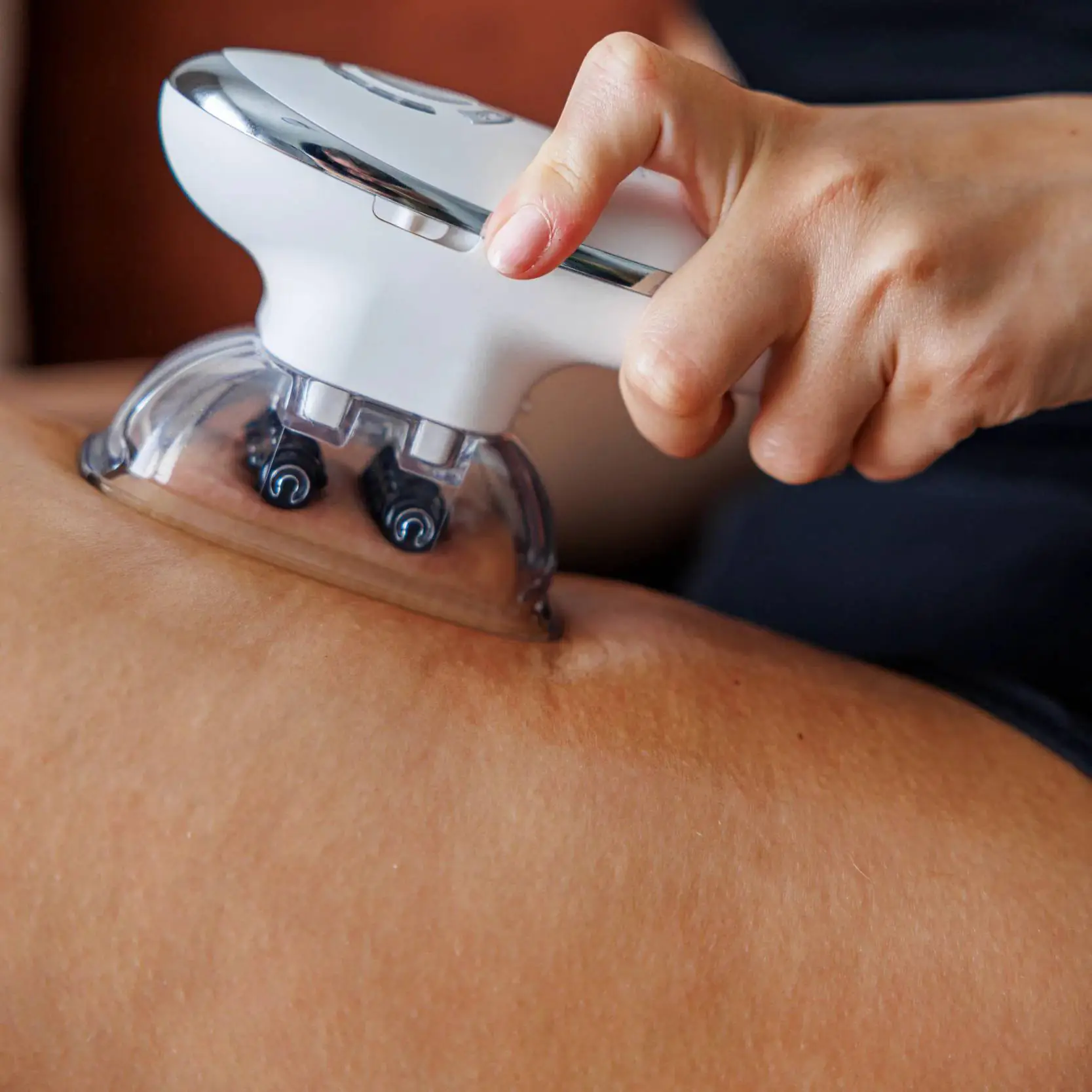
Cellulogia is a term that now appears in beauty, body care, and skin wellness content. It is often linked with vacuum massage, rolling massage, and other noninvasive methods used to make cellulite look less visible. The idea sounds technical, but the basic method is simple. A device lifts and moves the skin while rollers or massage heads work across the treated area.
Many people search for Cellulogia because they want smoother-looking skin without surgery. They may also want to know whether vacuum massage can firm loose-looking areas, improve circulation, or reduce dimples on the thighs and hips. These questions matter because cellulite is common and harmless. It can affect people at many body sizes and fitness levels.
This guide explains what Cellulogia means, how vacuum massage works, what happens during a session, and what results may be realistic. It also covers safety, treatment limits, aftercare, and other ways to support healthy-looking skin. The goal is not to promise perfect skin. It is to give clear facts so readers can make a better choice.
What Is Cellulogia?
Cellulogia is best understood as a modern beauty and wellness term. It is not a formal medical diagnosis. It also does not describe one fixed treatment used by every clinic. Different websites and providers may use the word in slightly different ways.
In many cases, the term refers to body treatments that focus on cellulite and skin texture. Vacuum massage is one of the methods most often linked with it. A machine uses controlled suction to lift the skin. Rollers or massage heads may then knead the tissue in a steady pattern.
The treatment is usually offered as a noninvasive option. This means it does not involve cuts, needles, or surgery. People often choose it because there is little or no recovery time. They can often return to normal daily tasks soon after a session.
Still, it helps to separate the name from the science. A stylish label does not prove that a method can remove cellulite. The real question is what type of device is used, how it works, and what evidence supports the claims made about it.
Understanding Cellulite Before Treatment
Cellulite is the dimpled or uneven look that often appears on the thighs, hips, buttocks, or lower stomach. Some people also notice it on the upper arms. It is very common, especially in women, and it is not a disease.
The look of cellulite comes from the way skin, fat, and connective tissue sit together. Fibrous bands under the skin can pull downward. Fat beneath the surface can push upward. This mix can create small dips, bumps, or an orange-peel texture.
Body weight is only one part of the picture. A thin or athletic person can still have cellulite. Genes, hormones, skin thickness, age, and tissue structure can all affect how visible it becomes. That is why losing weight does not always make it disappear.
It is also why one treatment cannot promise the same result for everyone. A person with mild dimpling may respond differently from someone with deeper skin depressions. Skin firmness also matters. Good treatment advice should start with this basic fact.
How Vacuum Massage Works
Vacuum massage uses suction to gently pull the skin into a treatment head. The device then moves over the body in controlled passes. Some systems combine suction with rollers. Others use cups or moving mechanical parts to create a kneading action.
This process changes the way the skin and soft tissue are handled for a short time. The pulling and rolling action can increase local blood flow. It can also move fluid through the tissue. After treatment, the area may look warmer, smoother, or slightly fuller because of these short-term changes.
The massage may also make the tissue feel softer. This can change how light reflects from the skin. When the surface looks more even, dimples may seem less clear. That effect can be useful for people who want a smoother look before an event or as part of a regular body-care routine.
However, vacuum massage does not simply “suck out” cellulite. It also does not remove the fibrous bands that help create deeper dimples. The method works mainly through mechanical movement of the skin and tissue, which helps explain why results may fade after treatments stop.
What Happens During a Cellulogia Session?
A session often begins with a short review of the treatment area. The provider may ask about skin sensitivity, bruising, recent procedures, medicines, or health issues. This check helps them decide whether vacuum massage is suitable and which suction level may be comfortable.
The person may wear a thin body suit with some roller-based systems. Other devices work directly on the skin with a cream or massage product. The provider moves the treatment head across the target zone using repeated strokes. Pressure can usually be changed during the session.
Most people describe the feeling as firm pulling, rolling, or deep massage. It should not feel sharply painful. Strong suction can feel intense, especially on tender areas. A skilled provider should adjust the settings if the skin becomes too sensitive.
The session length depends on the size and number of areas treated. Afterward, the skin may look pink or feel warm. Mild tenderness can also occur. There is usually no major downtime, but personal response can vary.
Can Cellulogia Reduce the Look of Cellulite?
The most realistic goal is an improvement in appearance, not total removal. Vacuum-and-roller massage has been studied for cellulite, but results have been mixed. Some people notice smoother-looking skin after a series of sessions. Others see little change.
When improvement does happen, it may come from several short-term effects. Massage can move fluid, increase local circulation, and temporarily change the way the tissue sits. The skin surface can then look a little more even. Regular sessions may help maintain that effect for some people.
The key word is temporary. Cellulite is linked with deeper tissue structure. Massage does not permanently remove those structures. Once regular treatment ends, the skin may slowly return toward its earlier appearance.
That does not mean the treatment has no value. A modest cosmetic change may still meet someone’s goal. The problem starts when marketing promises that vacuum massage can erase cellulite forever. A careful provider should set a more realistic target.
Does It Make the Skin Firmer?
Skin firmness depends on many things. Collagen, elastin, age, sun exposure, body changes, and genetics all play a part. Vacuum massage can make the skin feel tighter or smoother for a period, but that is not the same as permanent skin tightening.
Mechanical massage may stimulate the tissue and increase blood flow in the treated zone. This can give the skin a more refreshed look after a session. Swelling or fluid shifts can also change surface texture for a short time.
Some treatment claims say repeated mechanical stimulation boosts collagen or elastin. This idea is possible in certain device-based skin treatments, but the effect depends on the technology. Vacuum massage alone should not be treated as equal to proven energy-based skin tightening methods.
People with mild texture concerns may be happier with the result than those with major loose skin. If skin laxity is the main issue, a dermatologist or trained cosmetic clinician can explain other options that may fit the goal better.
Cellulogia and Lymphatic Drainage
Vacuum massage is often promoted as a way to support lymphatic drainage. The lymphatic system helps move fluid through the body. Gentle movement, muscle activity, and some forms of massage can affect local fluid movement.
After a body massage, some people feel less puffy. The skin may also look smoother when temporary fluid buildup decreases. This can make cellulite seem less visible for a short period. It may be one reason people like the look and feel of the skin after treatment.
However, claims about “removing toxins” should be viewed with care. The liver, kidneys, lungs, and other body systems already handle waste and normal detox functions. A vacuum massage device does not replace those organs.
It is better to describe the effect in simple terms. The massage may help move fluid and change tissue feel. That is different from saying it cleans harmful toxins from the body. Clear language helps people avoid misleading wellness claims.
How Many Sessions May Be Needed?
Vacuum massage is rarely sold as a one-session solution. Many providers suggest a series because visible change, when it occurs, often develops over repeated treatments. The exact number can vary based on the device, skin, treatment area, and personal goals.
This is where people should be careful with fixed promises. There is no universal session count that guarantees smooth skin. One person may notice a small change early. Another may complete several sessions and decide the difference is too small.
Maintenance can also matter. Research and clinical guidance on vacuum-style cellulite massage suggest that improvements may not last once treatment stops. Some users therefore choose follow-up sessions to preserve the look they prefer.
Before buying a large package, it may help to start with a smaller plan. Take photos in the same light and position. Compare the skin over time. This makes it easier to judge whether the treatment is worth the cost for you.
What Results Should You Expect?
The best expectation is a subtle change in texture. Skin may look smoother, less puffy, or more even. The treated area may also feel softer after massage. These effects can be more noticeable in some people than others.
Do not expect a major drop in body fat from vacuum massage. Cellulite and body fat are related in some ways, but they are not the same problem. A person can lose fat and still have cellulite. A person can also have cellulite at a healthy weight.
Do not expect permanent cellulite removal either. Even stronger medical treatments may not produce lifelong results. The tissue that creates cellulite is complex, and the skin continues to change with age, hormones, weight shifts, and daily life.
A good before-and-after comparison should use the same lighting, pose, distance, and skin condition. Harsh side lighting can make dimples look deeper. Soft front lighting can hide them. Consistent photos give a fairer view of real change.
Possible Side Effects and Safety
Vacuum massage is noninvasive, but it can still affect the skin and tissue. Mild redness is common after strong massage. Some people may also notice tenderness, temporary swelling, or small bruises.
Higher suction is not always better. Too much pressure can cause more discomfort and bruising without giving a better result. The treatment should feel controlled. Pain, strong burning, or skin injury is a reason to stop and reassess.
People who bruise easily or take medicines that affect bleeding should speak with a qualified health professional before treatment. The same caution applies after surgery or other cosmetic procedures. The treated tissue may need time to heal before strong massage is safe.
Pregnancy, active infection, inflamed skin, open wounds, and some blood vessel or circulation problems may also change whether treatment is suitable. Because devices and personal health needs differ, a proper screening is safer than relying on a general online checklist.
Who May Be a Good Candidate?
A good candidate is usually someone with realistic cosmetic goals. They may have mild or moderate cellulite and want a noninvasive option. They should understand that the treatment may soften the look of dimples rather than remove them.
The person should also be comfortable with repeated sessions. Vacuum massage often makes more sense as a maintenance-based beauty treatment than as a permanent fix. Time and cost should therefore be part of the decision.
People who expect fat loss, major body reshaping, or dramatic skin tightening may be disappointed. Those goals may require a different approach. A consultation can help separate cellulite, loose skin, swelling, and excess fat because each concern may need different care.
A provider should also discuss medical history before starting. If there is a health concern, a doctor may need to give advice first. Cosmetic treatment should never be more important than basic safety.
Cellulogia vs Other Cellulite Treatments
Vacuum massage is only one option for people who want to reduce the look of cellulite. Other methods include acoustic wave therapy, laser-based procedures, radiofrequency treatments, and techniques that release fibrous bands under the skin.
These options do not all work in the same way. Some focus on tissue heating. Some target connective bands. Others aim to change skin thickness or texture. Results, cost, risk, and recovery time can differ widely.
Vacuum massage has the advantage of being noninvasive and usually requiring little downtime. It may also feel relaxing once a person becomes used to the suction. The tradeoff is that visible results can be limited or short-lived.
A dermatologist can be useful when cellulite is deep or when a person wants a stronger result. A medical professional can explain which treatments have better evidence for the exact type of dimpling. This can prevent spending money on a method that does not match the problem.
How to Choose a Safe Provider
Start by asking what device the provider uses. “Cellulogia” alone does not tell you enough. A clinic should be able to explain the machine, how suction levels are controlled, and why the treatment may fit your skin concern.
Ask who performs the session and what training they have. The provider should know when not to treat an area. They should also ask about bruising, skin problems, recent procedures, and relevant health conditions before using strong suction.
Be careful with guaranteed results. No responsible provider can promise that every person will lose cellulite or keep the result forever. Before-and-after photos can be useful, but they should use similar lighting and body positions.
Price also deserves attention. A low session price can become expensive if many treatments and maintenance visits are needed. Ask for the full likely cost before agreeing to a package. Clear pricing makes it easier to compare options fairly.
Aftercare and Ways to Protect Your Skin
After a session, treat the area gently. Avoid hard rubbing if the skin feels sore. A basic moisturizer may help if the surface feels dry or tight. Follow the provider’s device-specific aftercare instructions.
Normal hydration is useful for general health, but drinking huge amounts of water will not wash cellulite away. There is no need for extreme “detox” plans after treatment. Eat and drink normally unless a health professional gives different advice.
If bruising appears, allow it to settle before another strong session. Repeated suction on sore tissue may make irritation worse. Tell the provider about any unusual reaction before the next visit.
Seek medical advice if there is severe pain, major swelling, skin damage, signs of infection, or a reaction that does not improve. These problems are not expected goals of cosmetic massage. Safety should come before finishing a prepaid treatment plan.
Final Thoughts
Cellulogia refers to cellulite-focused care using vacuum massage and mechanical rolling to make skin texture look smoother for a time.
The treatment is not a cure for cellulite. It cannot promise permanent results, and it should not be confused with fat removal. Research on vacuum-style massage has shown mixed results, with improvements often described as limited or temporary.
For the right person, the method can still have a place in a body-care routine. The key is to choose it for the correct reason. Aim for a modest cosmetic change, not a perfect body or a medical result.
Healthy skin care, regular movement, sun protection, and realistic expectations remain useful alongside any cosmetic treatment. If deeper cellulite or loose skin is a major concern, a dermatologist or trained medical professional can explain other evidence-based options.
Frequently Asked Questions
What is Cellulogia used for?
Cellulogia is mainly used as a beauty term for methods that aim to improve the look of cellulite and uneven skin texture. It is often linked with vacuum-and-roller massage. The treatment may make the skin look smoother for a period, but it should not be described as a permanent cure.
Does Cellulogia remove cellulite permanently?
No treatment should promise permanent cellulite removal through vacuum massage alone. Mechanical massage may create a temporary improvement in skin texture. Cellulite can become visible again after sessions stop because the underlying connective tissue structure remains.
Is vacuum massage painful?
It can feel firm, but it should not cause sharp pain. The suction level can often be adjusted. Mild redness or tenderness may happen after treatment. Strong bruising, severe pain, or skin injury means the pressure may be too high or the treatment may not be suitable.
How soon can you see results?
Some people notice a smoother or less puffy look after early sessions. More visible change, if it happens, may take repeated treatments. Results vary from person to person. Consistent before-and-after photos are a better way to judge change than memory alone.
Can Cellulogia help with weight loss?
Cellulogia should not be used as a weight-loss treatment. Vacuum massage works on skin and soft tissue movement. It does not replace a balanced diet, physical activity, or medical care for weight management. Cellulite can also remain visible even after weight loss.

What is EO PIS? Read About Enterprise Operations Process Information System

Nimedes: A Complete Guide to the Unified Digital Workspace

Read All About Eugenia Jones: The Wife of Jerry Jones

All About Kristi Betts, The Life, Career, and Family Story of Chad Gable’s Wife

How Nicholas D’Agosto & Andrea Bricco Hooked Up: Their Love Story

Luca Celico Leite: Inside the Life of the Young Football Talent Following Kaká’s Legacy
-
 Entertainment3 months ago
All About Kristi Betts, The Life, Career, and Family Story of Chad Gable’s Wife
-
 Celebrity2 months ago
How Nicholas D’Agosto & Andrea Bricco Hooked Up: Their Love Story
-
 Celebrity2 months ago
Luca Celico Leite: Inside the Life of the Young Football Talent Following Kaká’s Legacy
-

 Entertainment2 months ago
Hudson Rechsteiner: Inside the Private Life of Rick Steiner’s Son and Brother of WWE Star Bron Breakker
-

 Celebrity2 months ago
Who Is Randy Fields? All About Debbi Fields’ Ex-Husband and Business Partner
-

 Celebrity2 months ago
The Untold Story of Zachary Knighton’s Ex-Wife: Everything About Hang Knighton and Private Family Life
-

 Sports2 months ago
Justin Tupper Biography: Net Worth, Family, Career, and Life With Torrie Wilson
-

 Entertainment3 months ago
Who Is Micah Diamond? Why Neil Diamond’s Son Chose Privacy Over Fame